Dental Treatment During Pregnancy: What Is Safe?
Many pregnant women avoid the dentist out of fear — but skipping dental care can actually harm both mother and baby. Dr. Khanak Jain explains which treatments are safe, which to postpone, and what every expectant mother should tell her dentist.
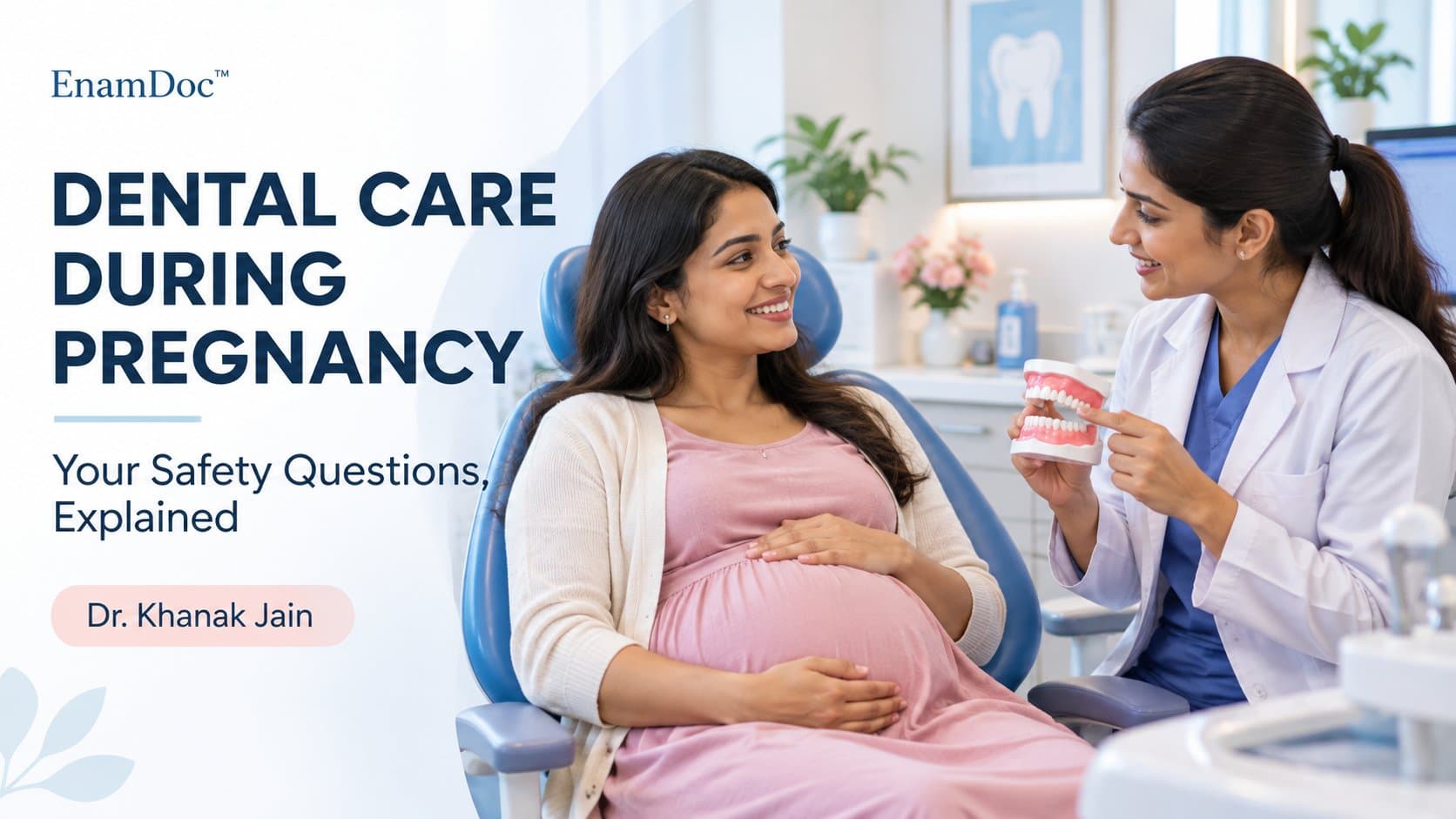
Pregnancy is a time when many women suddenly become hyperaware of everything that goes into — or near — their bodies. So it's no surprise that the dentist's chair feels like a minefield. X-rays? Anaesthesia? Drilling? It can seem like a lot of risk at a time when you're determined to protect your baby at all costs.
But here's what the evidence actually says: avoiding dental care during pregnancy is often riskier than getting it. Dr. Khanak Jain explains exactly what's safe, what's not, and what to tell your dentist the moment you find out you're pregnant.
Why Dental Care Matters More During Pregnancy
Pregnancy hormones — specifically the surge in oestrogen and progesterone — change the way your gums respond to plaque. The result is a condition called pregnancy gingivitis, which affects roughly 60–75% of pregnant women. Signs include swollen, bleeding gums, increased sensitivity, and in some cases painful gum overgrowths called pregnancy epulis.
Left untreated, gingivitis can progress to periodontitis — a serious infection that damages the bone and ligaments supporting your teeth. Research has linked untreated periodontitis to increased risks of preterm birth and low birth weight, though the exact causal relationship is still being studied. The point is: healthy gums during pregnancy matter, both for your smile and potentially for your baby.
Treatments That Are Safe During Pregnancy
The following dental procedures are considered safe at any stage of pregnancy:
- Routine check-ups and cleaning: These are not just safe — they're recommended. Your dentist will monitor for pregnancy gingivitis and keep plaque levels low.
- Fillings and crowns for active decay: Untreated cavities are a source of ongoing infection. Treating them is safer than leaving them.
- Emergency treatment: Toothaches, abscesses, or broken teeth should never be ignored during pregnancy. Pain and infection create stress hormones that can affect your baby more than the treatment itself.
- Local anaesthesia (lidocaine): Modern local anaesthetics are safe in pregnancy. Many dentists use formulations without adrenaline (epinephrine) when possible, particularly in the first trimester.
- Antibiotics (when necessary): Amoxicillin, penicillin, and clindamycin are considered safe. Always inform your dentist you are pregnant before any prescription is written.
Treatments to Postpone If Possible
- Elective procedures: Teeth whitening, veneers, and purely cosmetic work should wait until after delivery and breastfeeding.
- Dental X-rays: Routine X-rays are best postponed unless clinically necessary. When an X-ray is genuinely needed, a lead apron covering your abdomen keeps radiation exposure to your baby essentially zero.
- Dental implants and bone grafts: These are elective surgeries best deferred until after pregnancy.
- General anaesthesia: Unless it's a genuine emergency, procedures requiring general anaesthesia should be planned after delivery.
The Safest Trimester for Dental Work
The second trimester (weeks 14–28) is generally considered the safest window for routine dental treatment. By this point, the major organ development of the first trimester is complete, and the discomfort and positioning challenges of the third trimester have not yet fully set in.
That said, true dental emergencies — abscesses, severe toothache, broken teeth — should be treated regardless of trimester. The risk of untreated oral infection to both mother and baby outweighs the minimal risk of dental treatment.
What to Tell Your Dentist
Before any appointment during pregnancy, tell your dentist:
- How many weeks pregnant you are
- Your OB-GYN or gynaecologist's name and contact
- Any medications or supplements you are taking
- Any pregnancy complications (like gestational diabetes or hypertension)
A good dentist will check with your obstetrician for complex cases before proceeding.
Home Care During Pregnancy
Good home care is more important than ever during pregnancy. Brush twice daily with a fluoride toothpaste, floss once a day, and rinse with a fluoride or antiseptic mouthwash if your dentist recommends one. If morning sickness causes vomiting, rinse with water or a fluoride rinse immediately — don't brush right away, as the acid softens enamel and brushing can cause erosion.
The Bottom Line
The dentist is not a place to avoid when you're pregnant. It's a place to visit regularly. Communicate openly with your dental team, and don't hesitate to consult platforms like EnamDoc to find dentists experienced in managing pregnant patients and to keep your dental records updated in one place.
Always discuss your specific situation with both your dentist and your obstetrician before any treatment decision.
Frequently asked
Frequently asked questions
Is it safe to get a dental X-ray during pregnancy?
Routine X-rays are best postponed if possible. However, when a dental X-ray is genuinely necessary — for diagnosing an abscess or tracking a serious problem — it is safe with a lead apron over your abdomen. Modern digital X-rays use very low radiation. Discuss necessity with both your dentist and your OB-GYN.
What should I do if I get a toothache during pregnancy?
Don't ignore it — dental infections can be dangerous during pregnancy. Contact your dentist immediately. Infections left untreated can spread and may create complications. Most emergency dental treatments, including local anaesthesia and safe antibiotics, can be performed during the second trimester with your obstetrician's input.
- dental treatment pregnancy
- pregnancy dental care
- safe dentistry pregnancy
- x-ray pregnancy dental
Keep reading