Most dental information online is either written for clinicians or written to sell you something. These guides are neither. They explain what a symptom usually means, what a treatment actually involves, what it tends to cost in India, and — importantly — when something can wait and when it cannot.
Where a guide covers a symptom, it tells you the warning signs that mean you should be seen today rather than next week. Where it covers cost, the figures come from dentists on our own network rather than from somewhere else on the internet.
None of it replaces an examination. All of it should help you ask better questions when you have one.
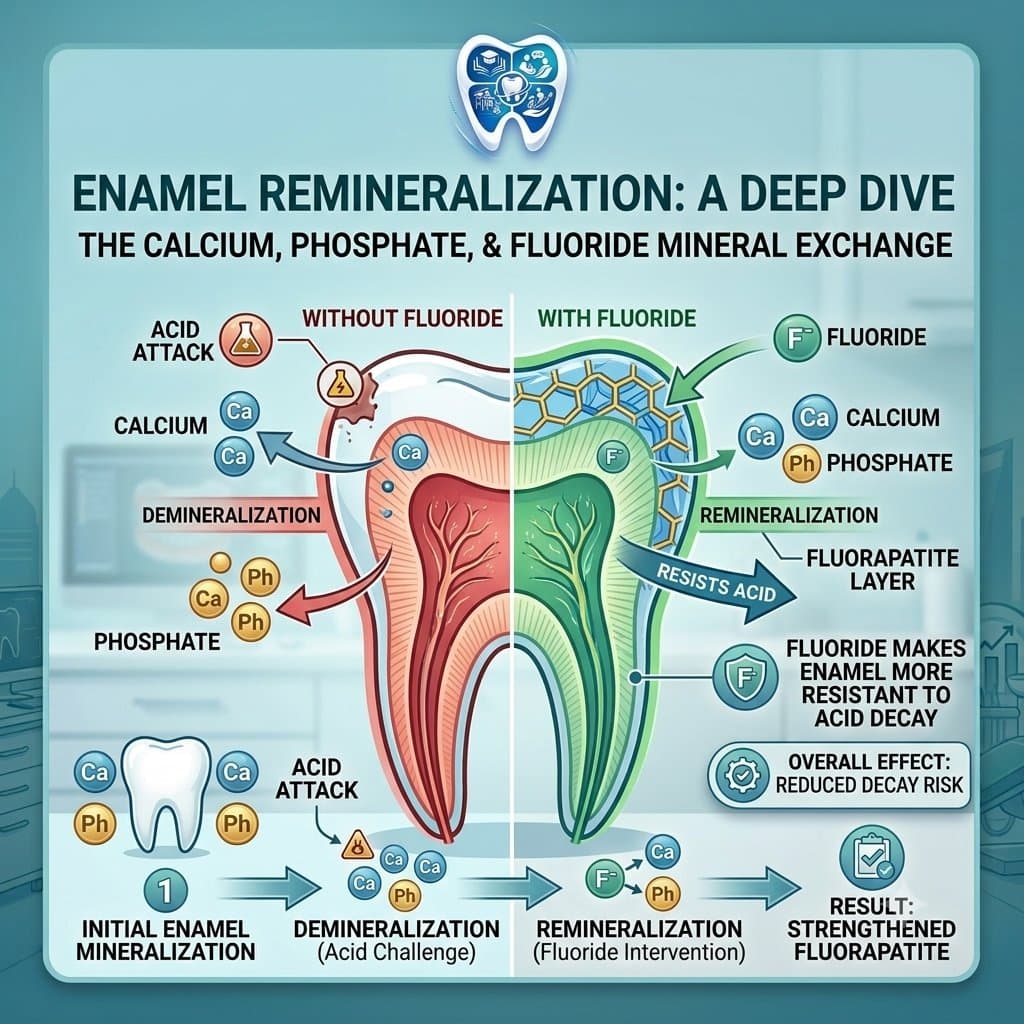
Online claims label fluoride as toxic, while dentists call it fundamental cavity protection. Here is the science behind remineralization, systemic doses, and safety.
For a knocked-out tooth, what you do in the first ten minutes matters more than how fast you find a dentist. Here is the list worth reading before you need it.
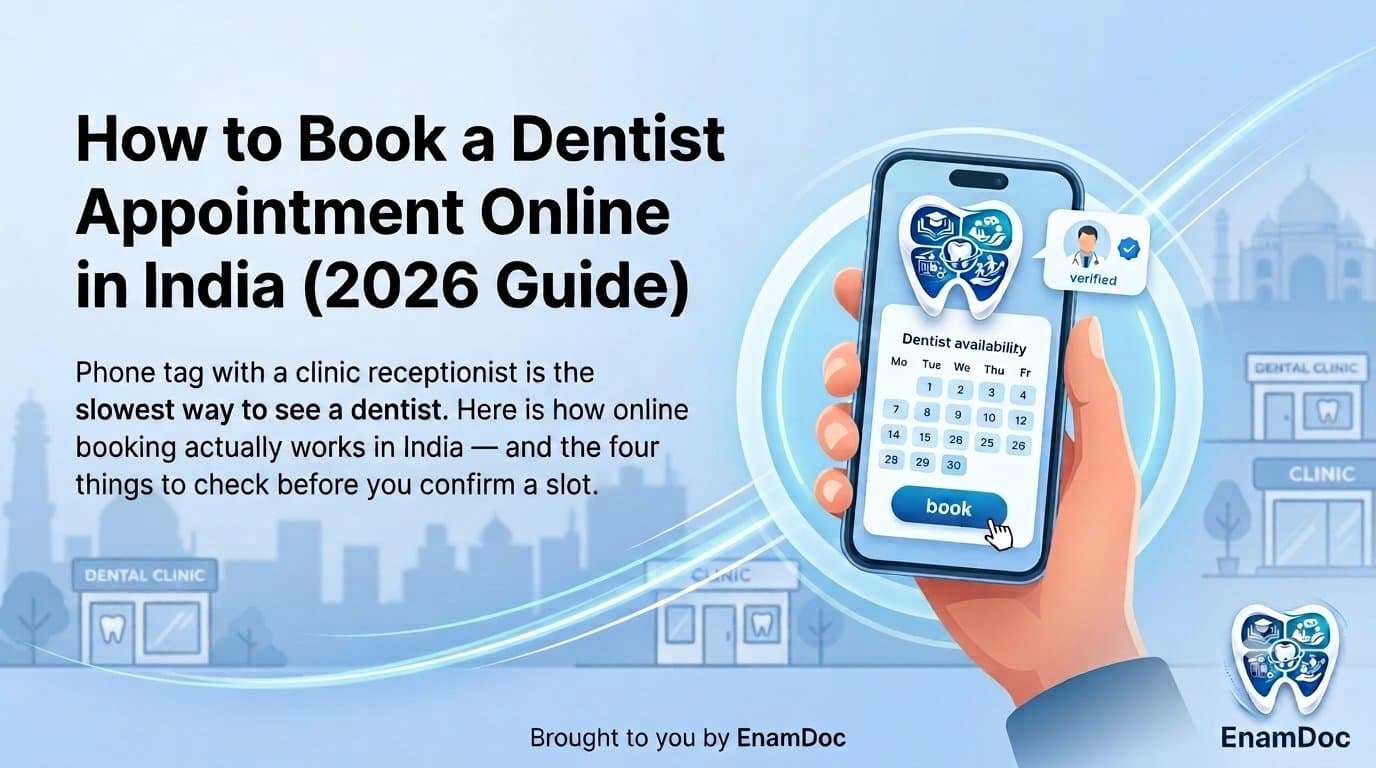
Phone tag with a clinic receptionist is the slowest way to see a dentist. Here is how online booking actually works in India — and the four things to check before you confirm a slot.
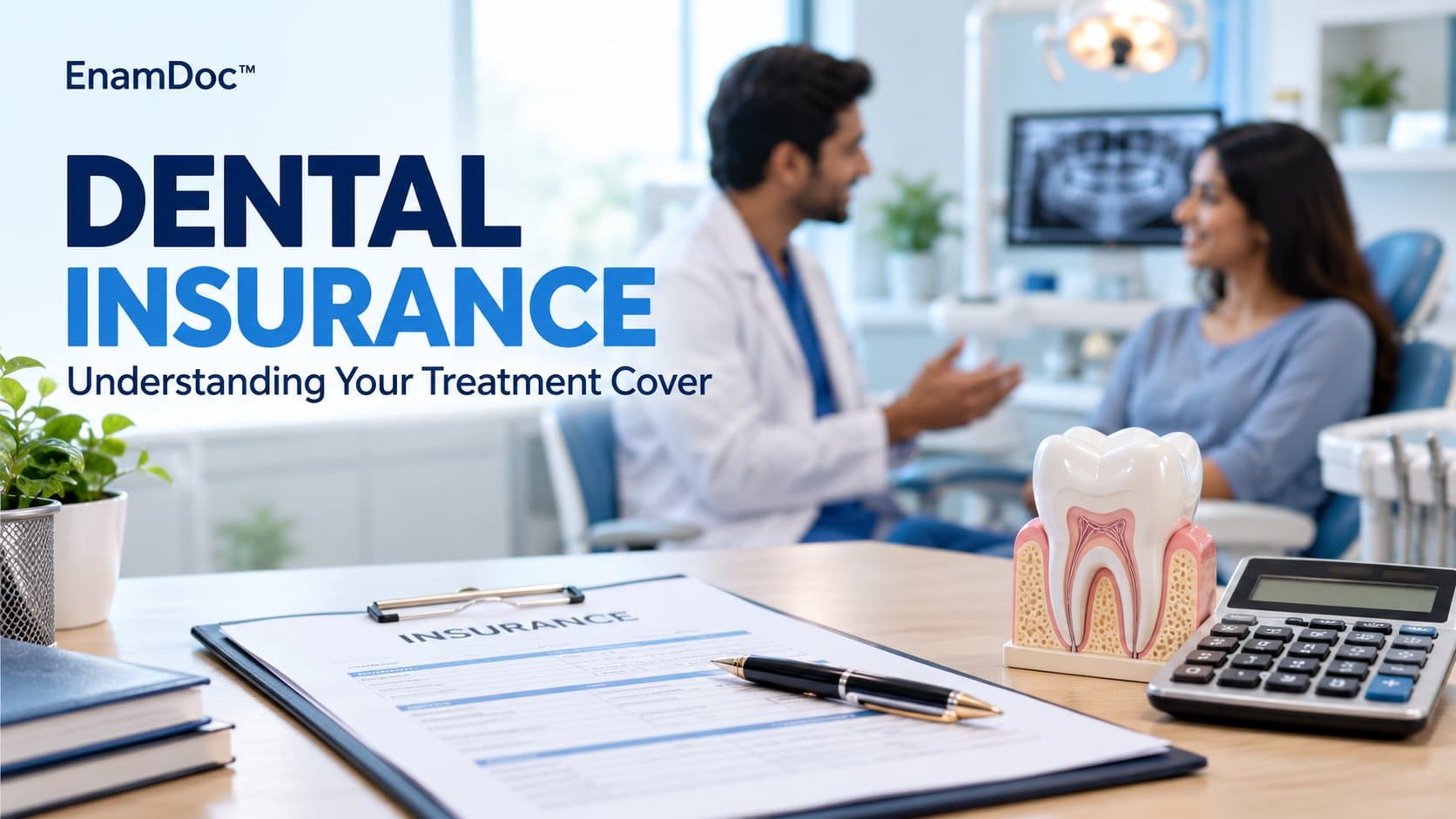
Most Indian health insurance policies don't cover dental treatment at all. This guide explains what coverage actually exists, what's typically excluded, how cashless claims work when available, and practical ways to manage dental costs without dedicated insurance.
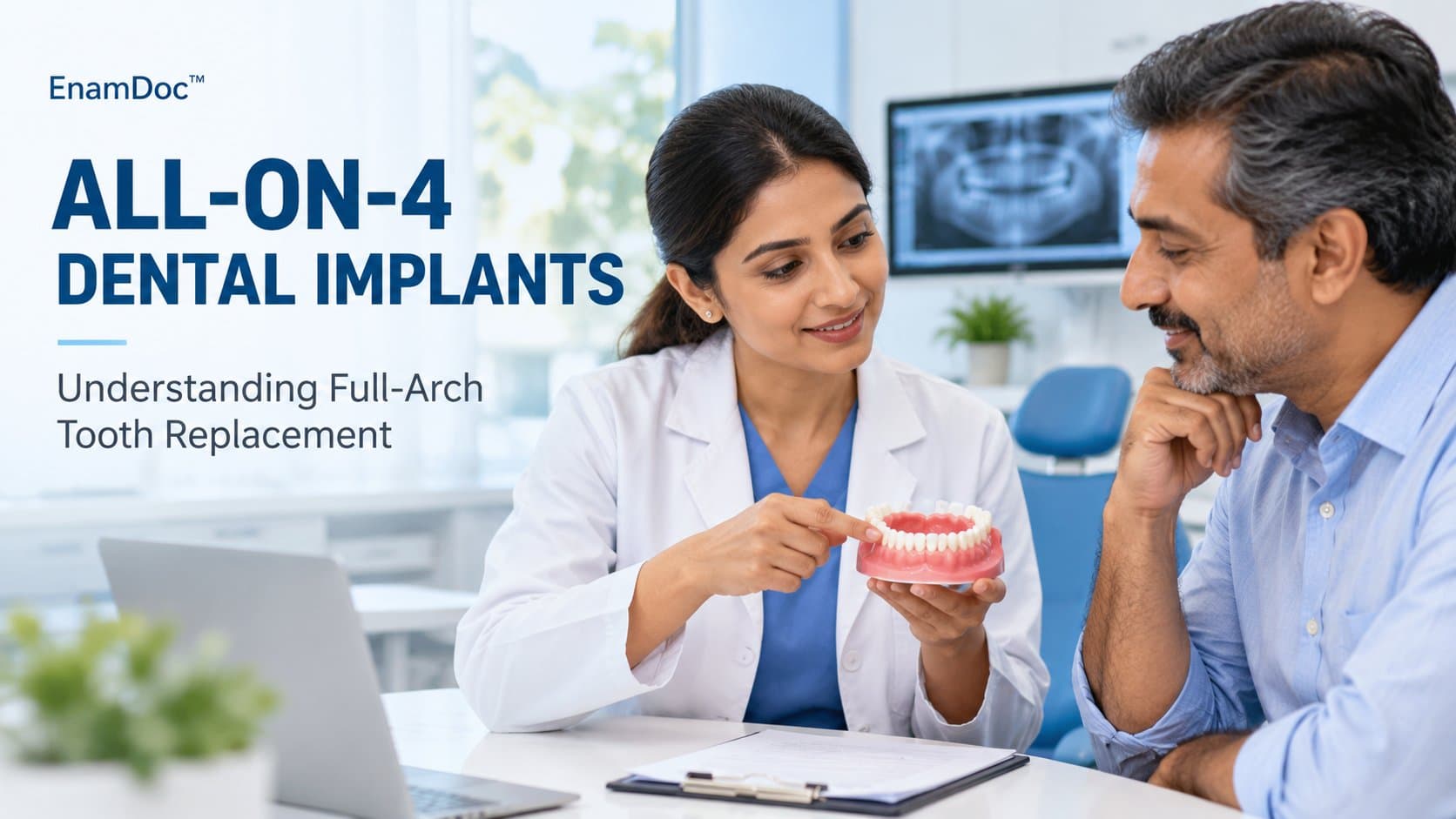
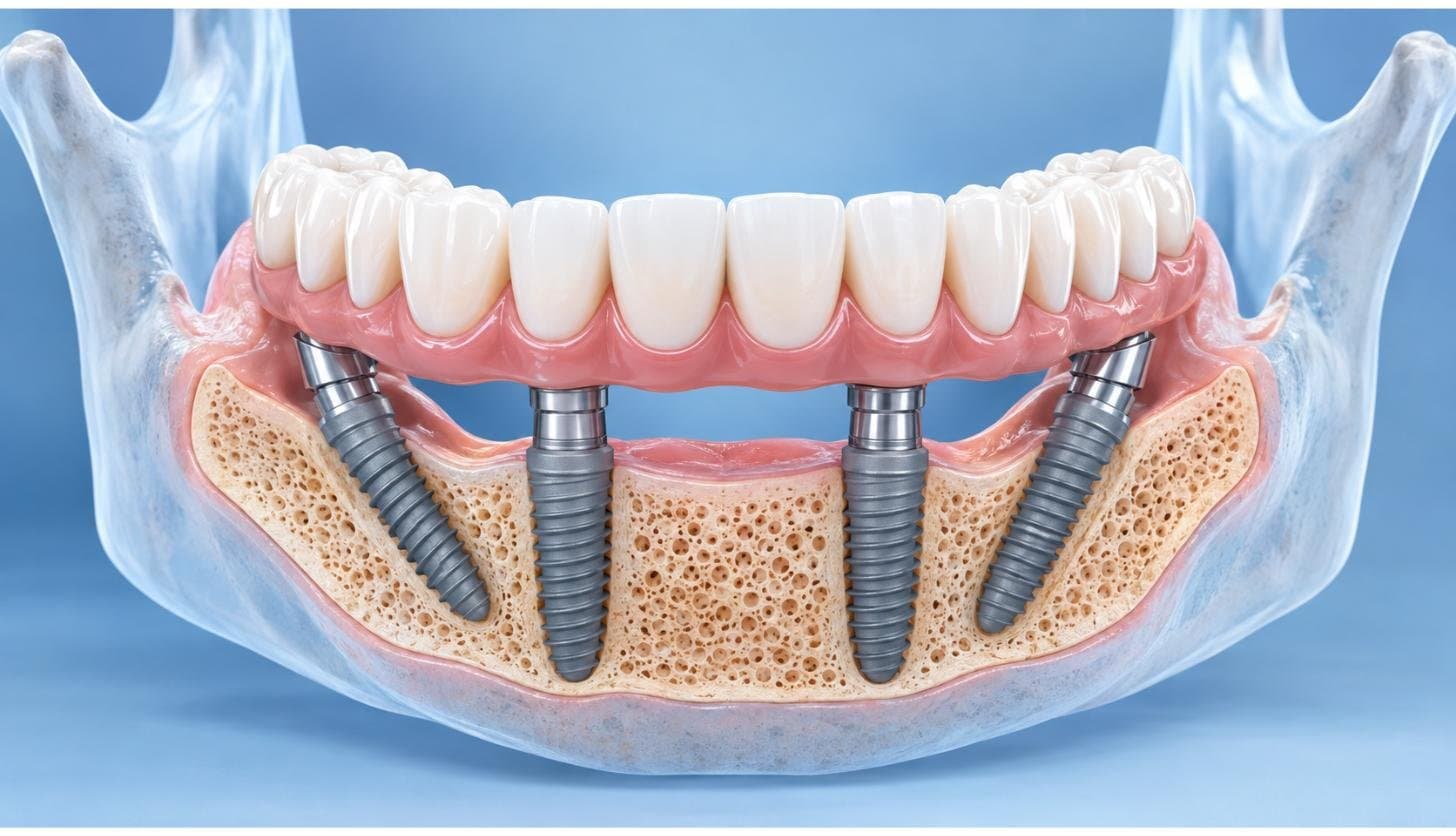
All-on-4 dental implants offer a way to replace an entire arch of missing teeth using just four strategically placed implants. This guide explains what the procedure involves, who it's right for, and what it realistically costs at Indian dental clinics.
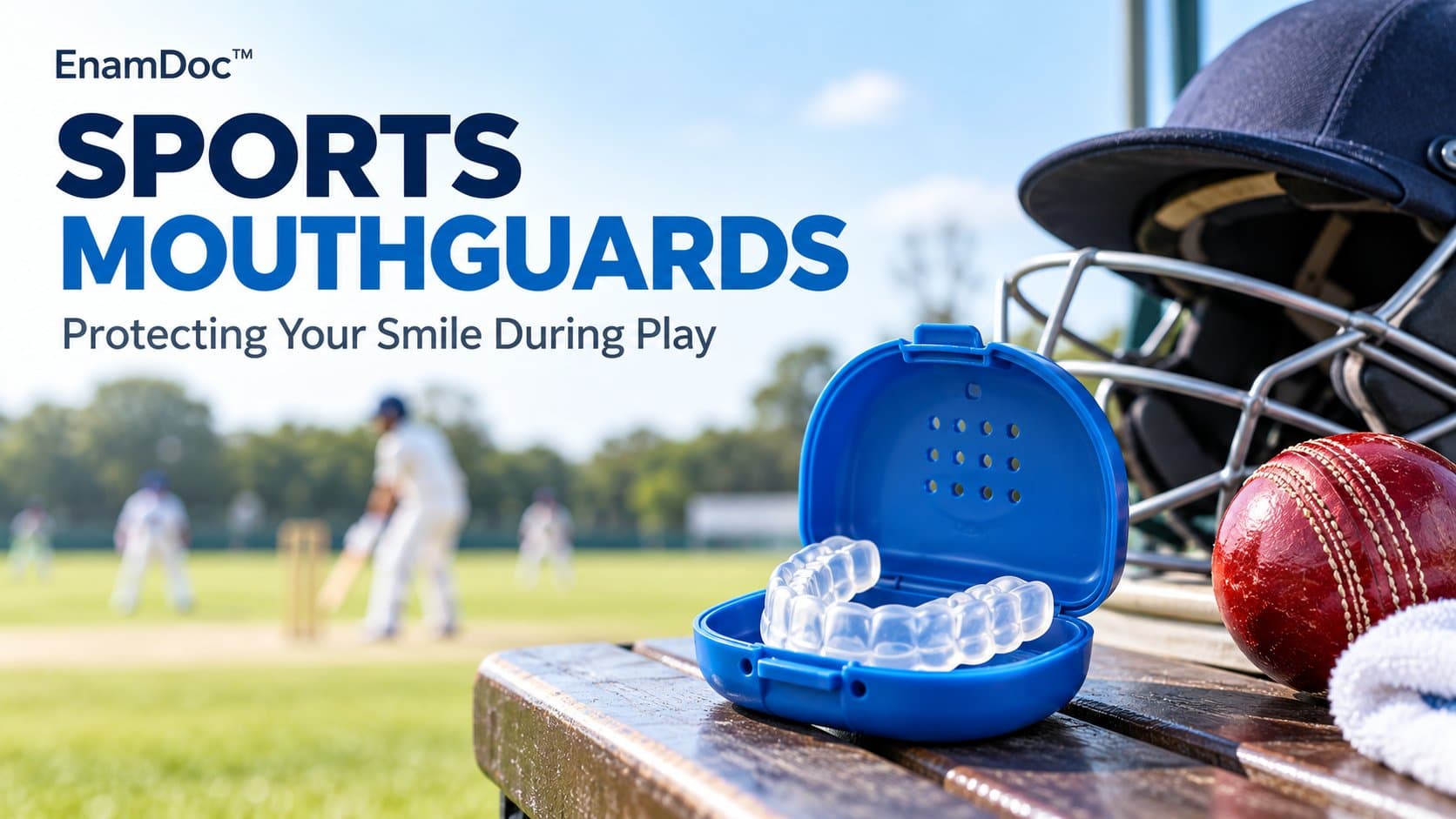
Thinking about a sports mouthguard for yourself or your child? Learn which sports carry the highest dental injury risk, what a custom mouthguard protects against, and why dentist-made guards are worth the cost.
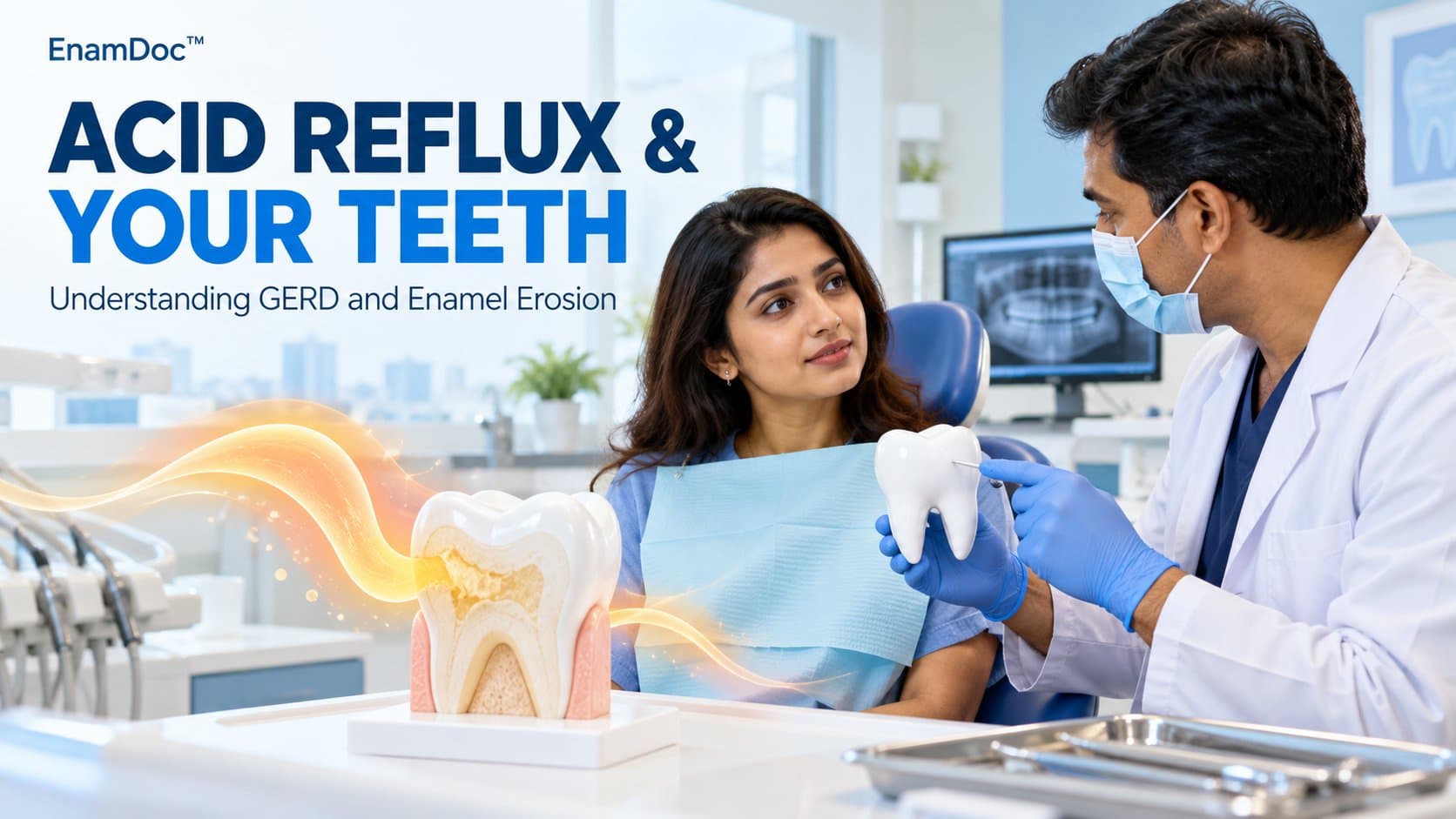
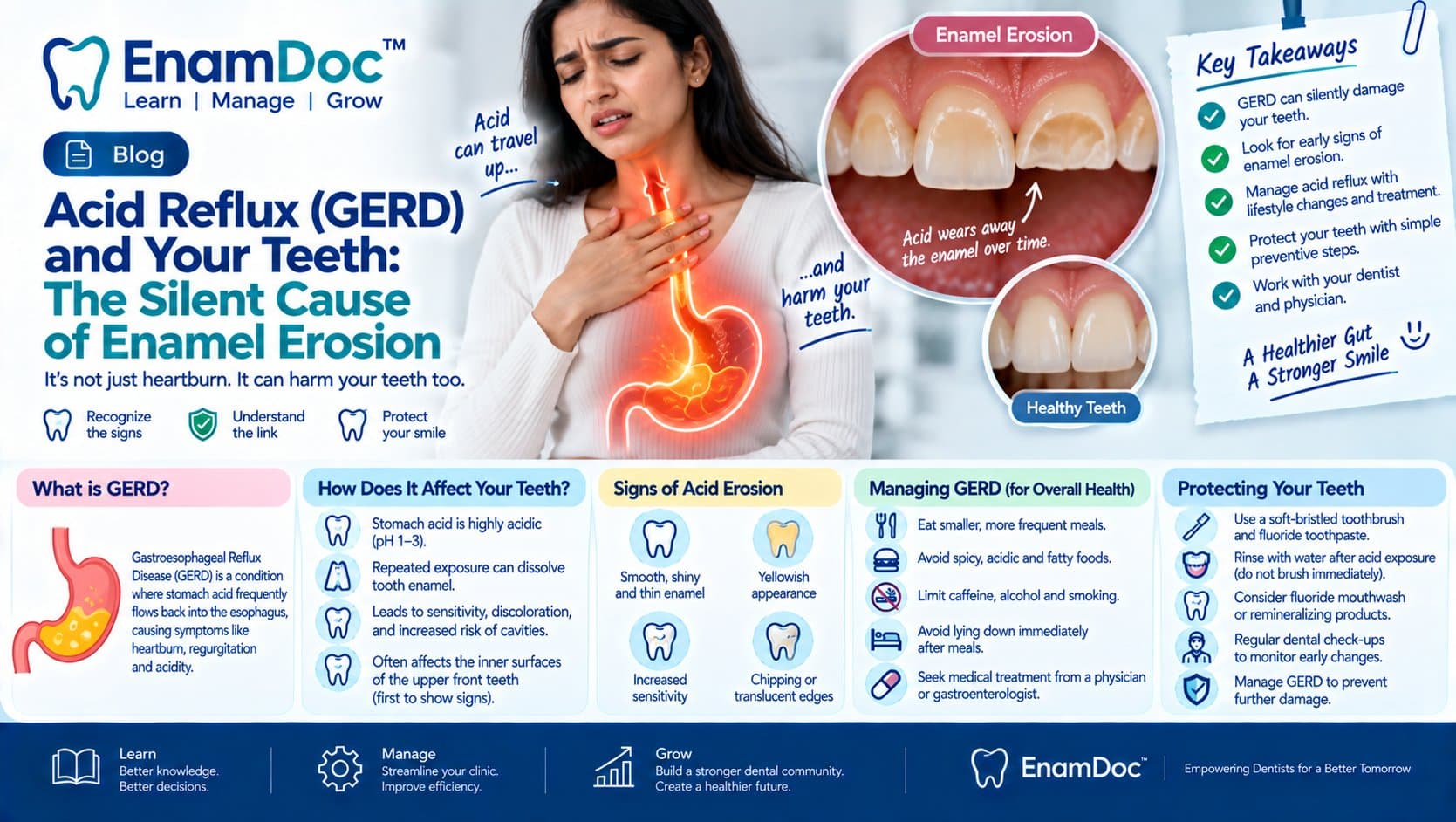
If you have acid reflux or GERD, your teeth may be silently eroding. Learn the warning signs, how dental erosion differs from decay, and how to protect your enamel.
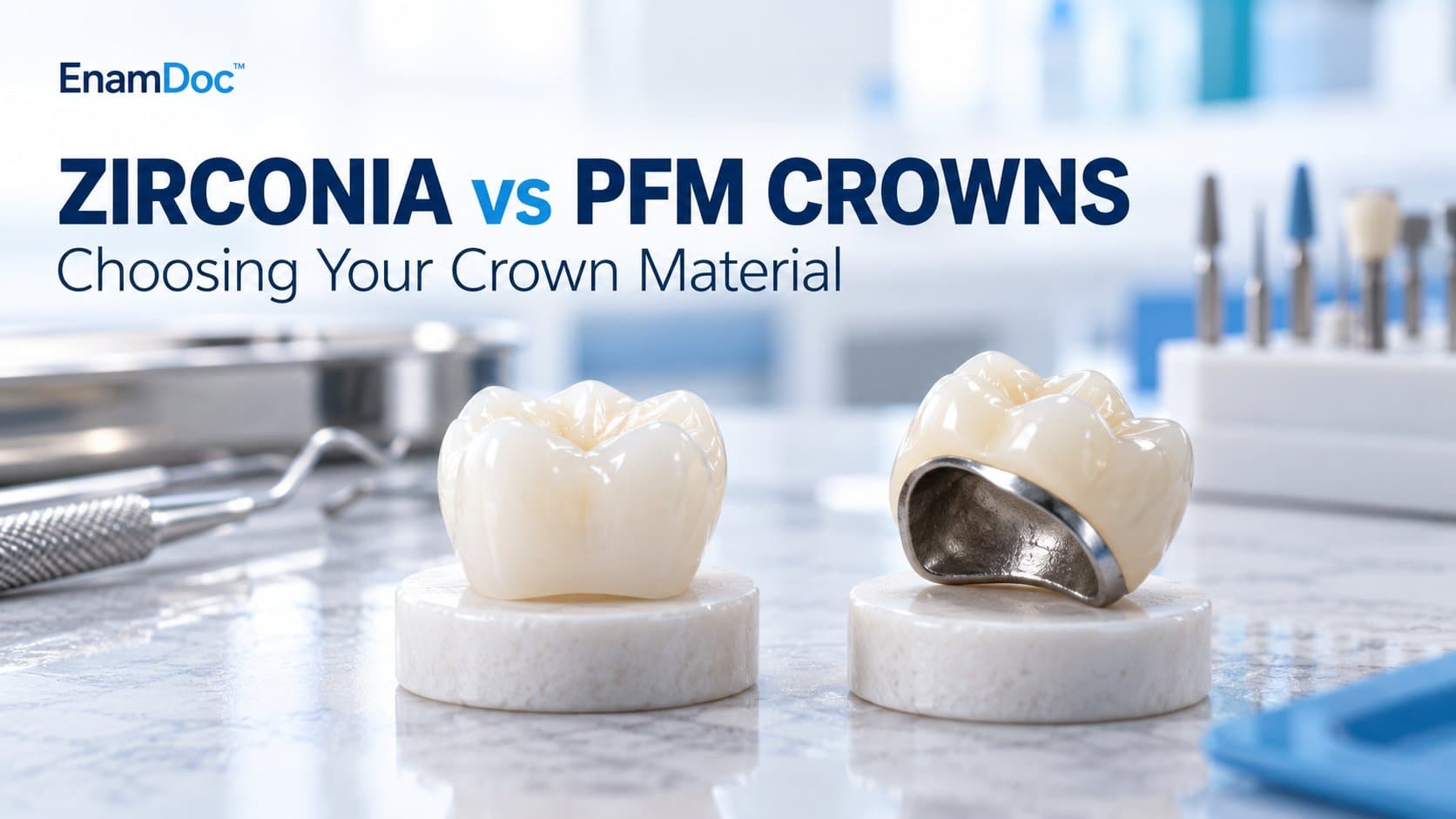
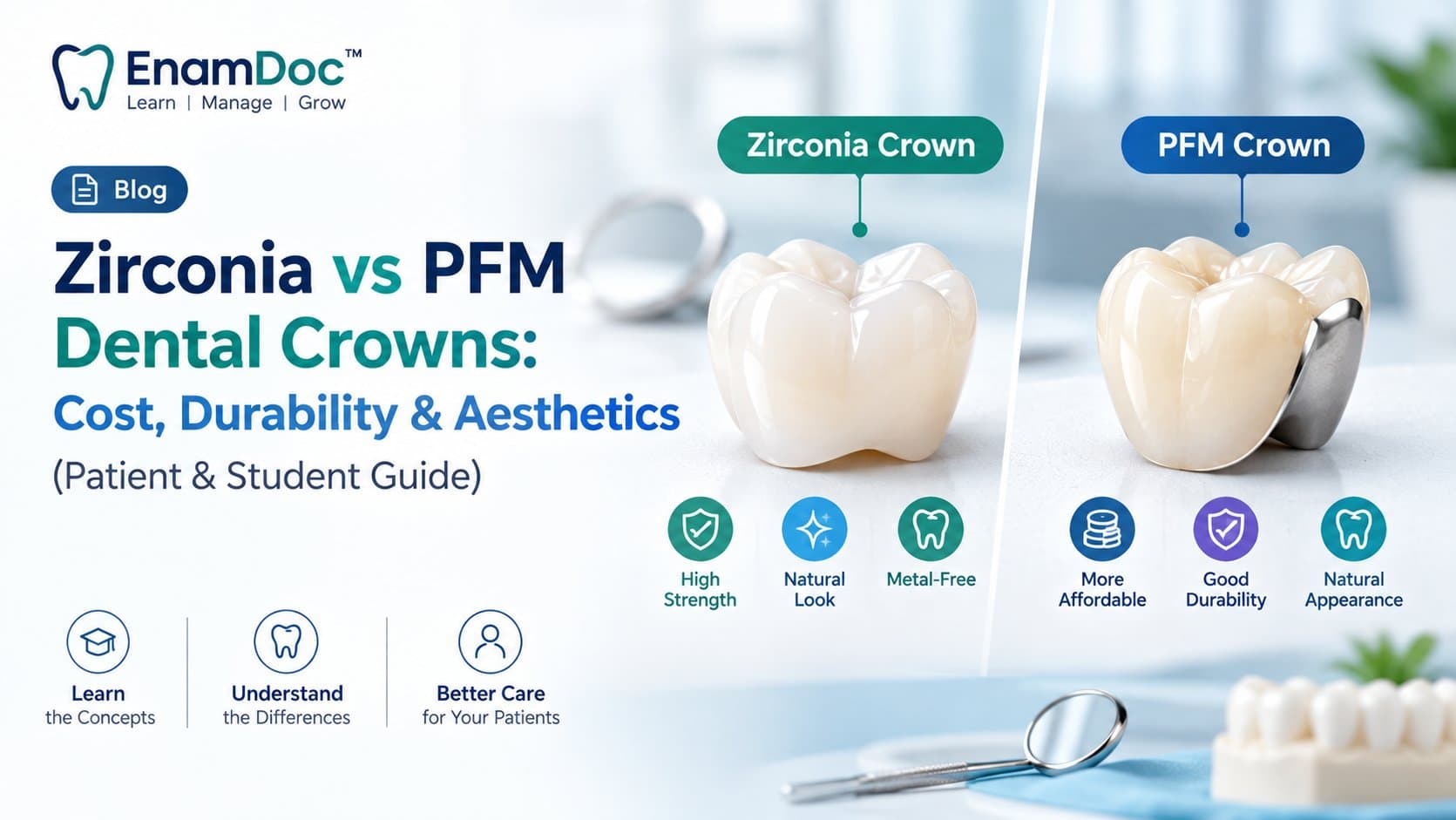
Your dentist recommends a crown — but which material should you choose? Dr. Aditya Swami compares zirconia and PFM crowns on strength, aesthetics, cost, and longevity so you can make an informed decision.
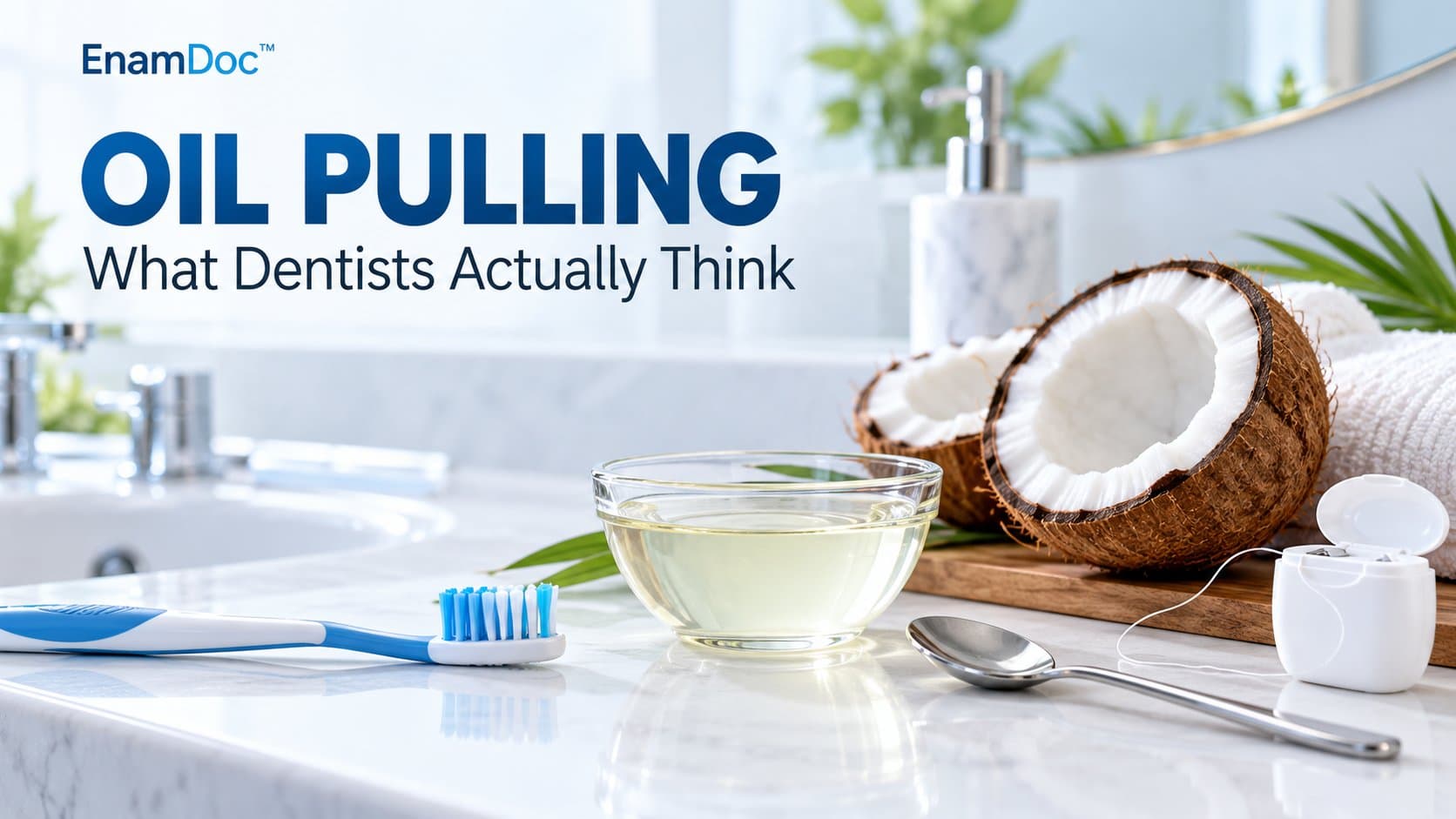
Oil pulling is one of the most searched oral health topics in India. Dr. Khanak Jain cuts through the claims to give you a clear, evidence-based view of what it actually does — and what it doesn't.
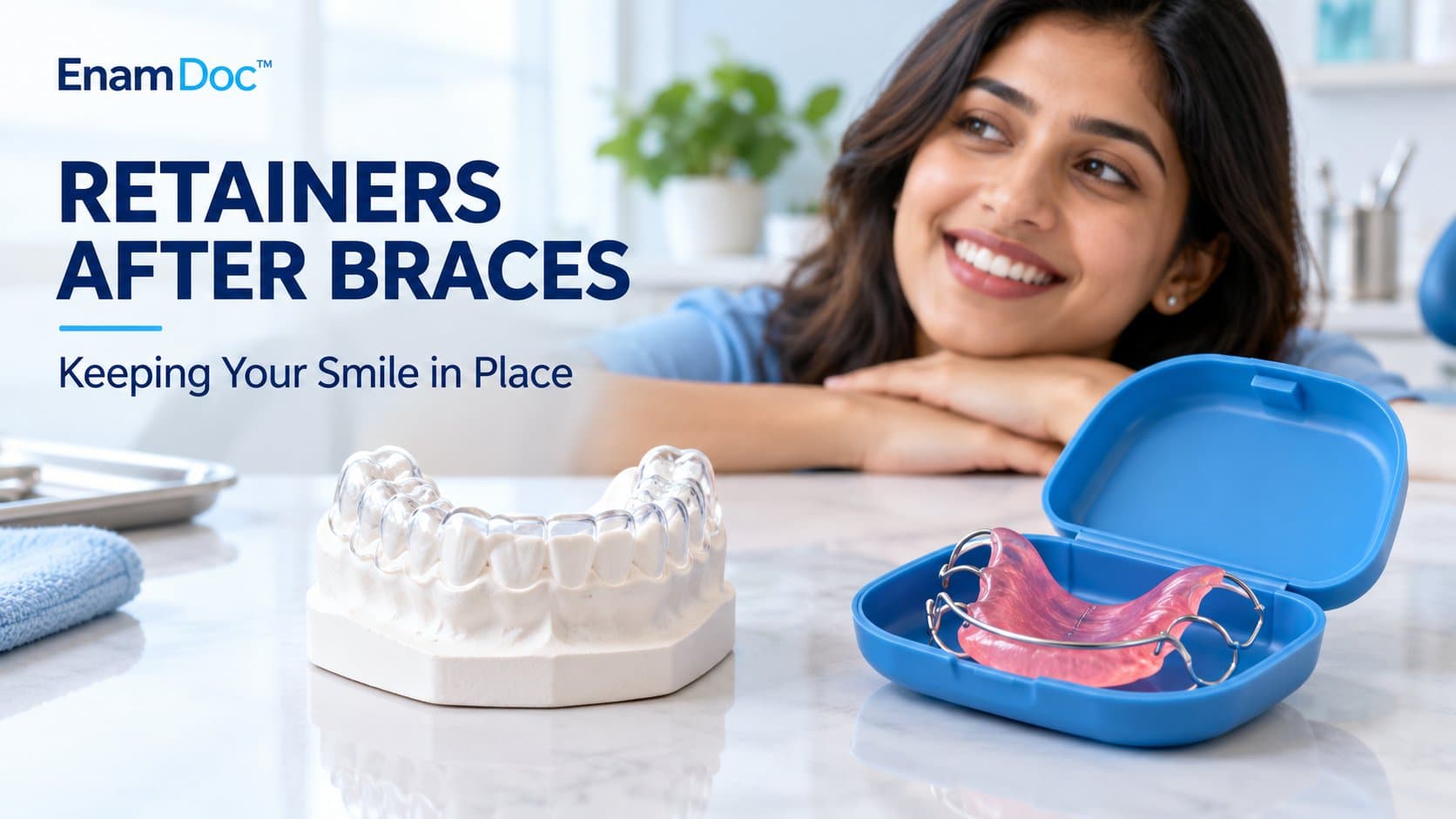
The day your braces come off or your Invisalign completes is exciting — but the treatment is not finished. Dr. Aditya Swami explains why retainers are the most important stage of orthodontic treatment and exactly what happens when patients skip them.
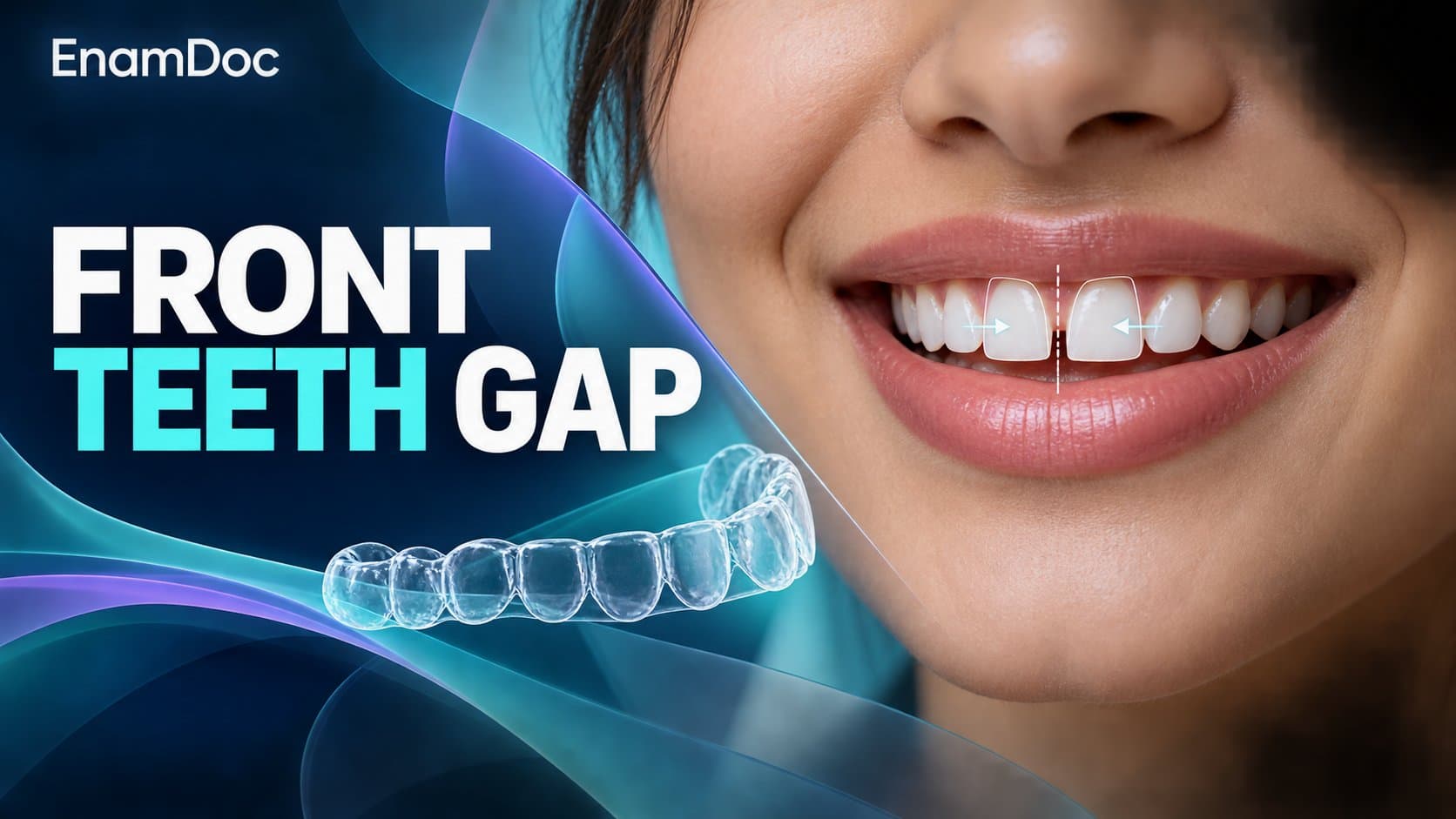
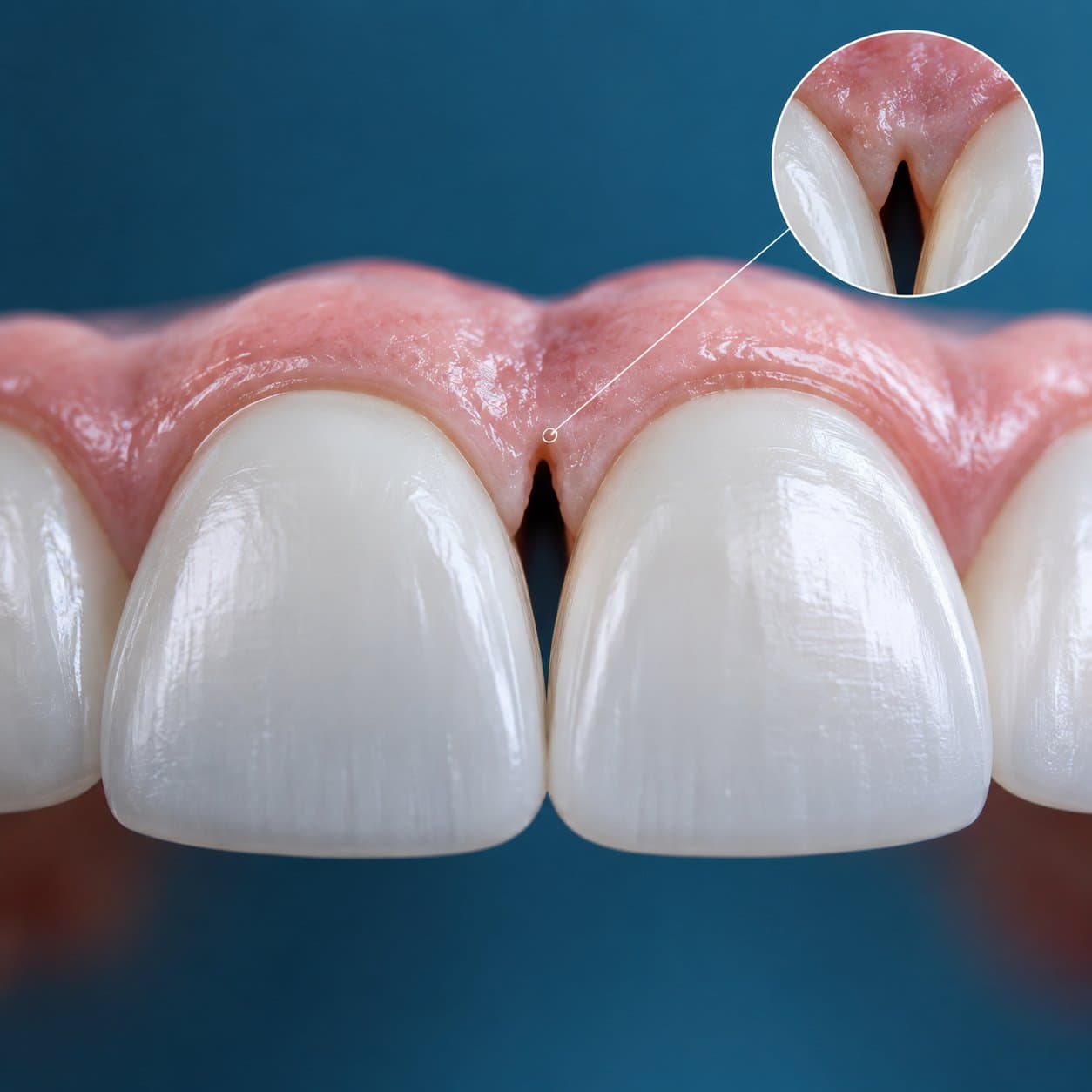
A gap between the front teeth is one of the most commonly asked about dental features in India. Dr. Khanak Jain explains why it happens, when it is a health concern versus a cosmetic choice, and all the ways a dentist can close it — or leave it.
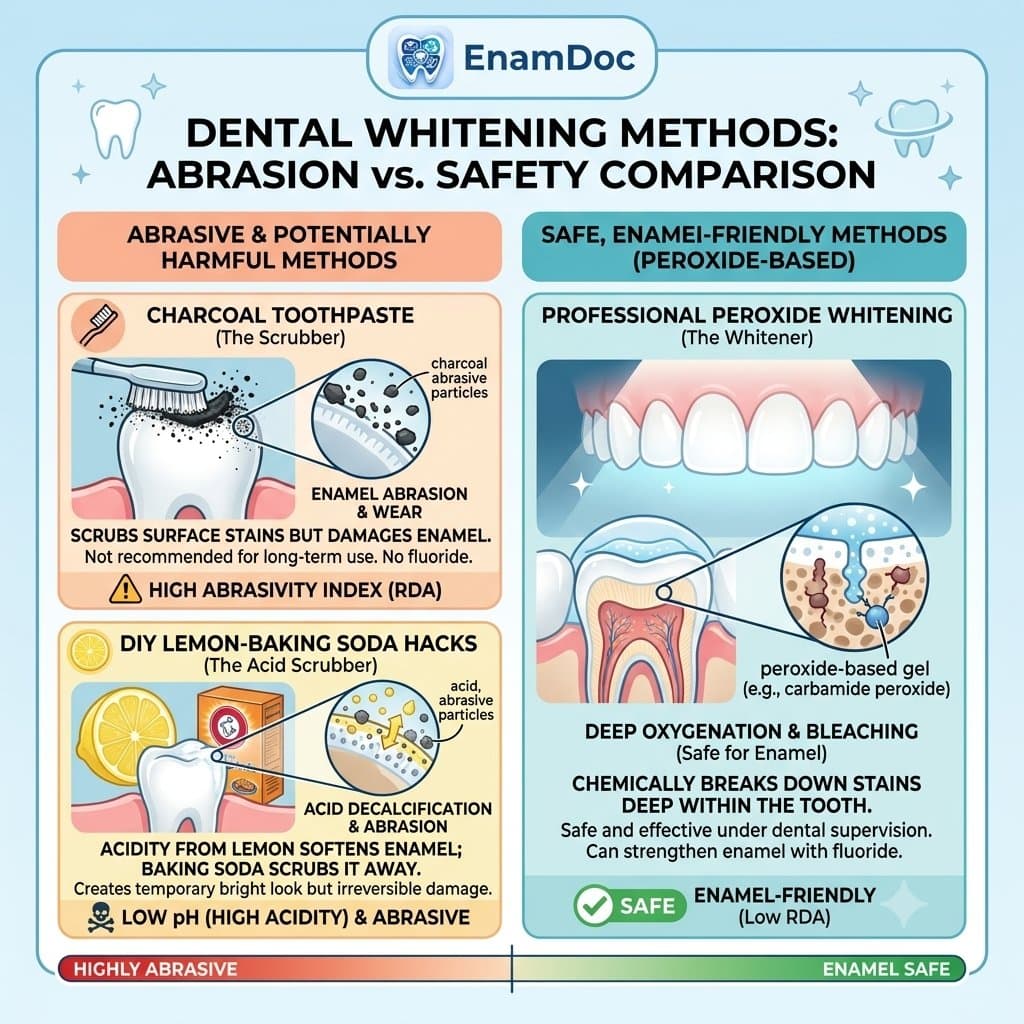
Charcoal toothpaste is one of the most purchased dental products in India right now. But what does the actual dental evidence say about its safety and effectiveness? Dr. Aditya Swami gives you the full picture.
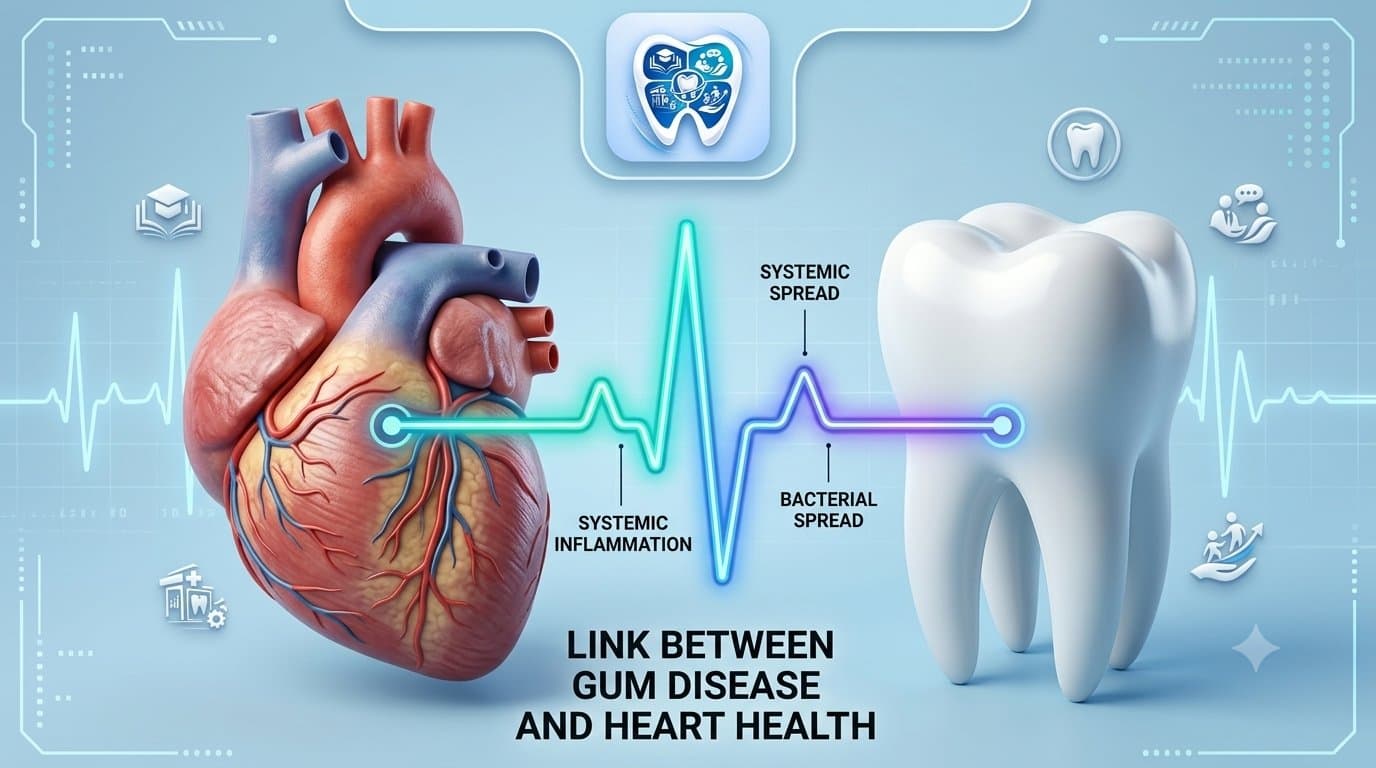
Poor gum health is now linked to heart disease, stroke, and diabetes. Dr. Aditya Swami explains the science behind this connection and why it matters for your next dental visit.
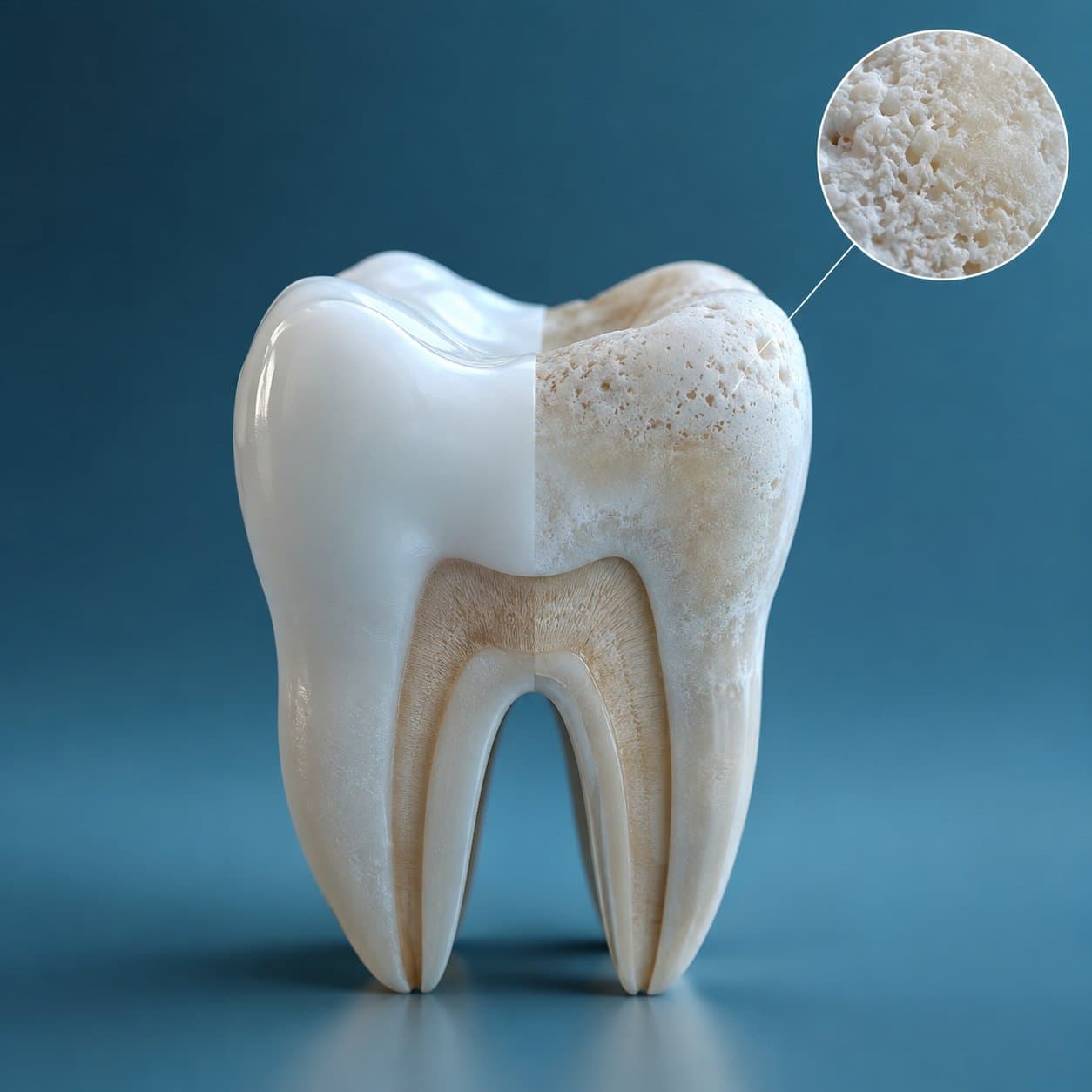
Every sip of juice or cola slightly dissolves your tooth enamel. Dr. Khanak Jain explains how acid erosion works, which foods cause the most damage, and what you can do to protect your teeth.
Clove oil is one of the oldest toothache remedies in existence. Dr. Aditya Swami explains what it actually does, how to use it safely, and when a home remedy is not enough.
Tongue-tie and lip-tie can affect breastfeeding, speech, and dental development in children. Dr. Aditya Swami explains what these conditions are, when frenectomy is needed, and what to expect from the procedure.
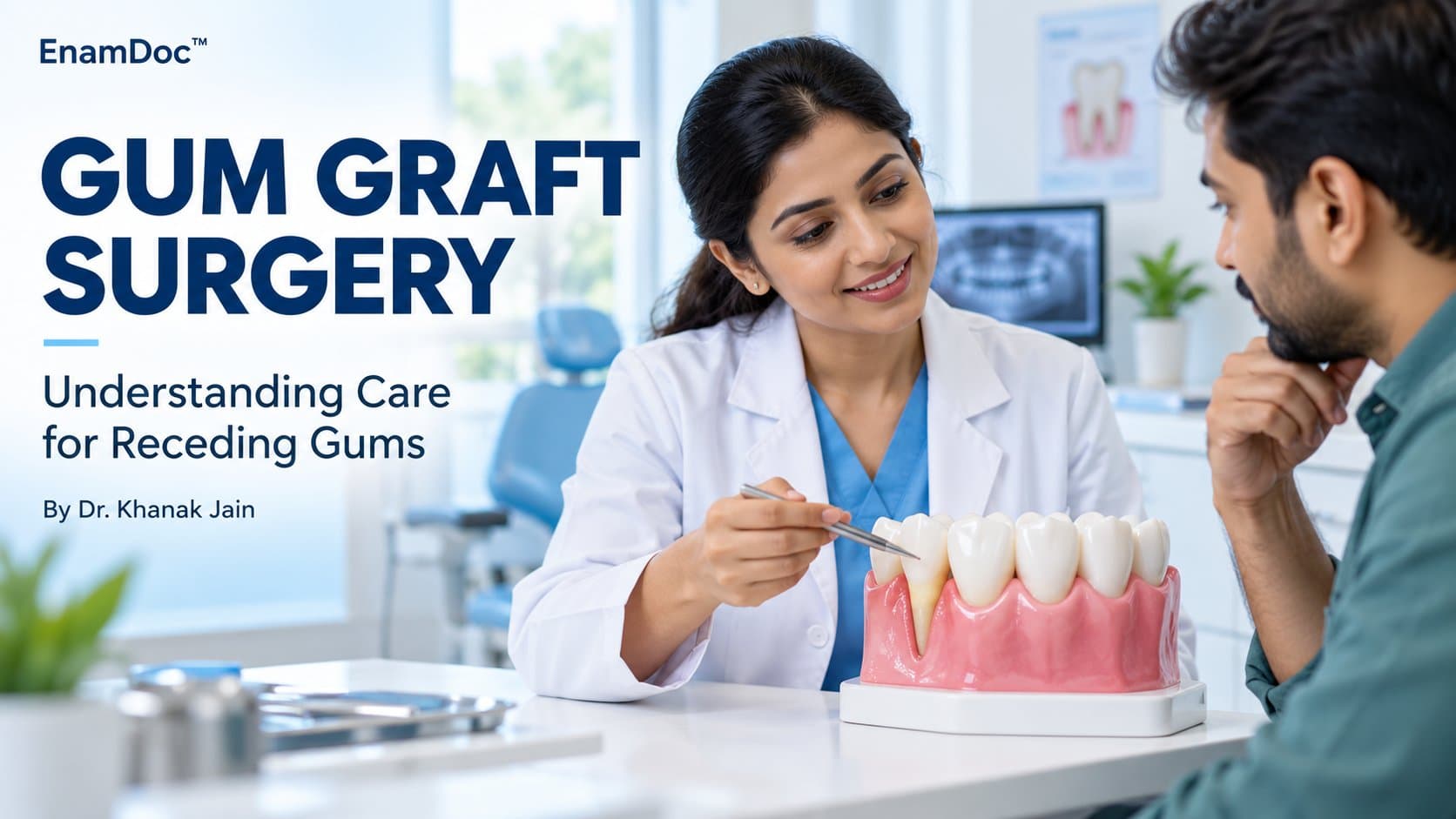
Receding gums can expose tooth roots, cause sensitivity, and lead to bone loss if left untreated. Dr. Khanak Jain explains what gum graft surgery involves, how to prepare, and what recovery looks like.
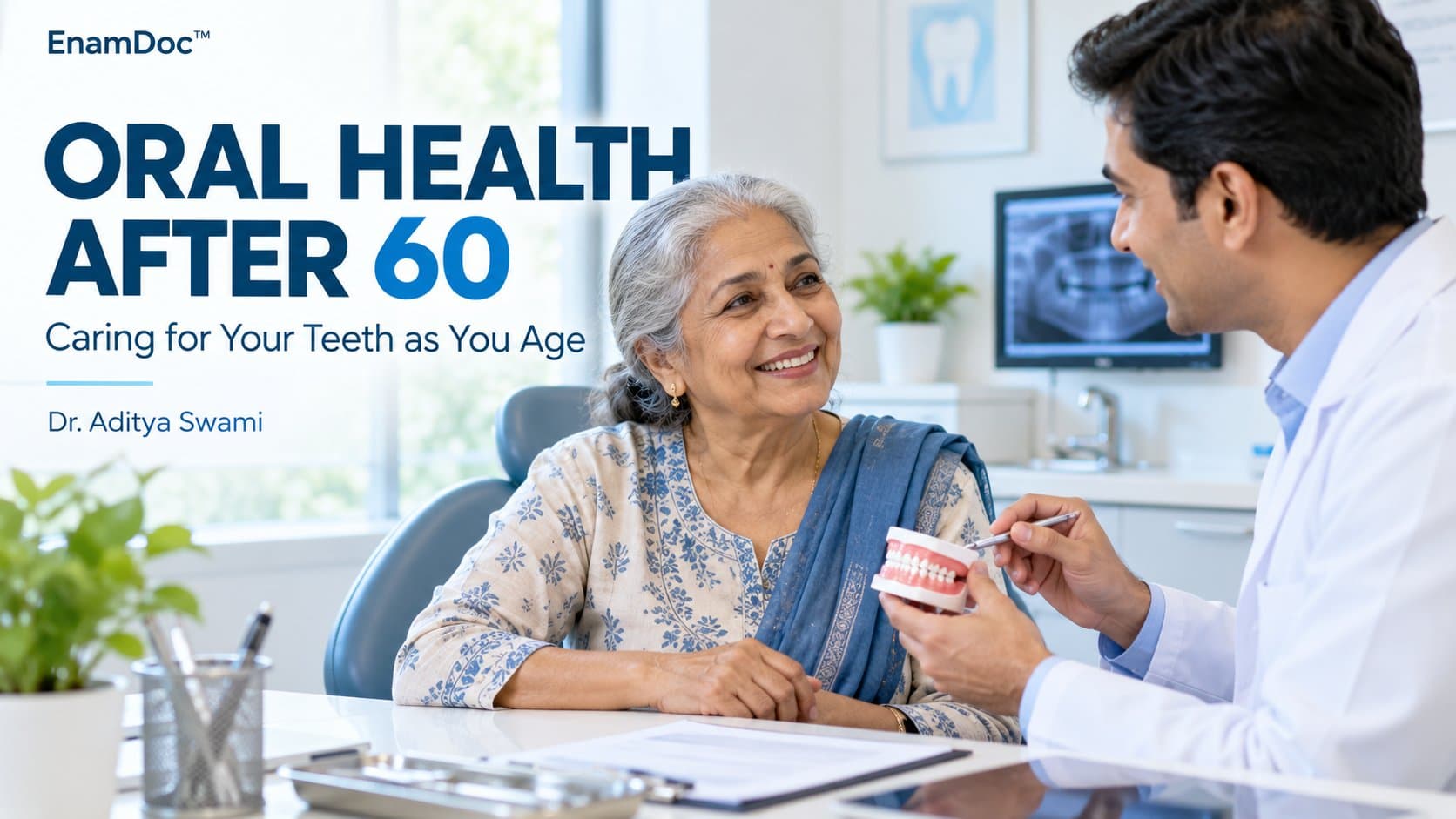
Your teeth change significantly after 60 — enamel thins, gums recede, dry mouth becomes common, and root cavities become a real risk. Dr. Aditya Swami explains what ageing does to your oral health and how to stay on top of it.
Dental fluorosis affects millions of Indians due to high fluoride in groundwater. Dr. Khanak Jain explains why white and brown spots appear on teeth, whether they're harmful, and the cosmetic options available.
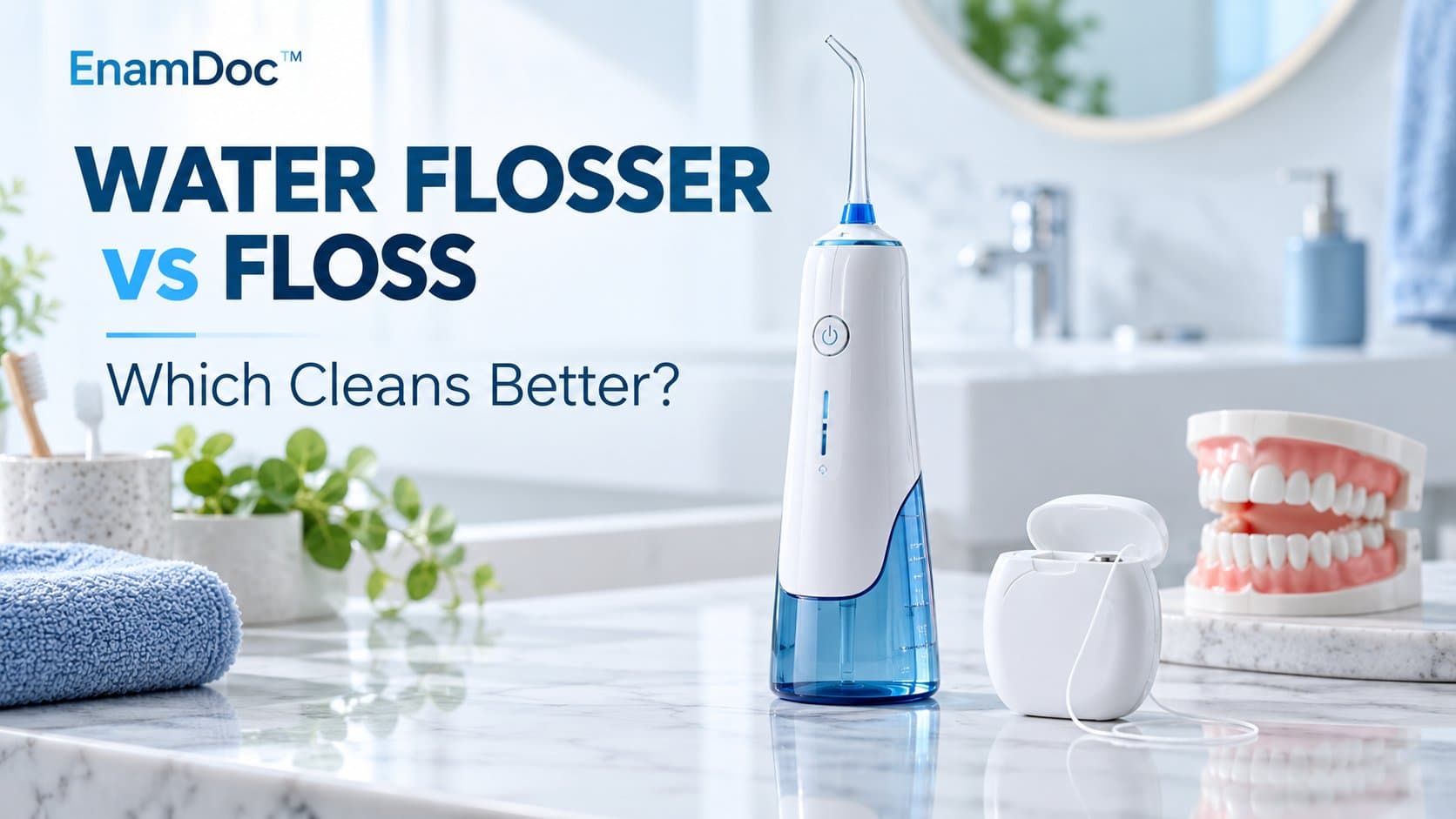
Your dentist says floss — but is a water flosser just as good? Dr. Aditya Swami compares water flossers and string floss on plaque removal, gum health, and convenience, so you can make the right choice for your teeth.
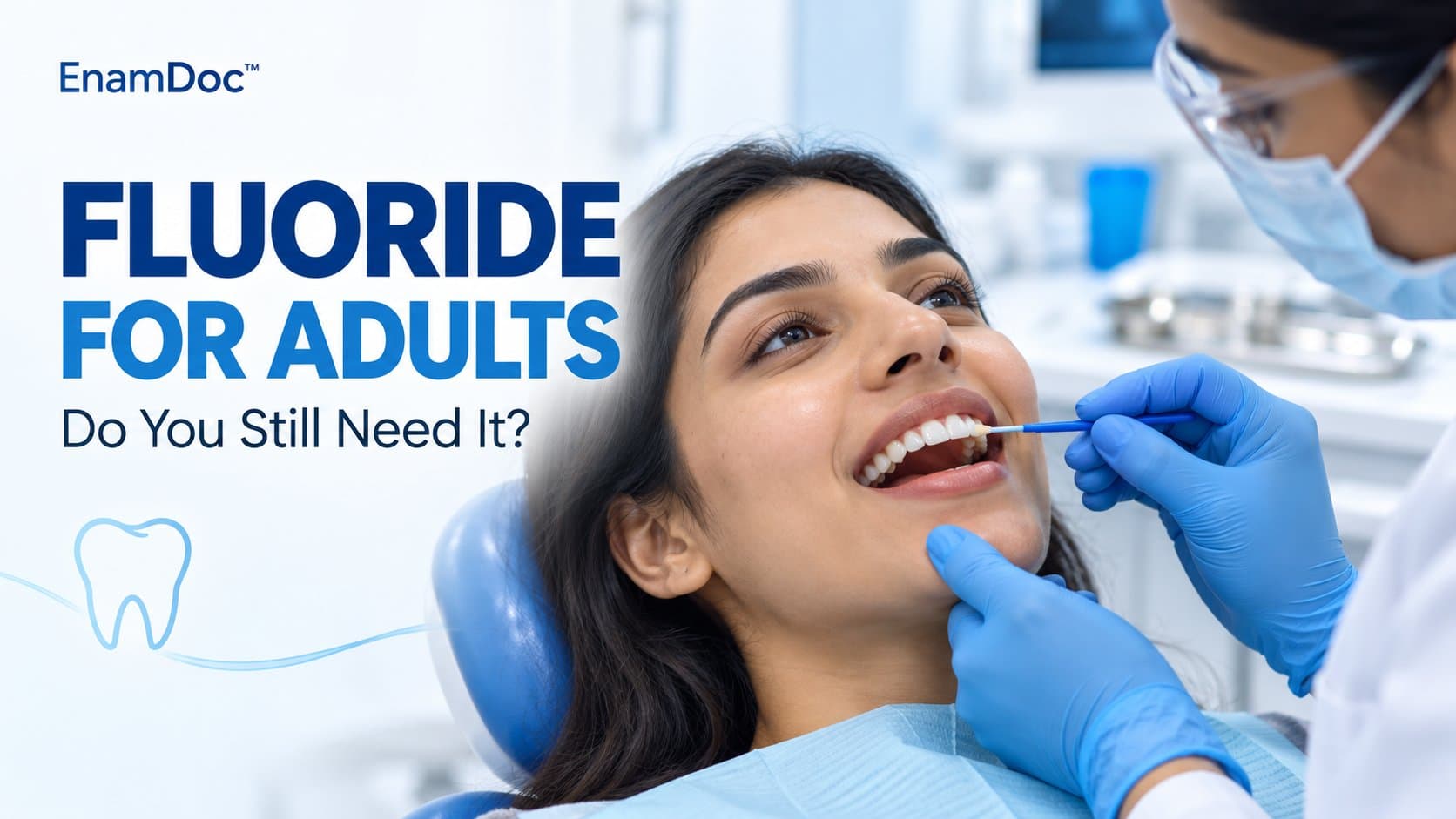
Most adults think fluoride is just for children. Dr. Aditya Swami explains why professional fluoride treatment remains one of the most effective and underused tools for preventing adult tooth decay.
Your blood pressure pill, antihistamine, or antidepressant could be quietly harming your teeth. Dr. Khanak Jain breaks down which medications cause dental side effects and what you can do to protect your smile.
That white lump at the back of your throat causing bad breath could be a tonsil stone. Dr. Aditya Swami explains what tonsilloliths are, why they form, and the safe ways to remove them — so you can finally get fresh breath back.
Persistent dry mouth is more than just uncomfortable — it raises your risk of cavities, gum disease, and oral infections. Dr. Khanak Jain explains what causes xerostomia, which medications are culprits, and the practical steps dentists recommend to protect your teeth.
Most people don't realise they're mouth breathers — let alone that it's quietly harming their teeth and gums. Dr. Aditya Swami explains how breathing through your mouth affects your oral health, and what to do about it.
Mouthwash fills an entire pharmacy aisle — but is it actually necessary? Dr. Khanak Jain cuts through the marketing to explain what mouthwash genuinely does, when it helps, and when you can safely skip it.
Diabetes puts your teeth and gums at serious risk — and gum disease can make your blood sugar harder to control. Dr. Aditya Swami explains the two-way link and what to tell your dentist.
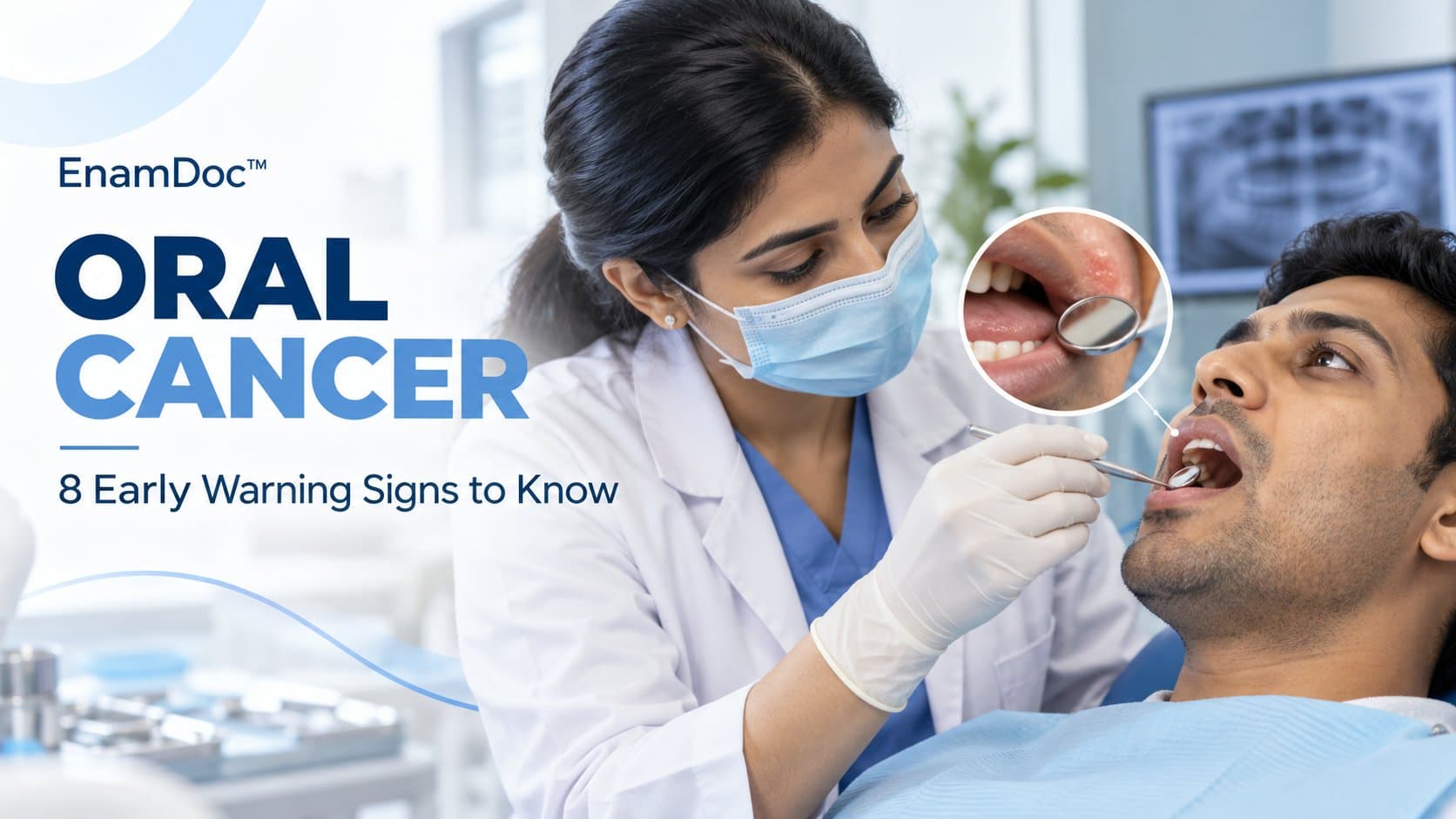
Most oral cancers are caught too late — not because they're hard to spot, but because patients don't know what to look for. Dr. Khanak Jain walks you through 8 early warning signs you should never ignore.
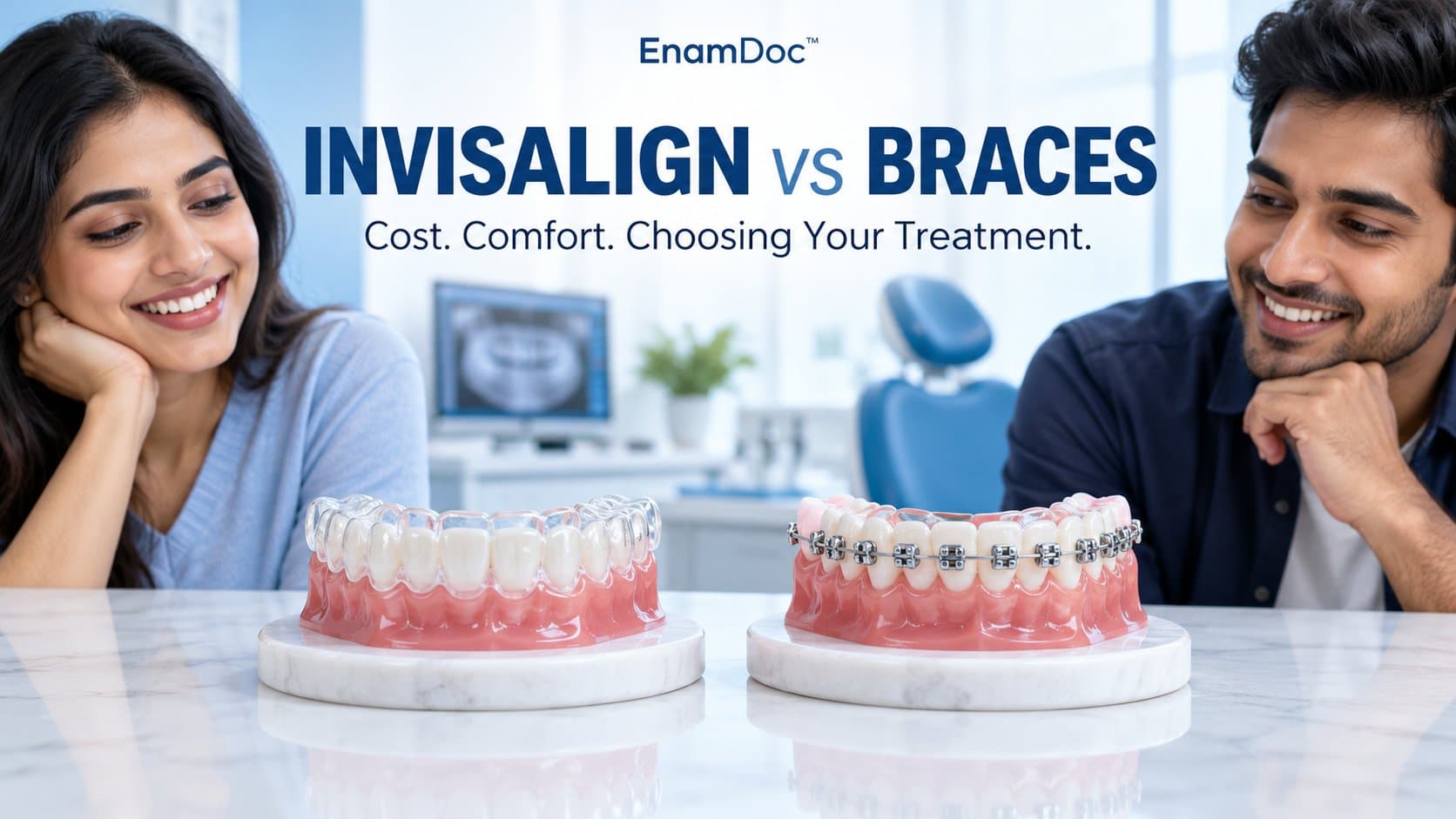
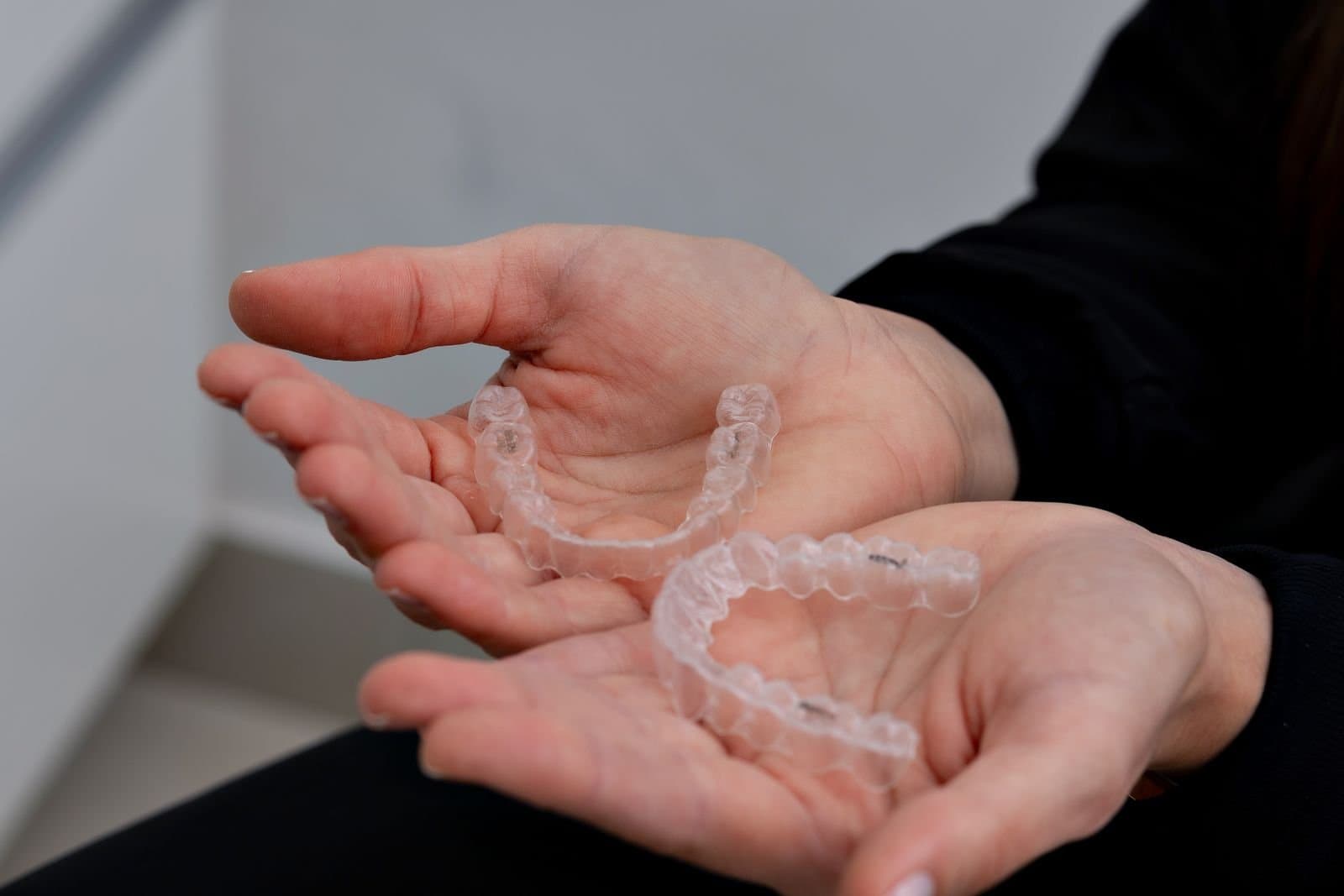
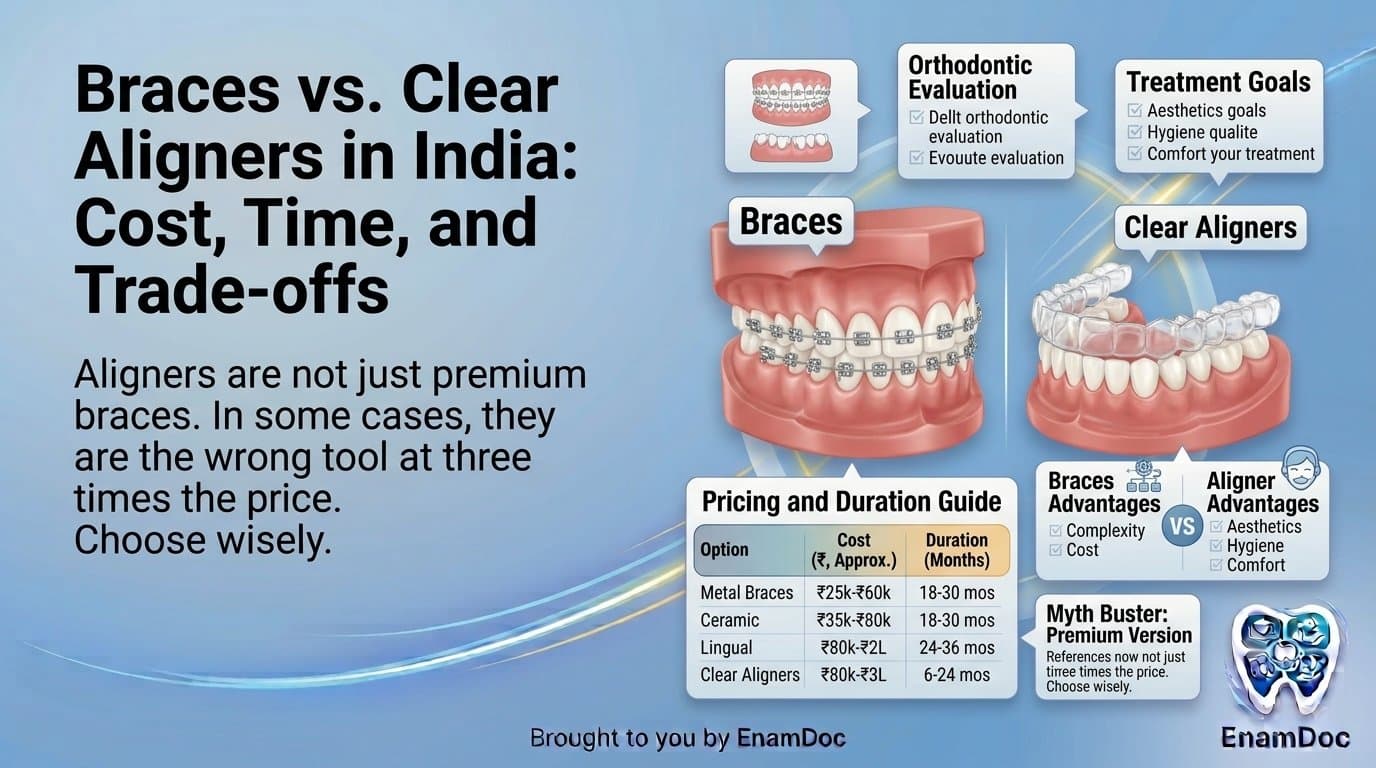
Confused between Invisalign and metal braces? Dr. Aditya Swami compares both options for Indian patients — covering cost, treatment time, comfort, and which one actually works better for your teeth.
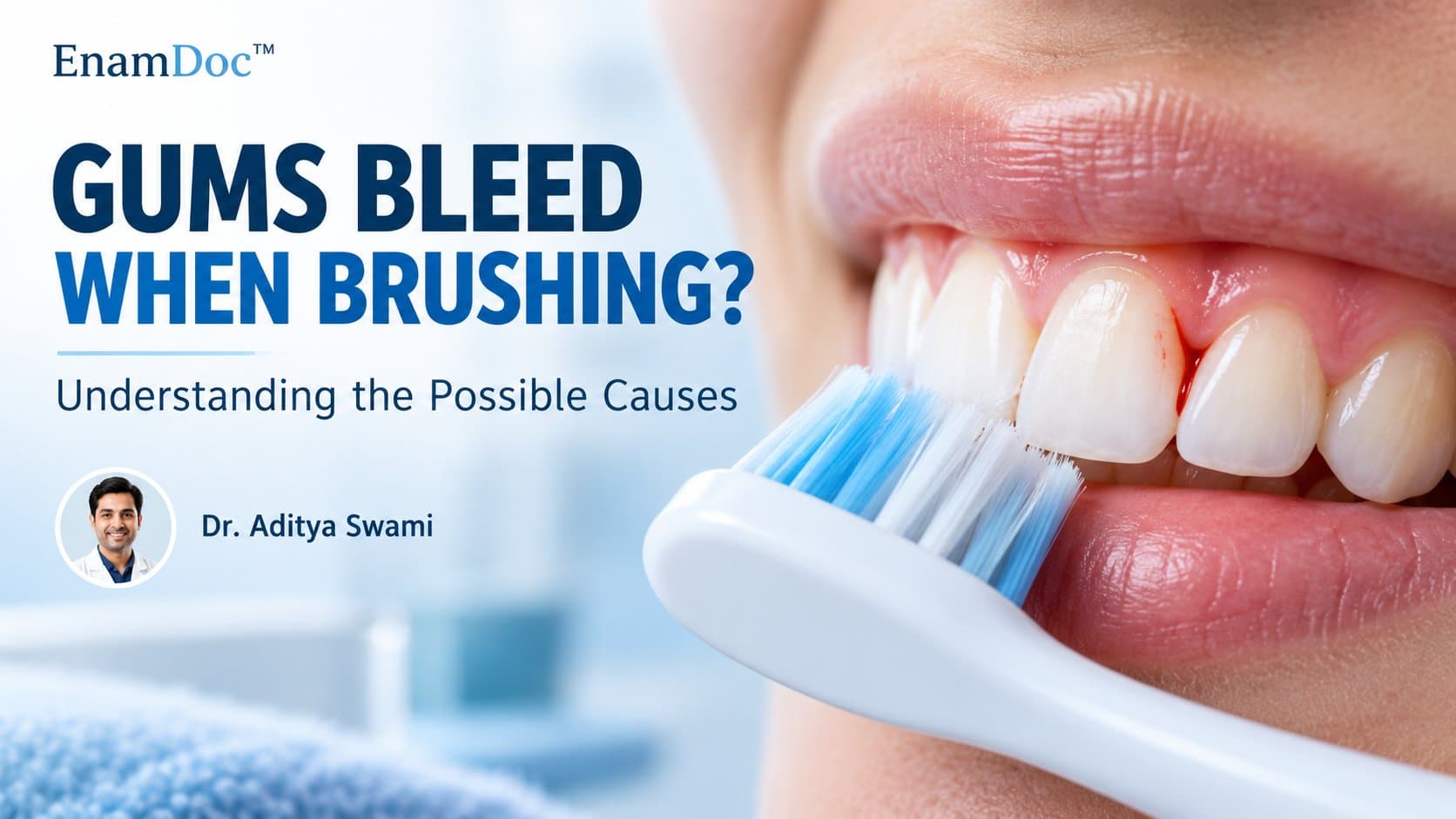
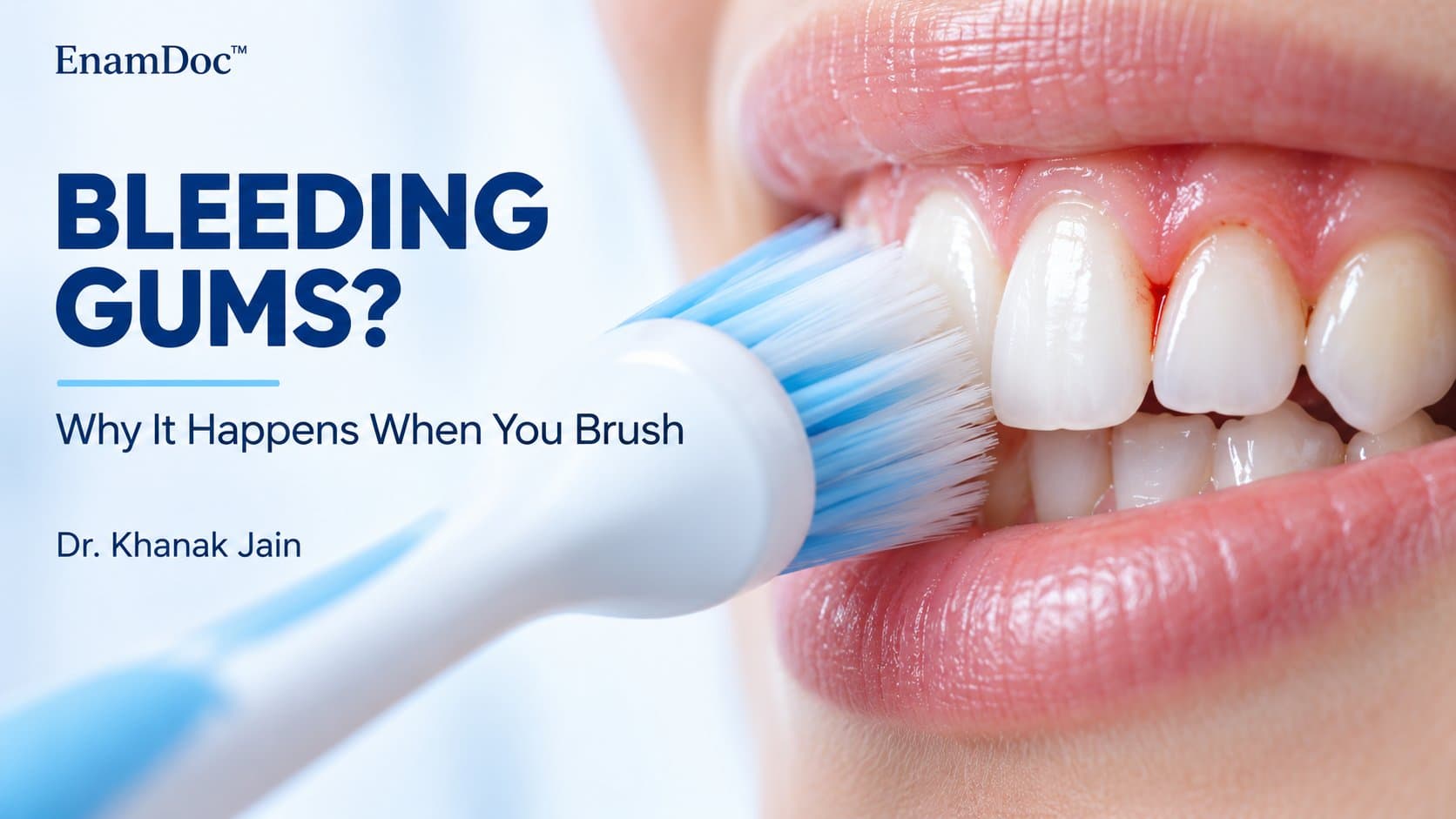
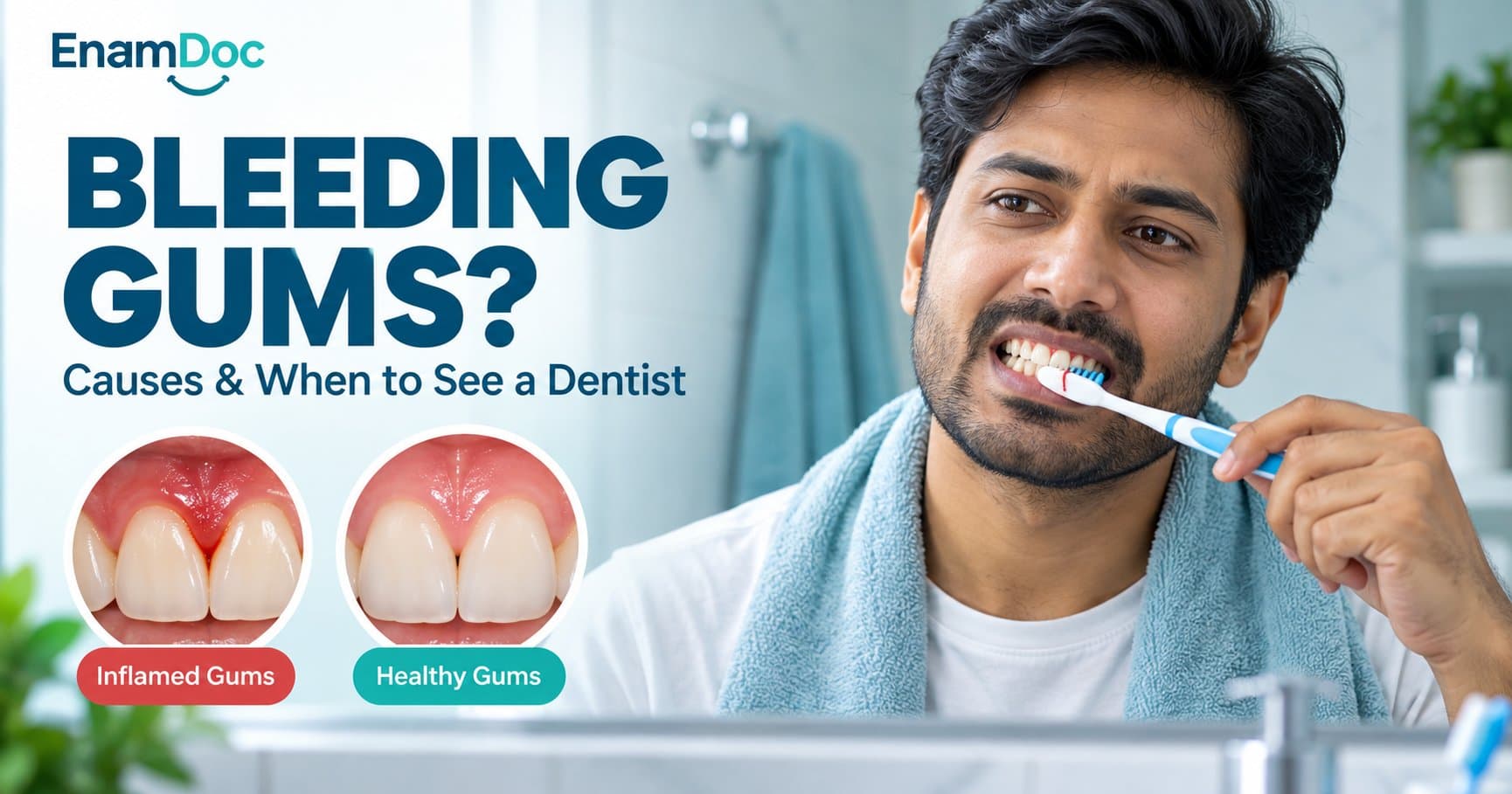
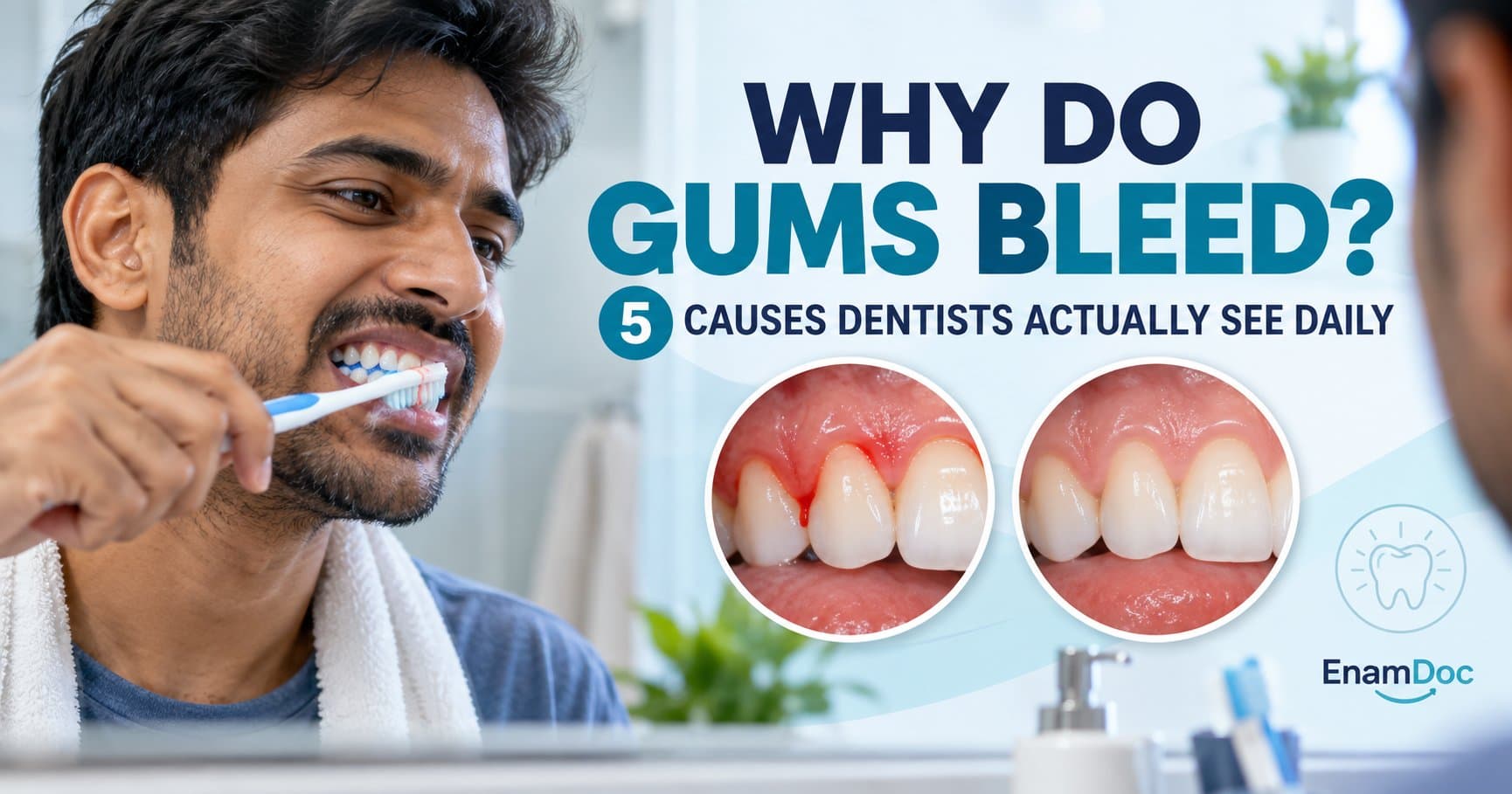
Bleeding gums when brushing is one of the most overlooked warning signs in dental health. Dr. Aditya Swami explains the common causes, what the blood is actually telling you, and when you need to see a dentist urgently.
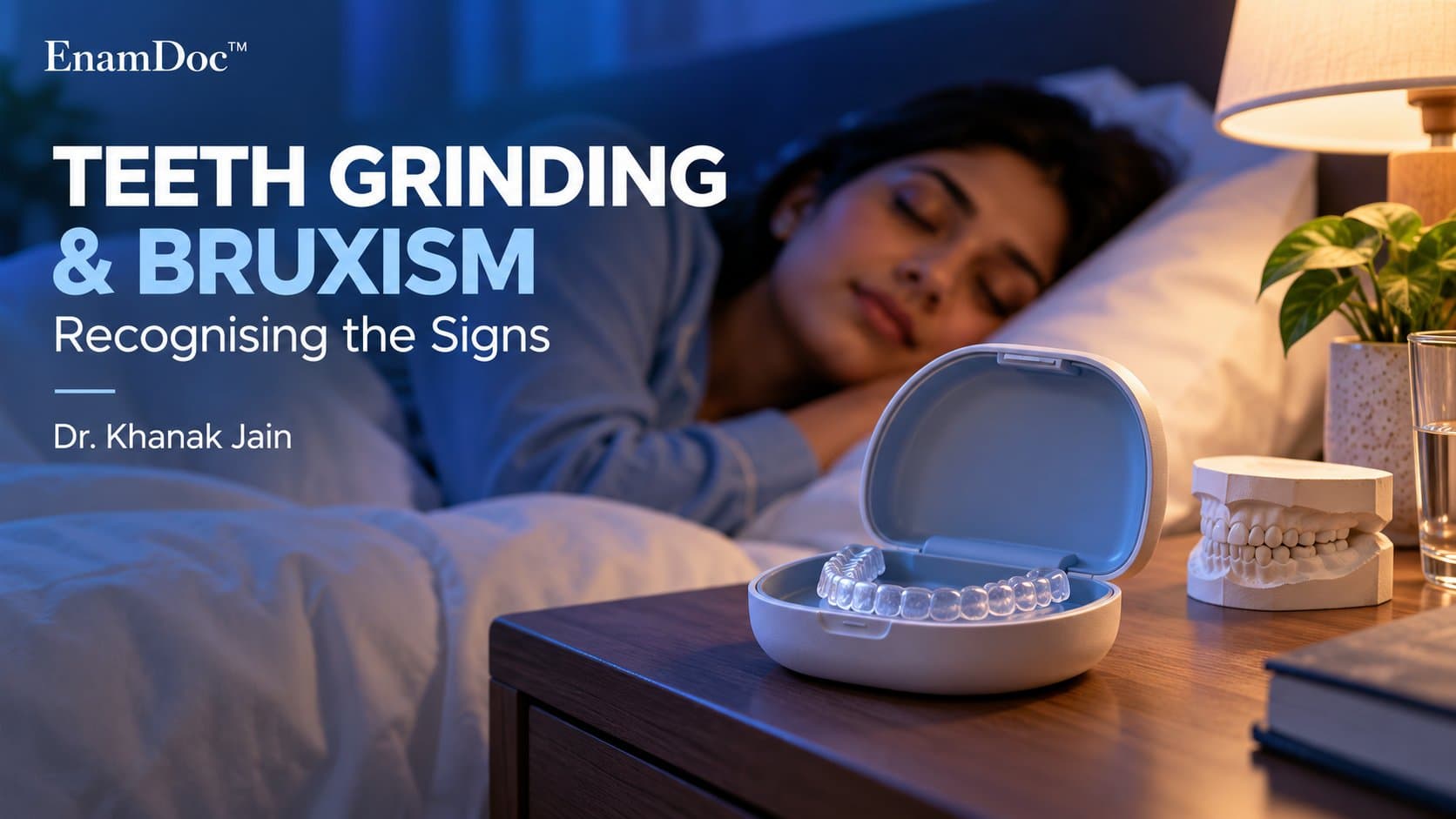
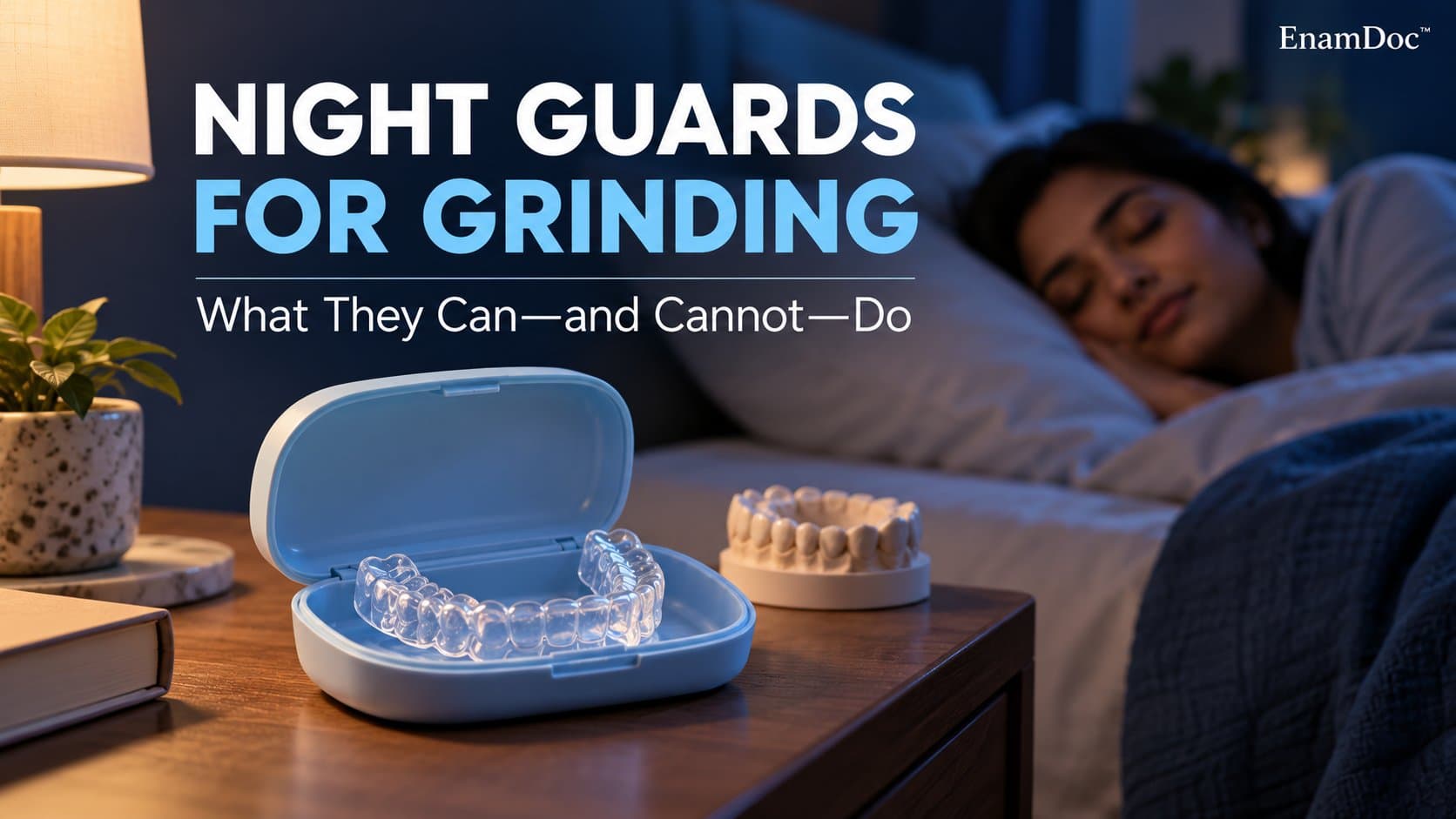
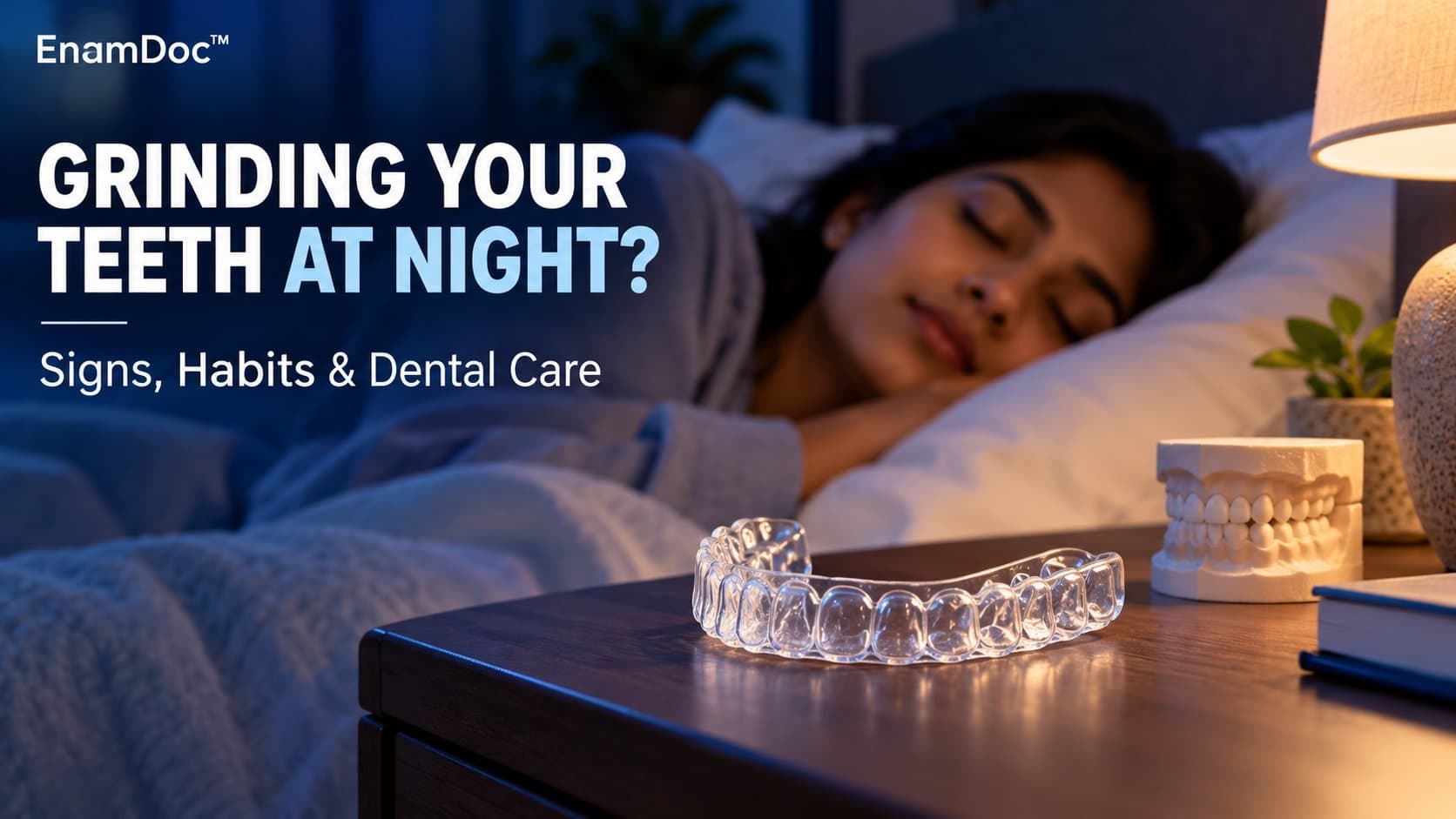
Waking up with a sore jaw or headaches? You may be grinding your teeth at night. Dr. Khanak Jain explains the signs of bruxism, its causes, and how a night guard can protect your smile.
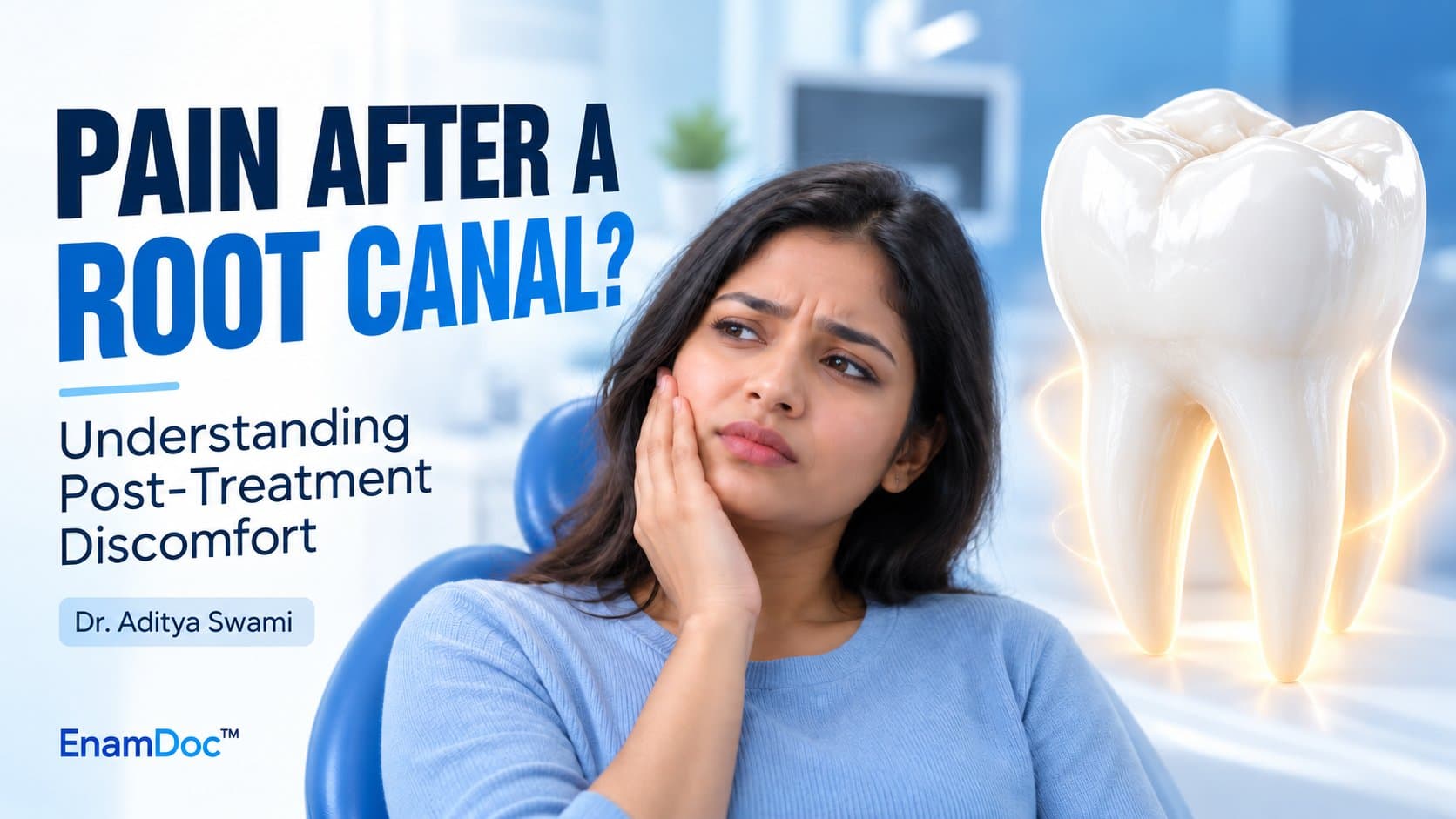
After a root canal, some discomfort is expected. But how do you know if it is healing normally or if something is wrong? Dr. Aditya Swami explains what is normal and when to call your dentist.
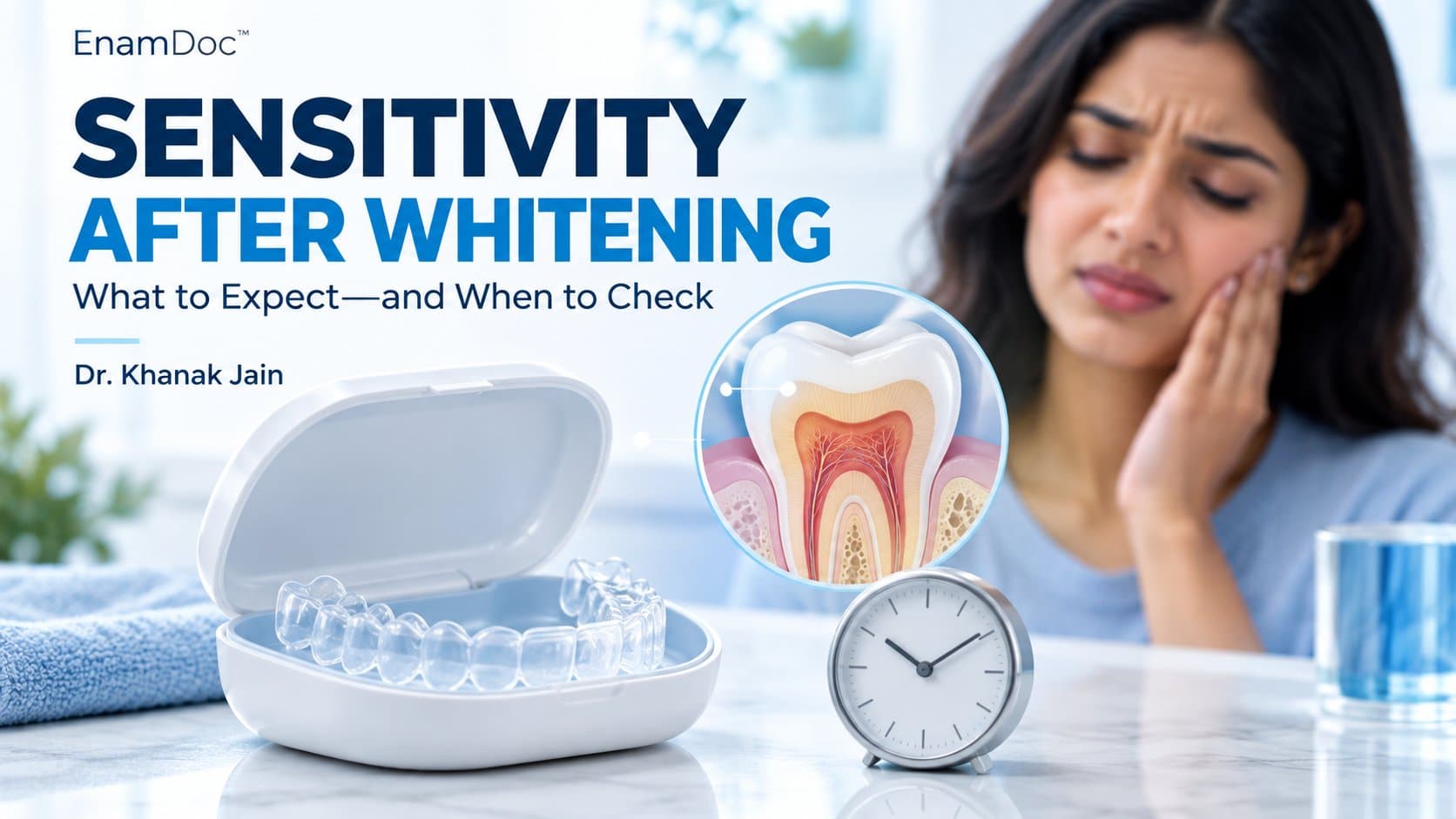
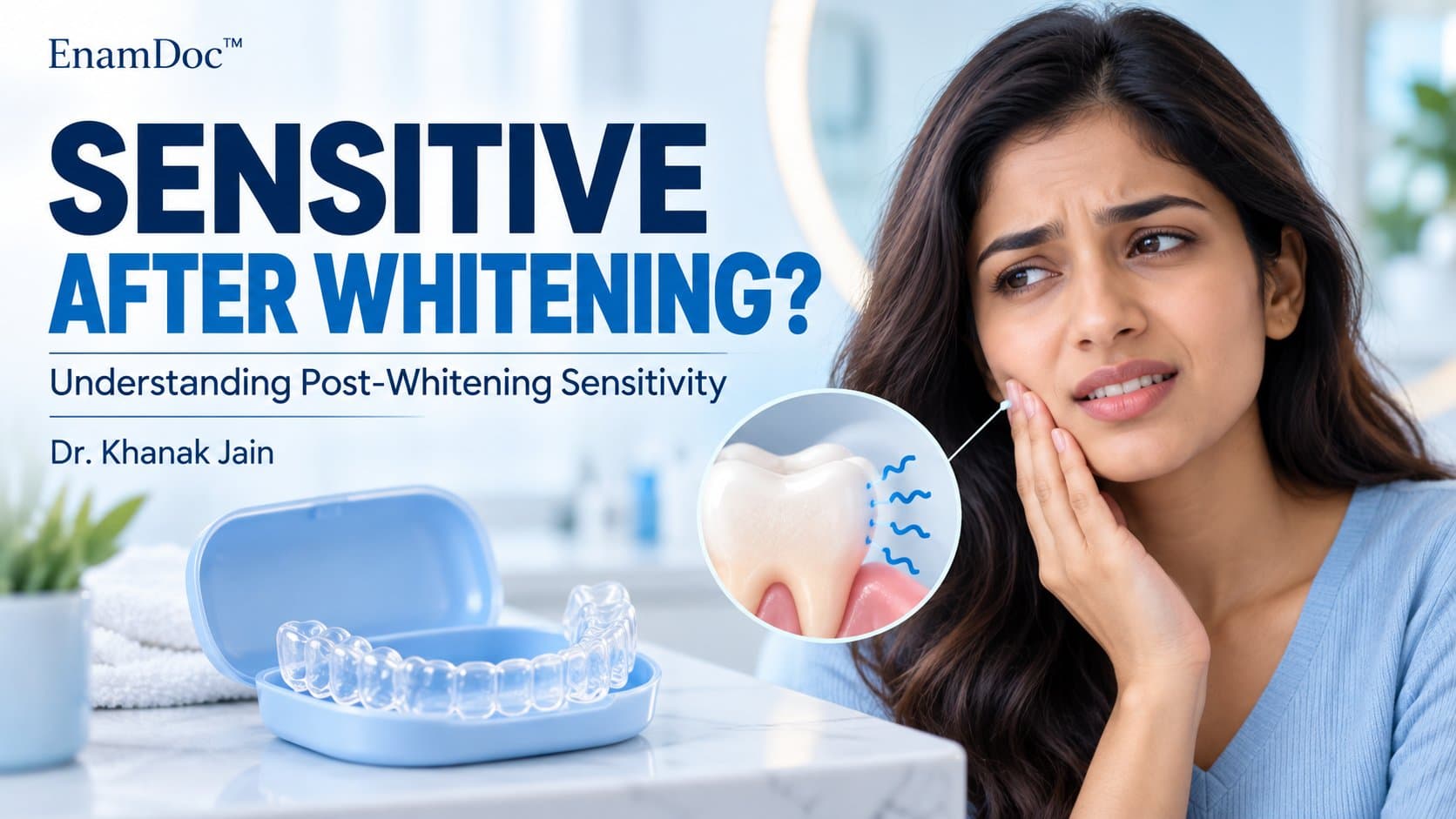
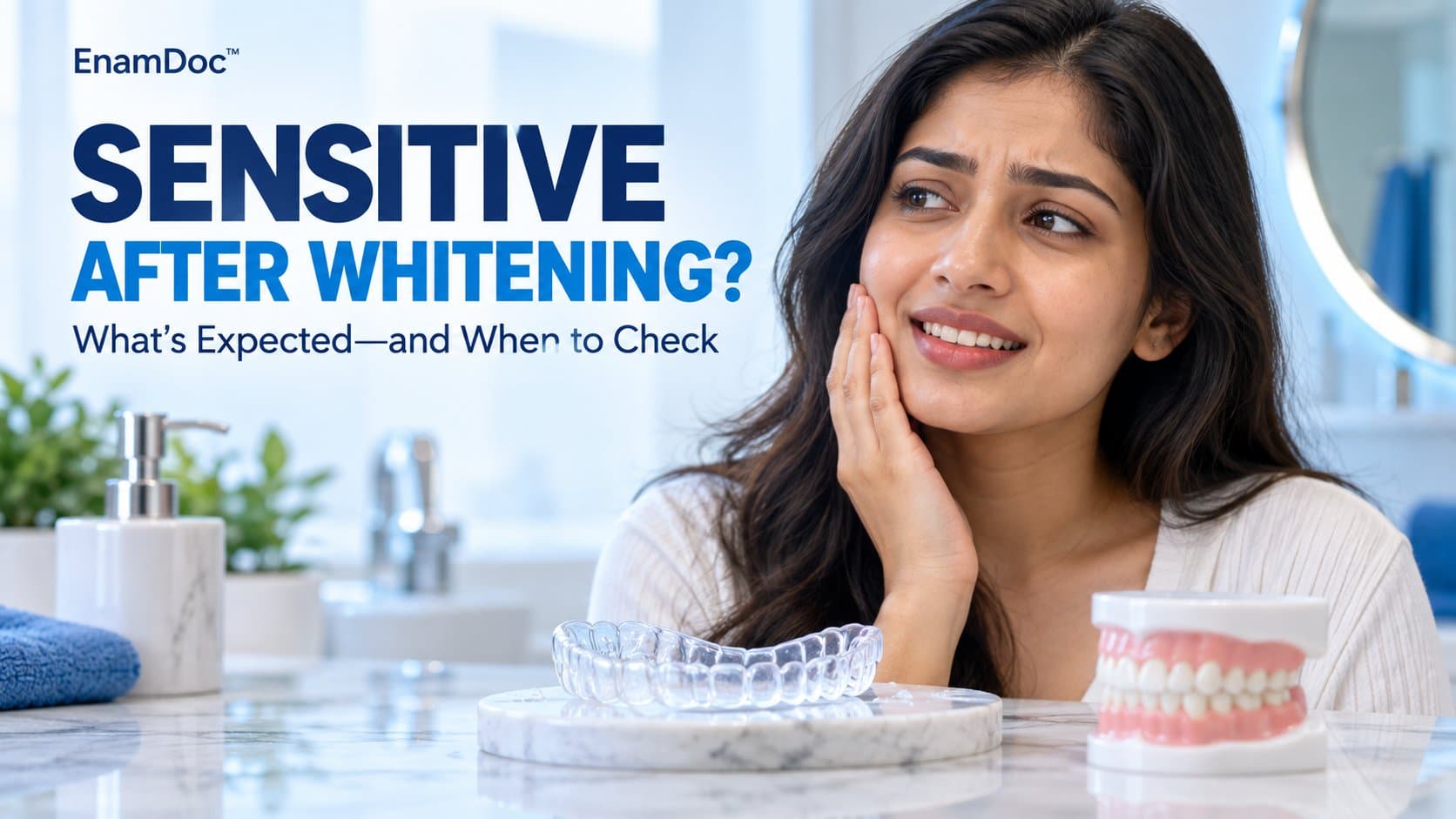
Sensitivity after teeth whitening is the most common side effect — but it doesn't have to ruin your experience. Dr. Khanak Jain explains why it happens, how long it lasts, and exactly what to do about it.
Many pregnant women avoid the dentist out of fear — but skipping dental care can actually harm both mother and baby. Dr. Khanak Jain explains which treatments are safe, which to postpone, and what every expectant mother should tell her dentist.
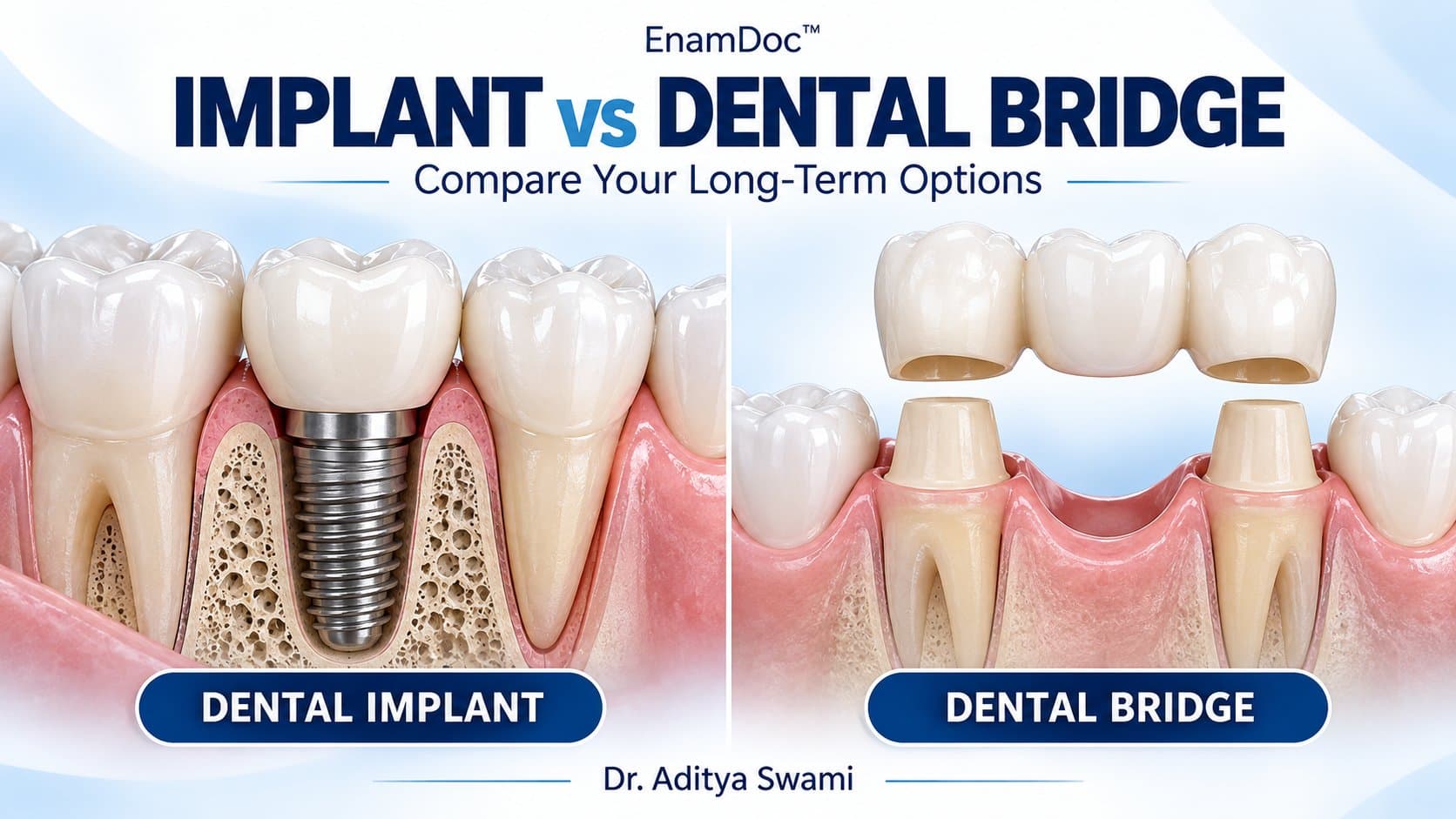
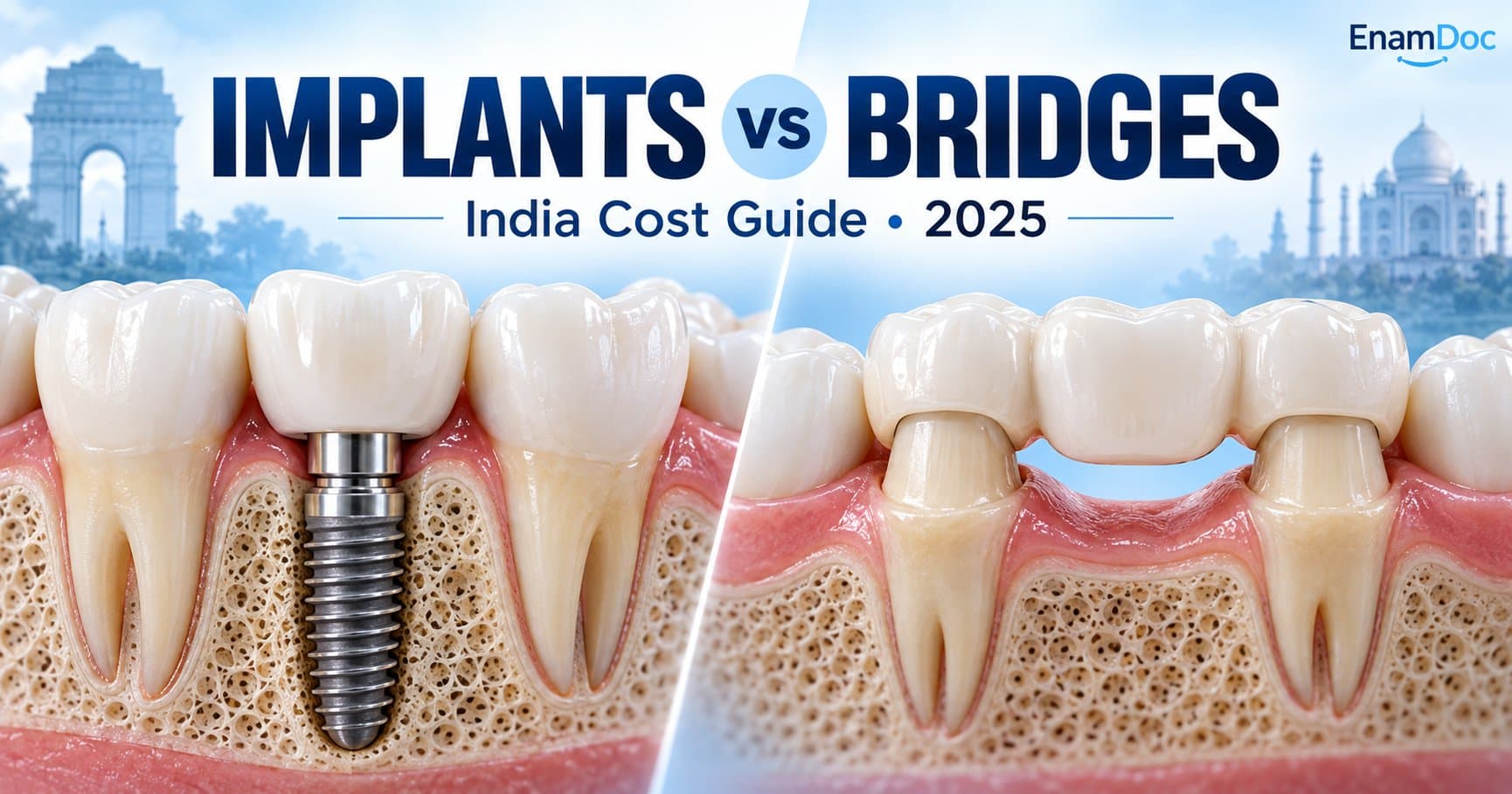
Confused between a dental implant and a bridge? Dr. Aditya Swami breaks down the real differences in cost, durability, bone health, and long-term value — so you can make the right call for your smile.
A dental emergency at midnight is frightening. Dr. Aditya Swami explains what to do — and what not to do — for common dental emergencies at home, and when a situation genuinely cannot wait until morning.
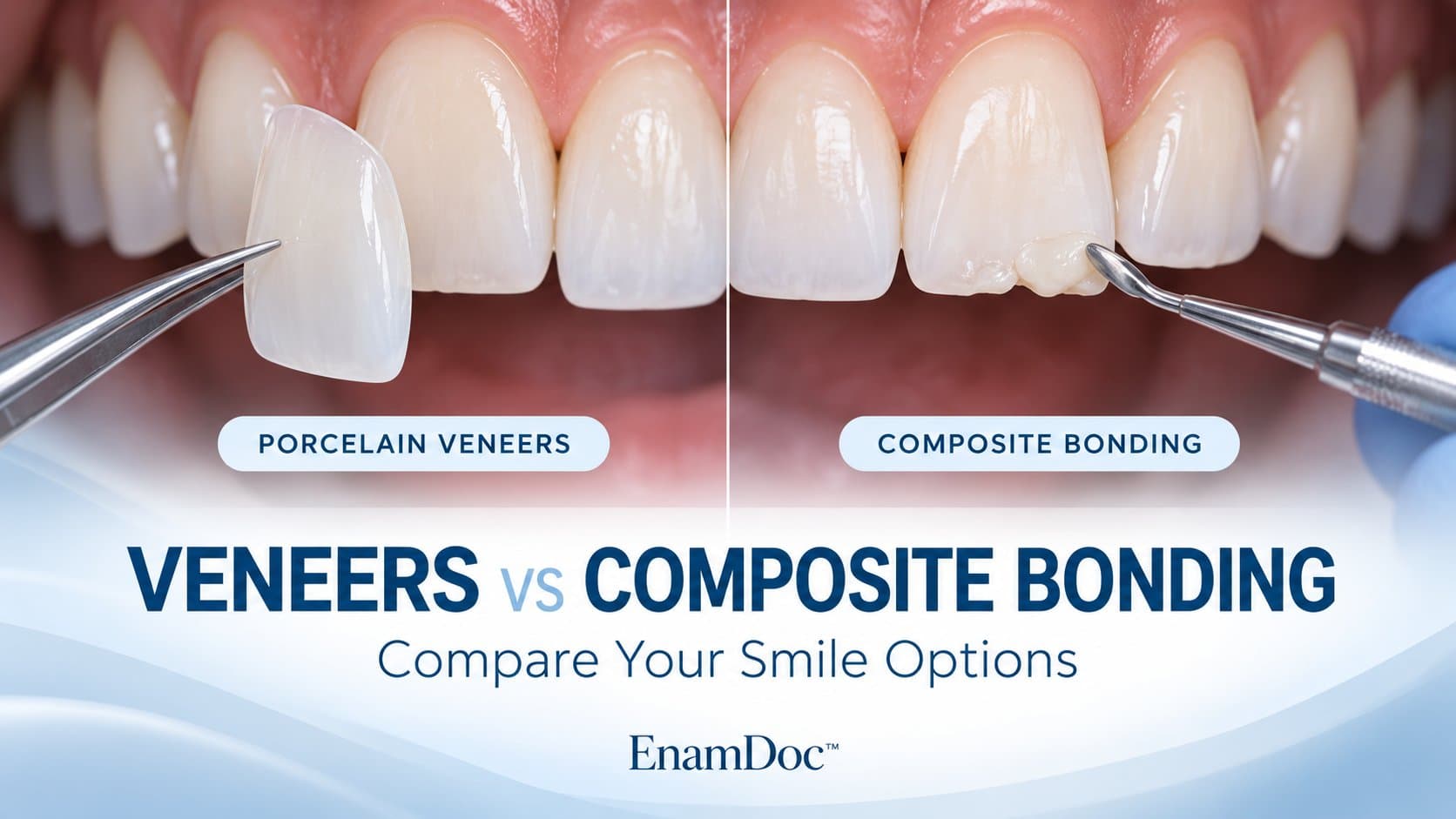
Veneers and composite bonding can both transform a smile — but they differ in cost, durability, reversibility, and the problems they solve best. Dr. Khanak Jain compares both options so you can have a more informed conversation with your dentist.
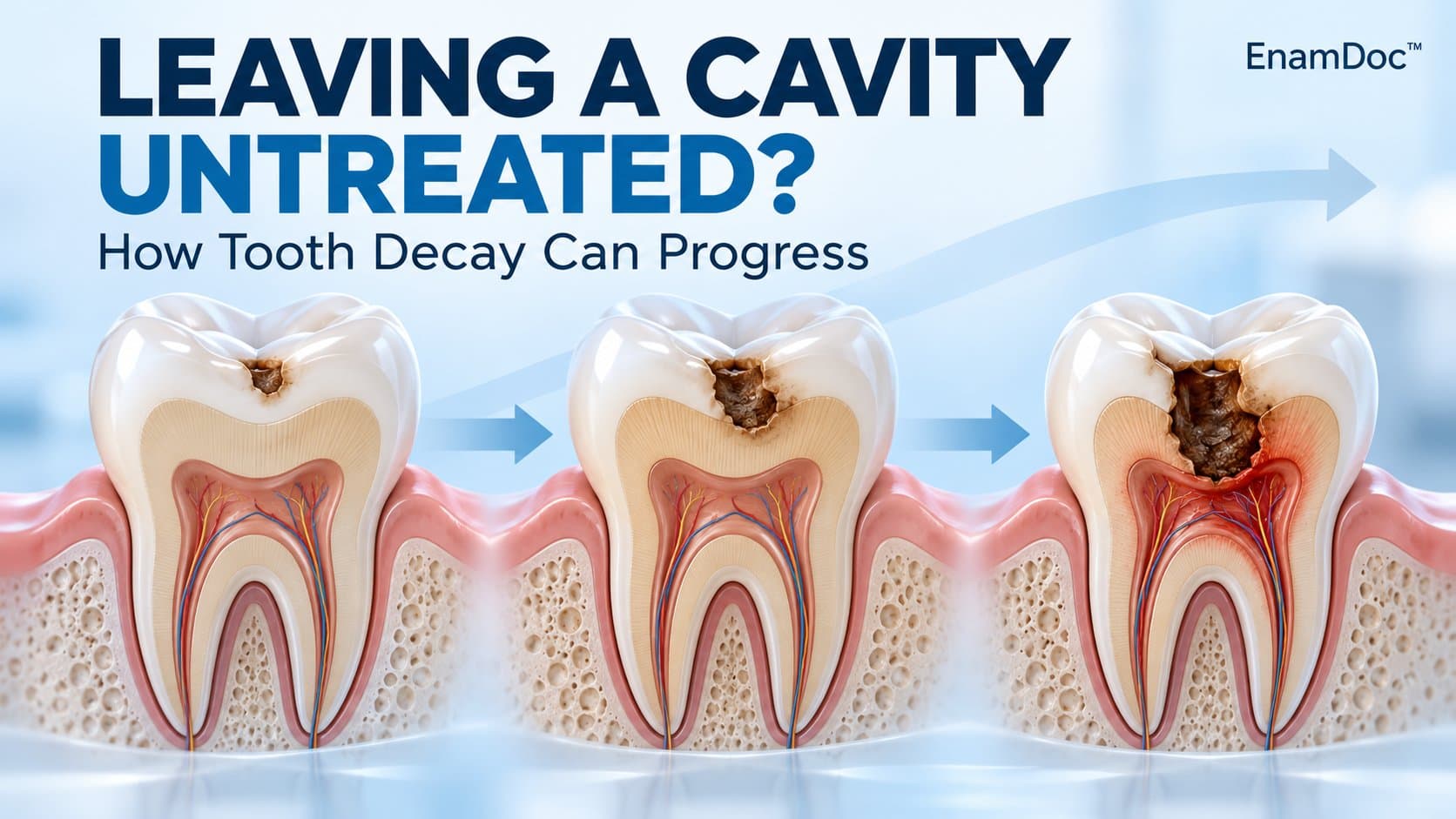
Skipping that dental appointment might seem harmless. Dr. Aditya Swami explains the five-stage progression of an untreated cavity — from a small enamel lesion to tooth loss — and what you can realistically do at each stage.
Your dentist said you grind your teeth at night — but does a plastic mouth guard actually protect you? Dr. Khanak Jain explains how night guards work, the types available, and what the evidence really says about bruxism treatment.
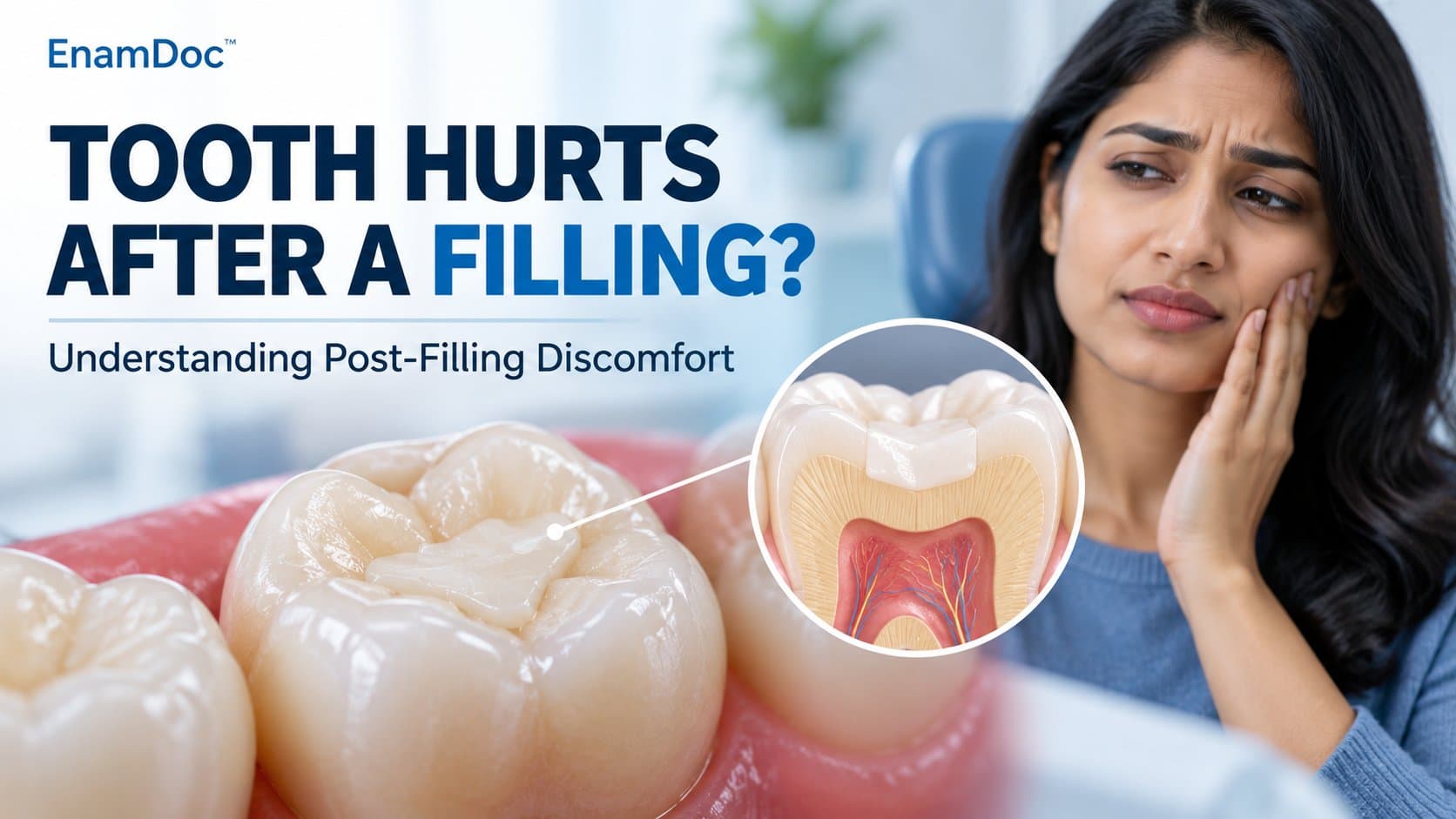
It is normal to feel some sensitivity after a dental filling — but how do you know when the pain is part of healing and when it signals a problem? Dr. Aditya Swami explains the common causes of post-filling pain and exactly when to call your dentist.
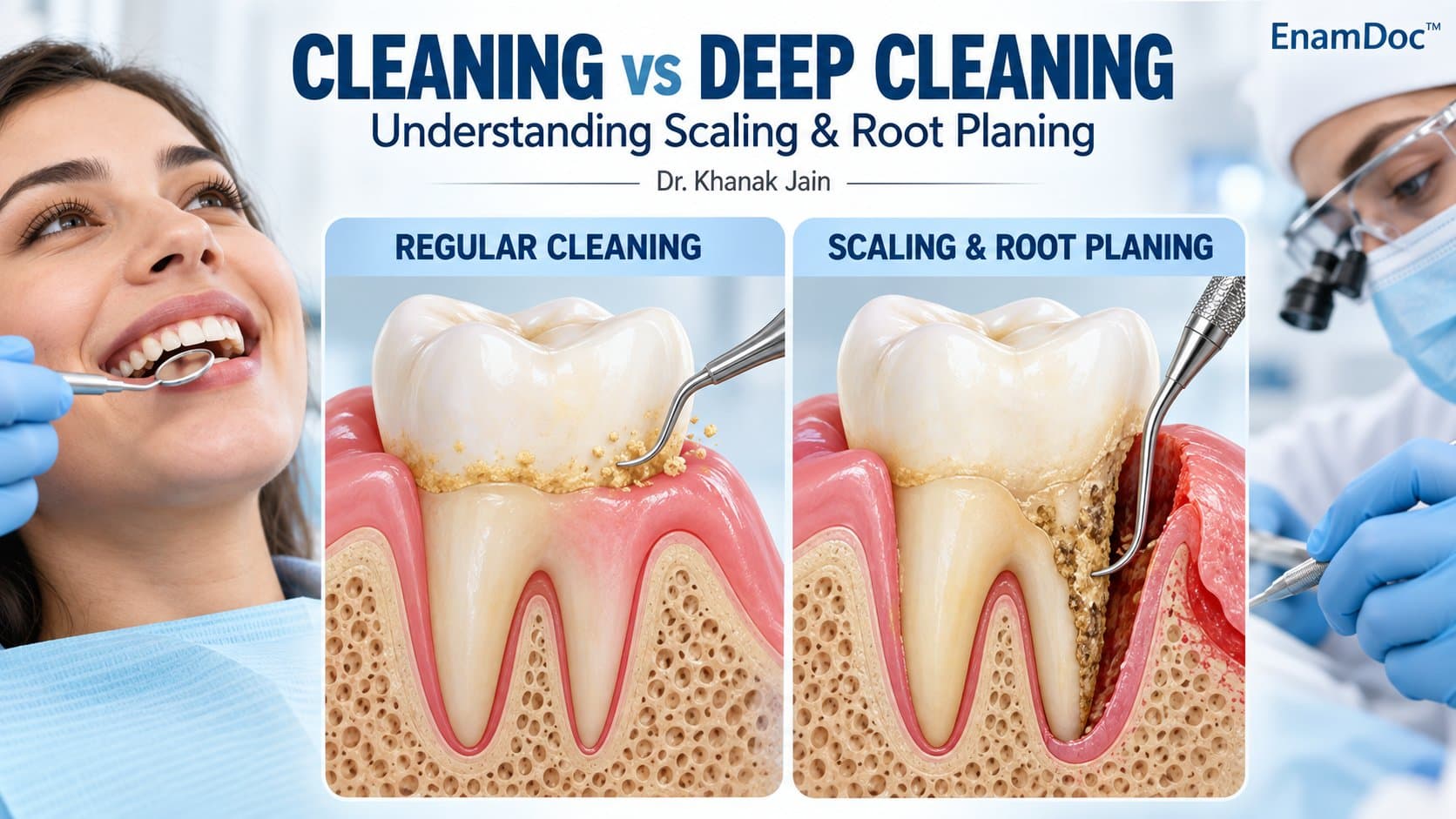
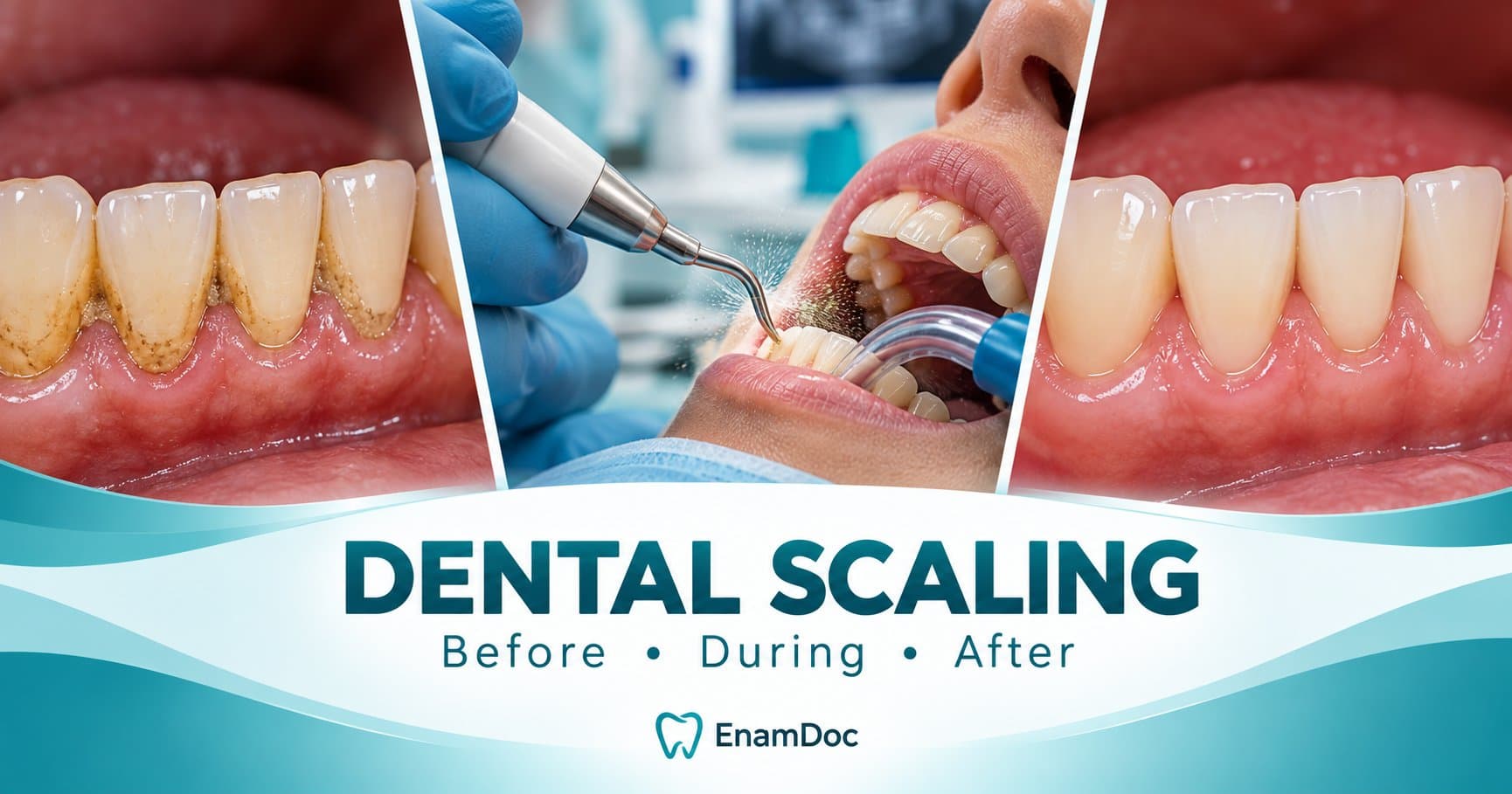
Your dentist has recommended a deep cleaning. Dr. Khanak Jain explains the difference between a regular scale-and-polish and scaling and root planing — what each involves, when you need it, and what to expect.
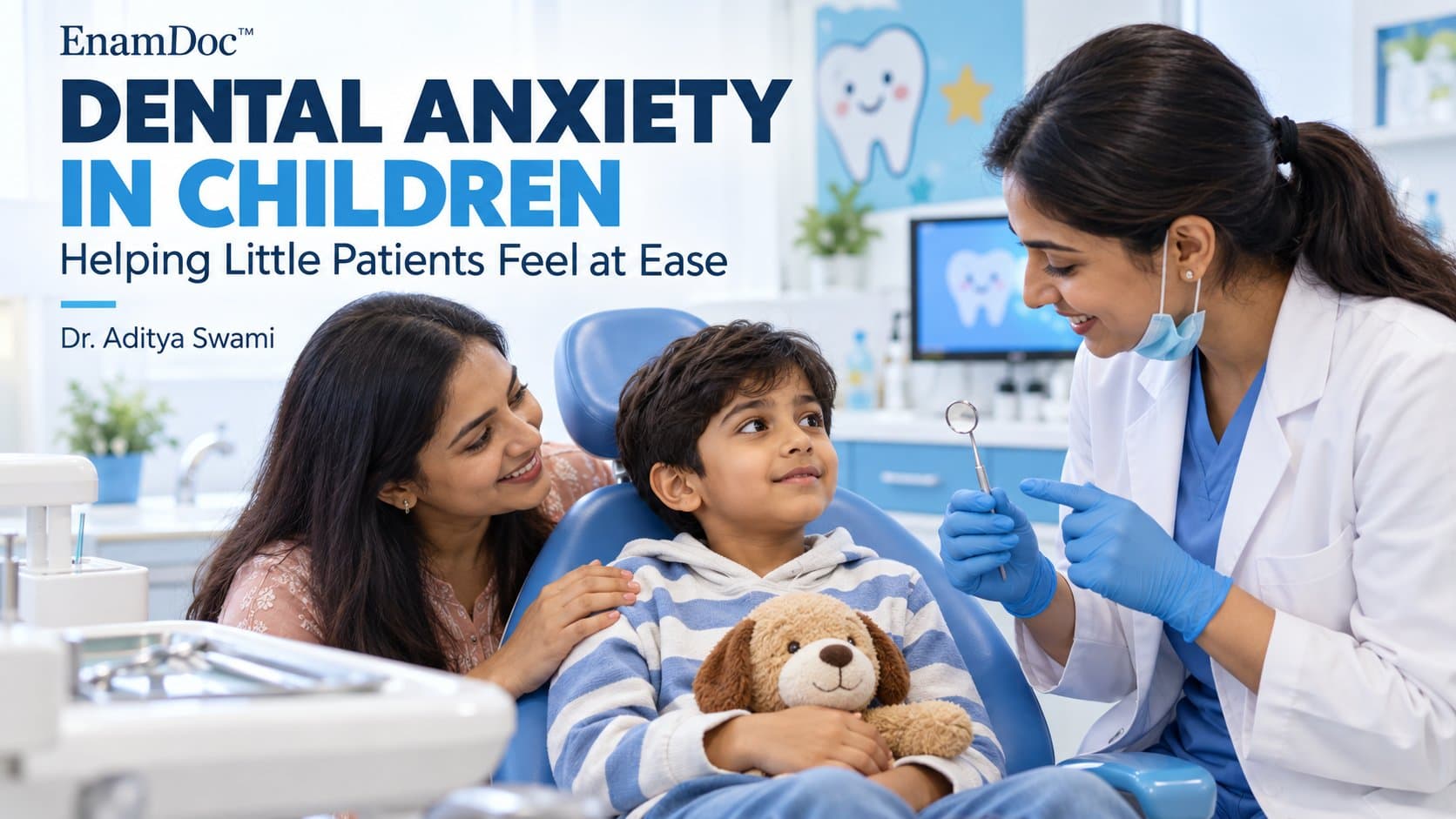
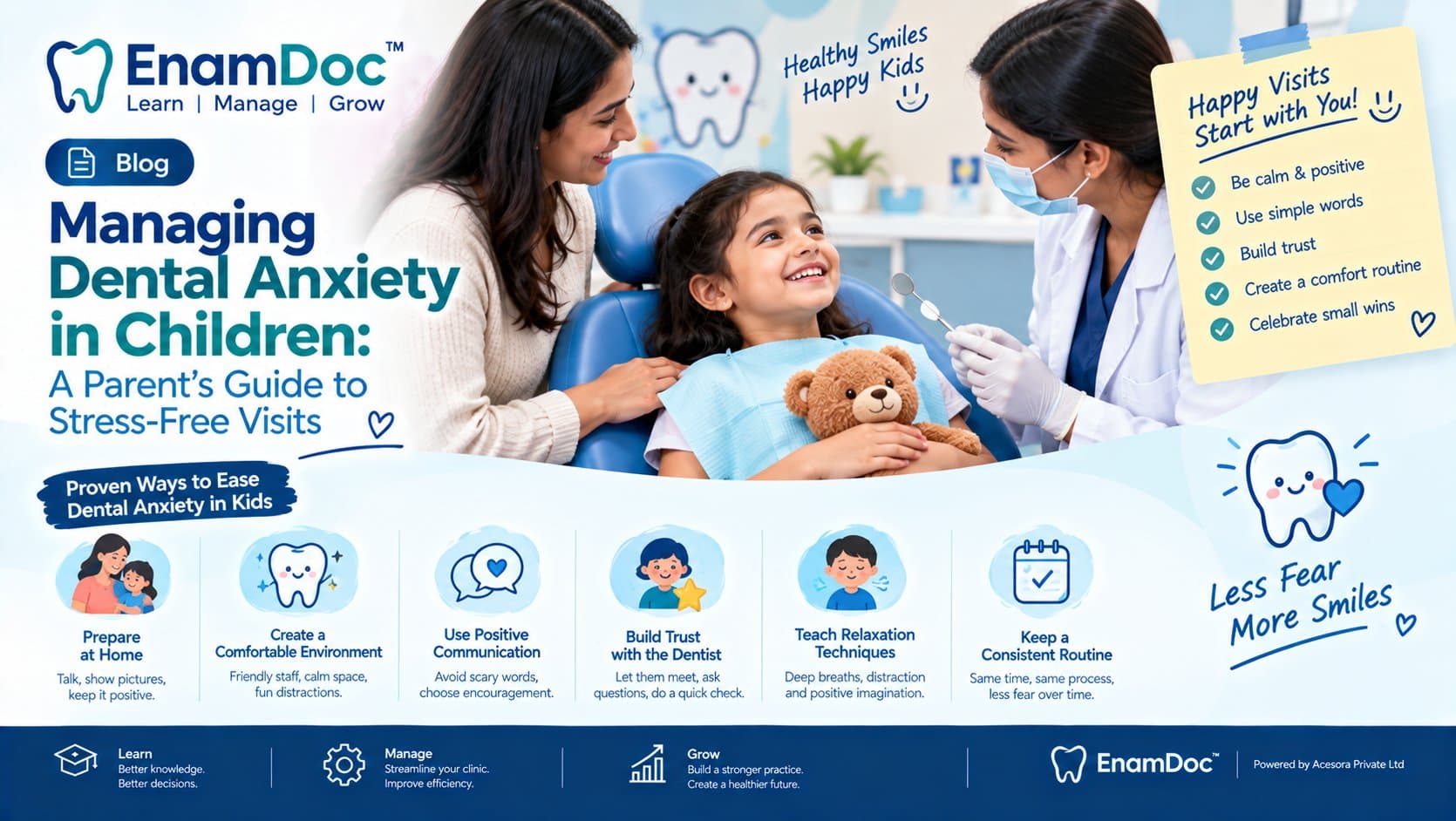
Dental anxiety affects a large number of children and can follow them into adulthood. Dr. Aditya Swami explains the causes, how parents can prepare their child before a visit, and what good pediatric dentists do differently.
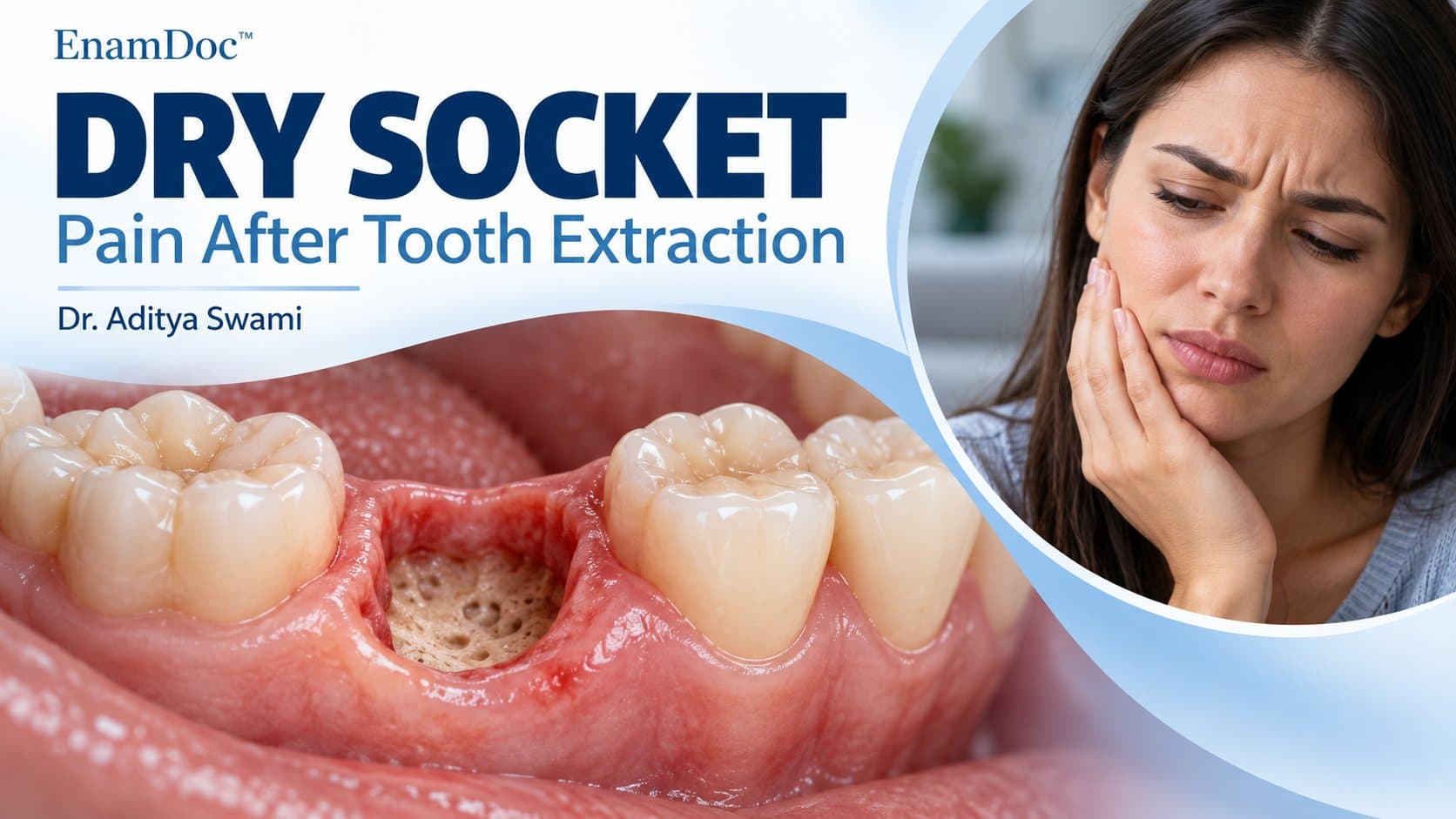
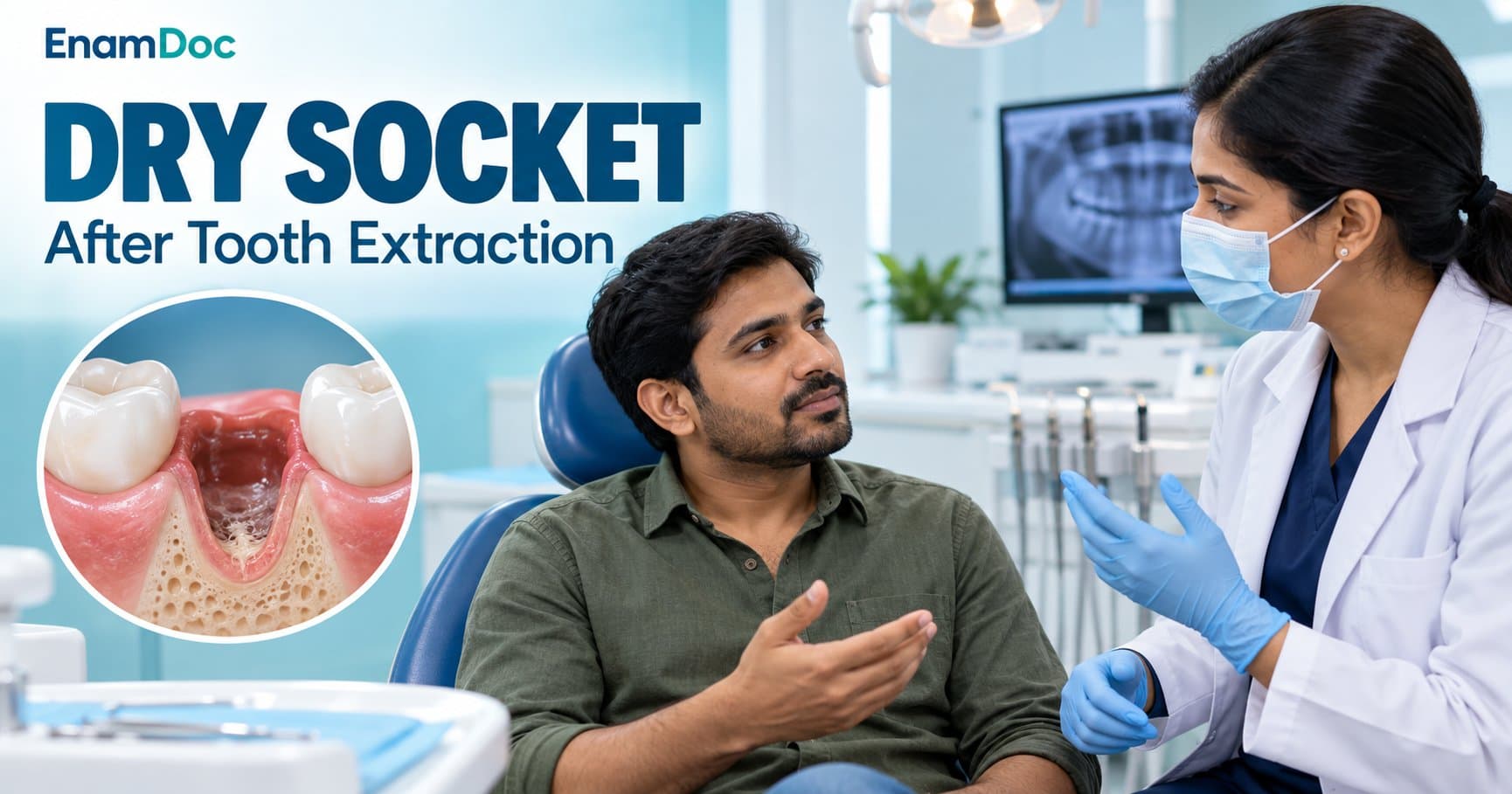
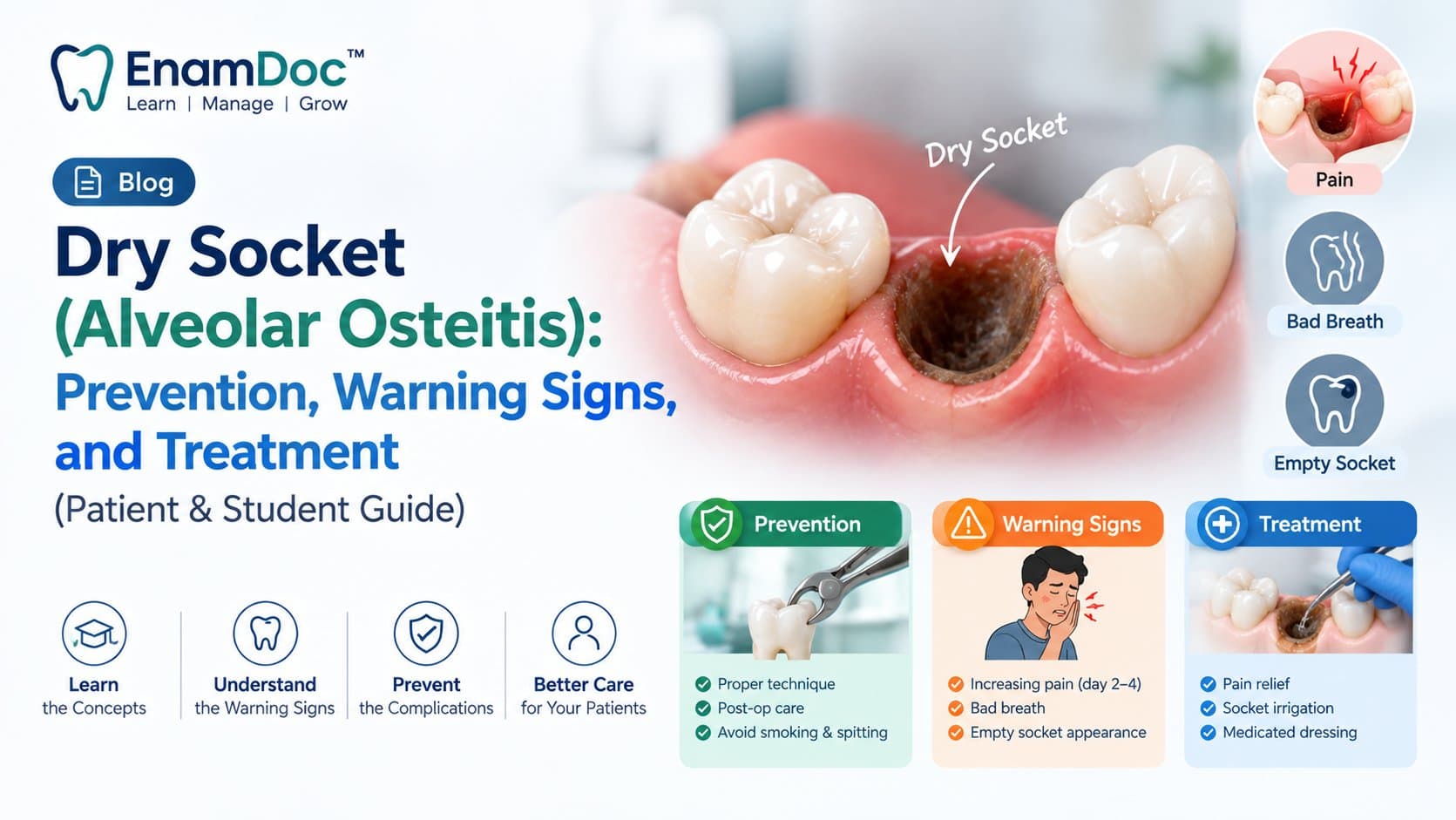
Dry socket is one of the most painful complications after a tooth extraction. Dr. Aditya Swami explains what it is, how to spot it early, and exactly what your dentist will do to treat it.
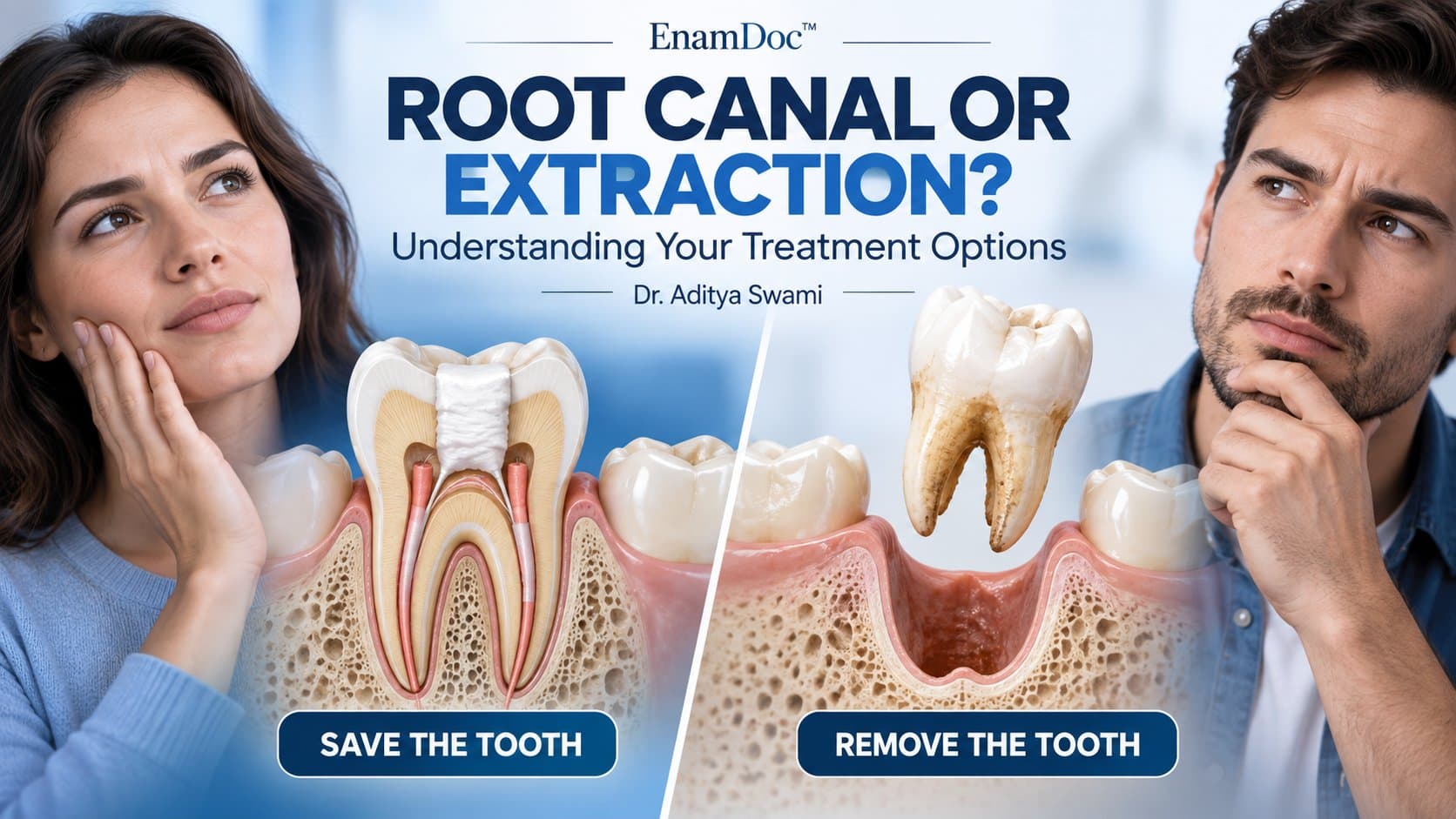
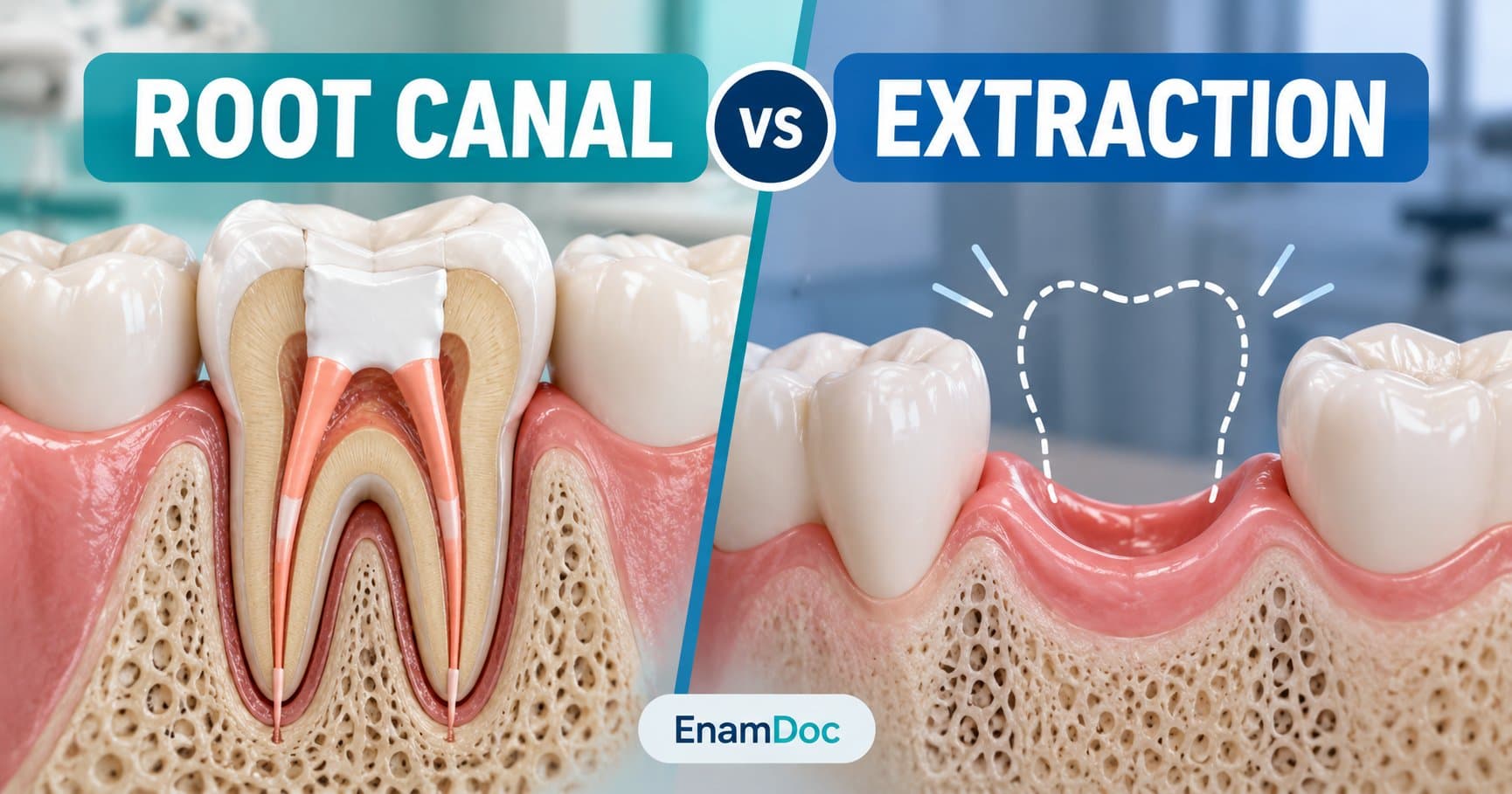
Your dentist says you have two options: save the tooth or remove it. Dr. Aditya Swami breaks down the key differences between root canal treatment and extraction — and how to decide what's right for you.
Teeth whitening often causes temporary sensitivity — but how do you know when it's normal and when it signals a problem? Dr. Khanak Jain explains the causes, timeline, and when to call your dentist.
Noticing blood on your toothbrush is common but not normal. Find out why gums bleed, when it signals something serious, and what steps actually stop the bleeding.
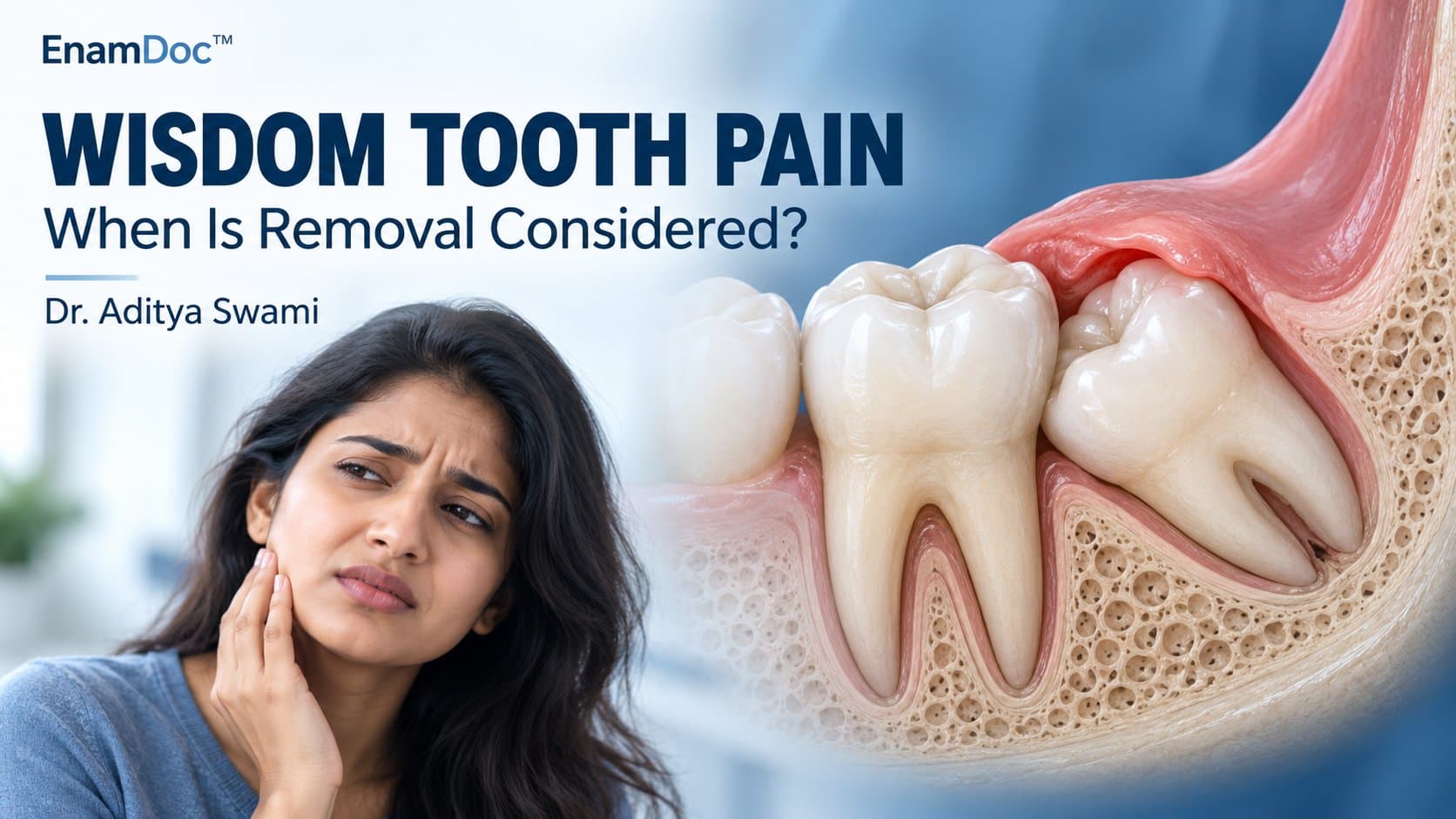
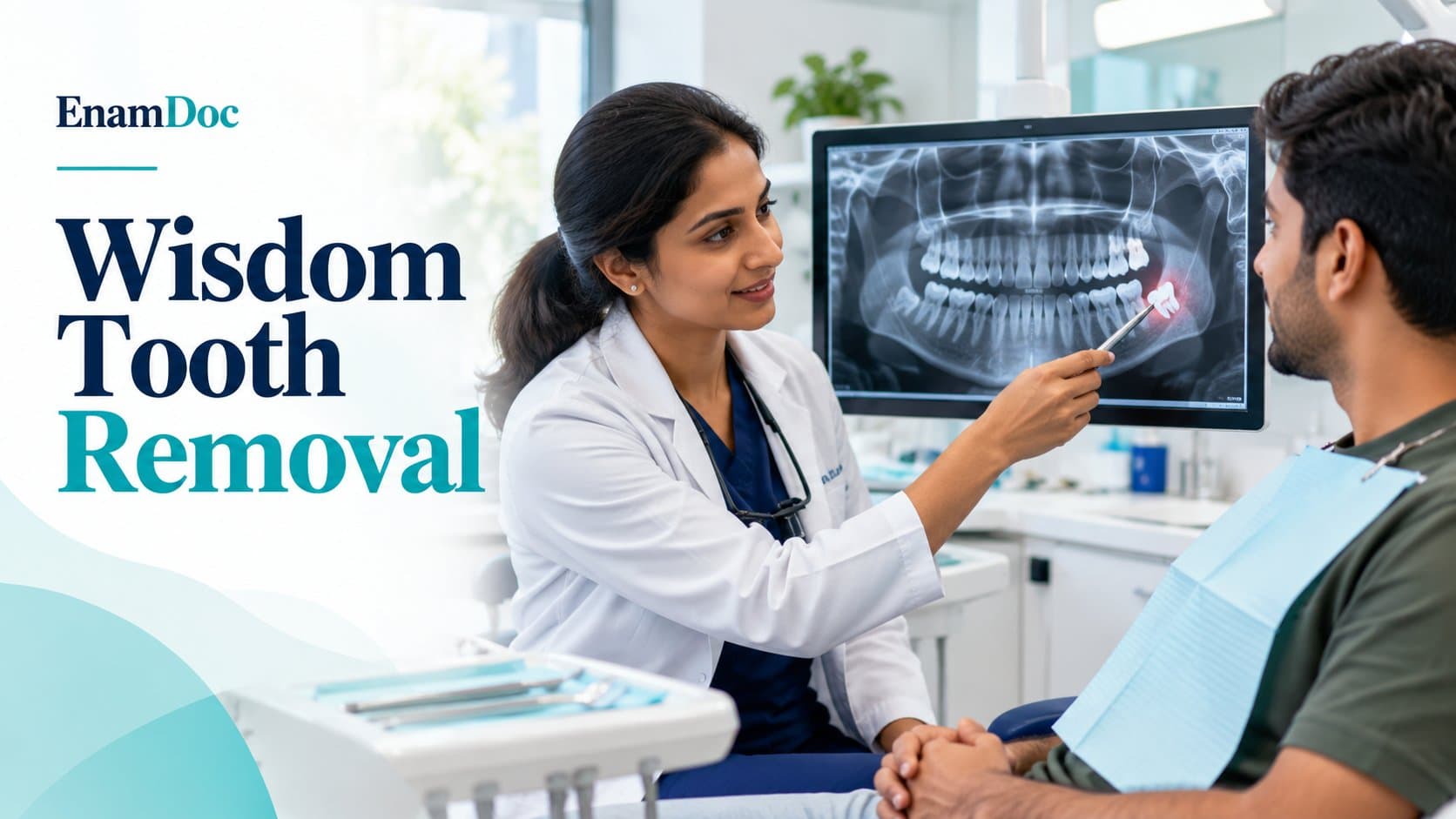
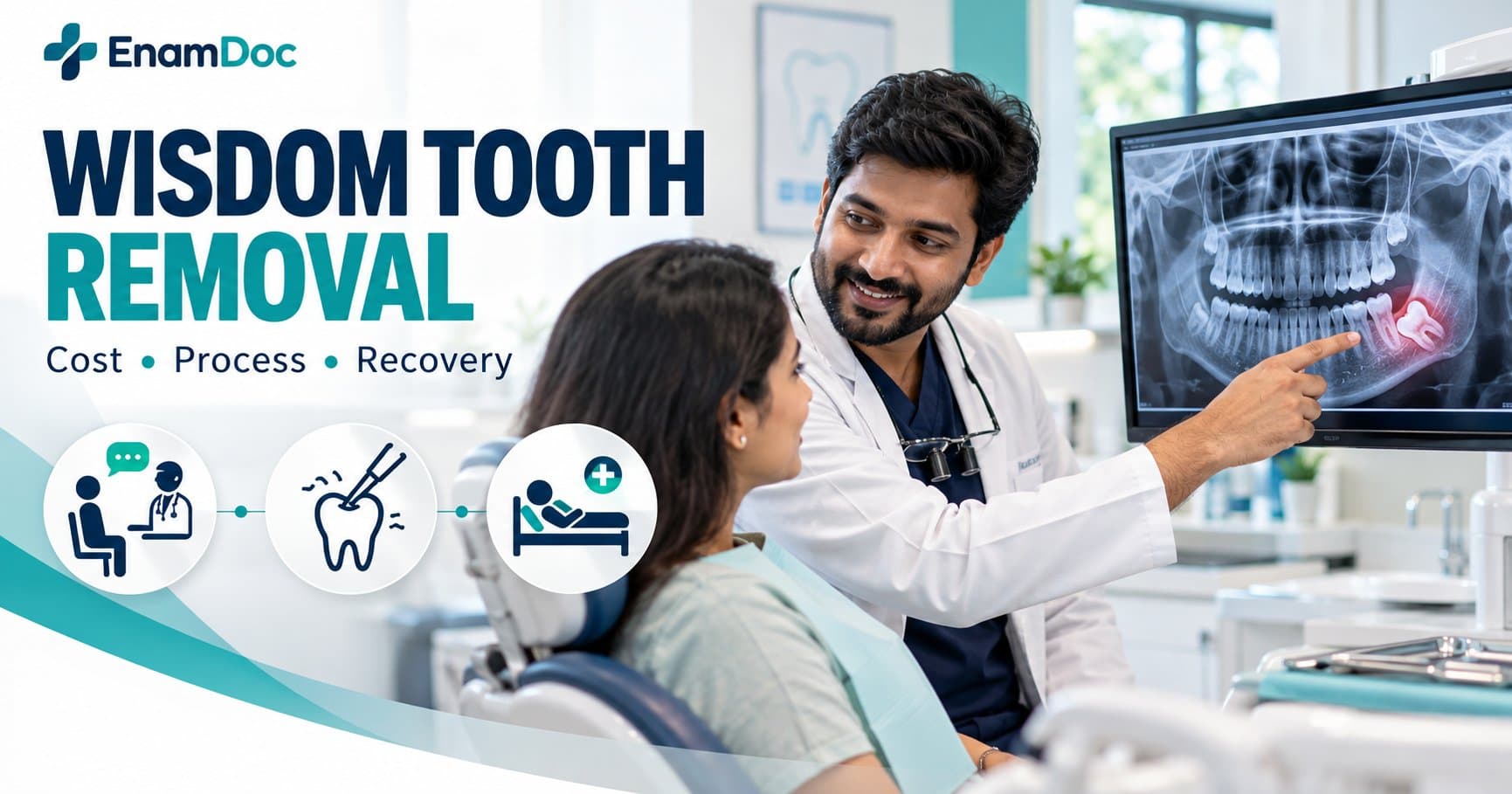
Not all wisdom tooth pain means extraction. This guide explains when removal is genuinely necessary, when monitoring is fine, and what to expect from the procedure if you do need it.
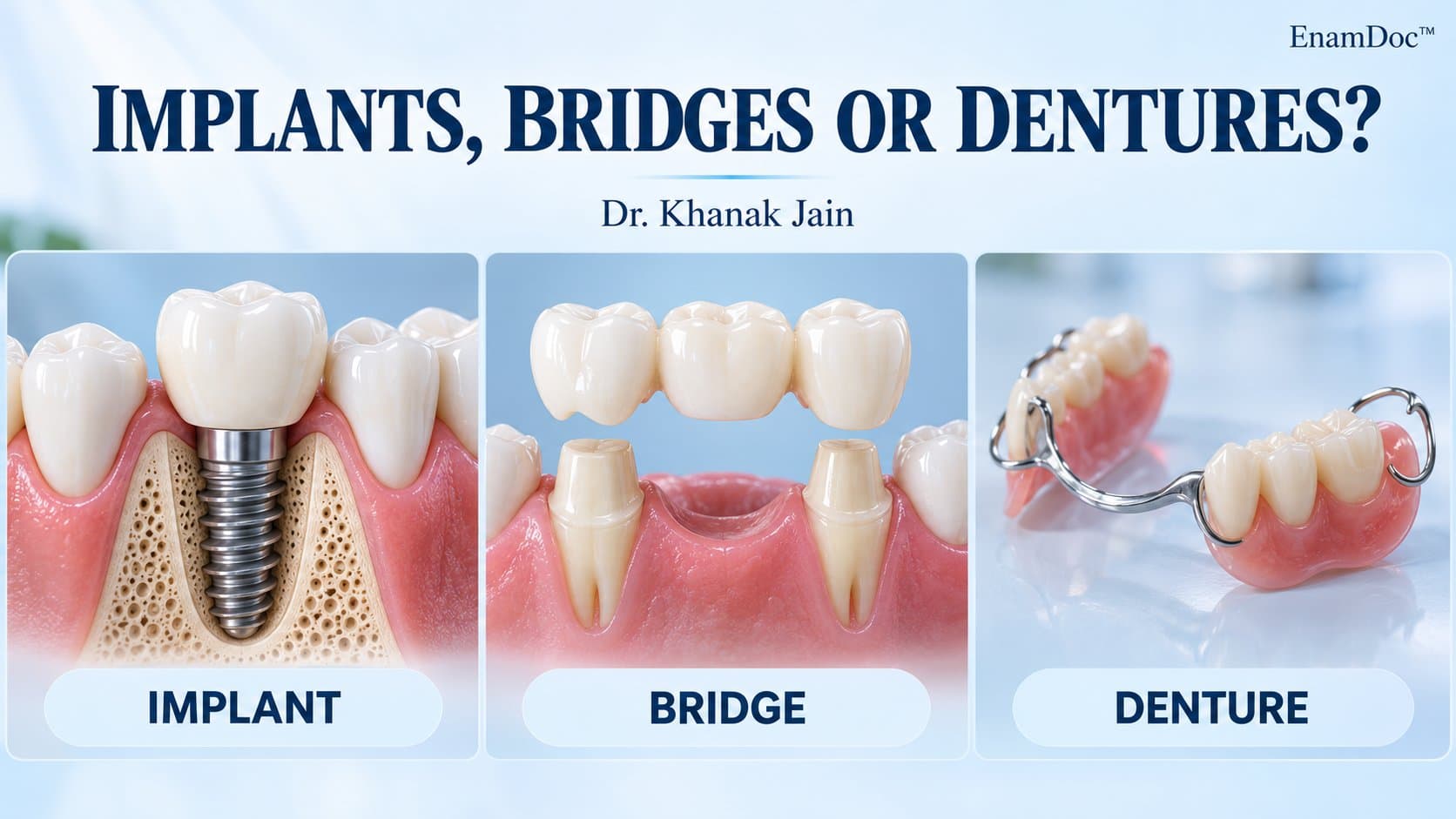
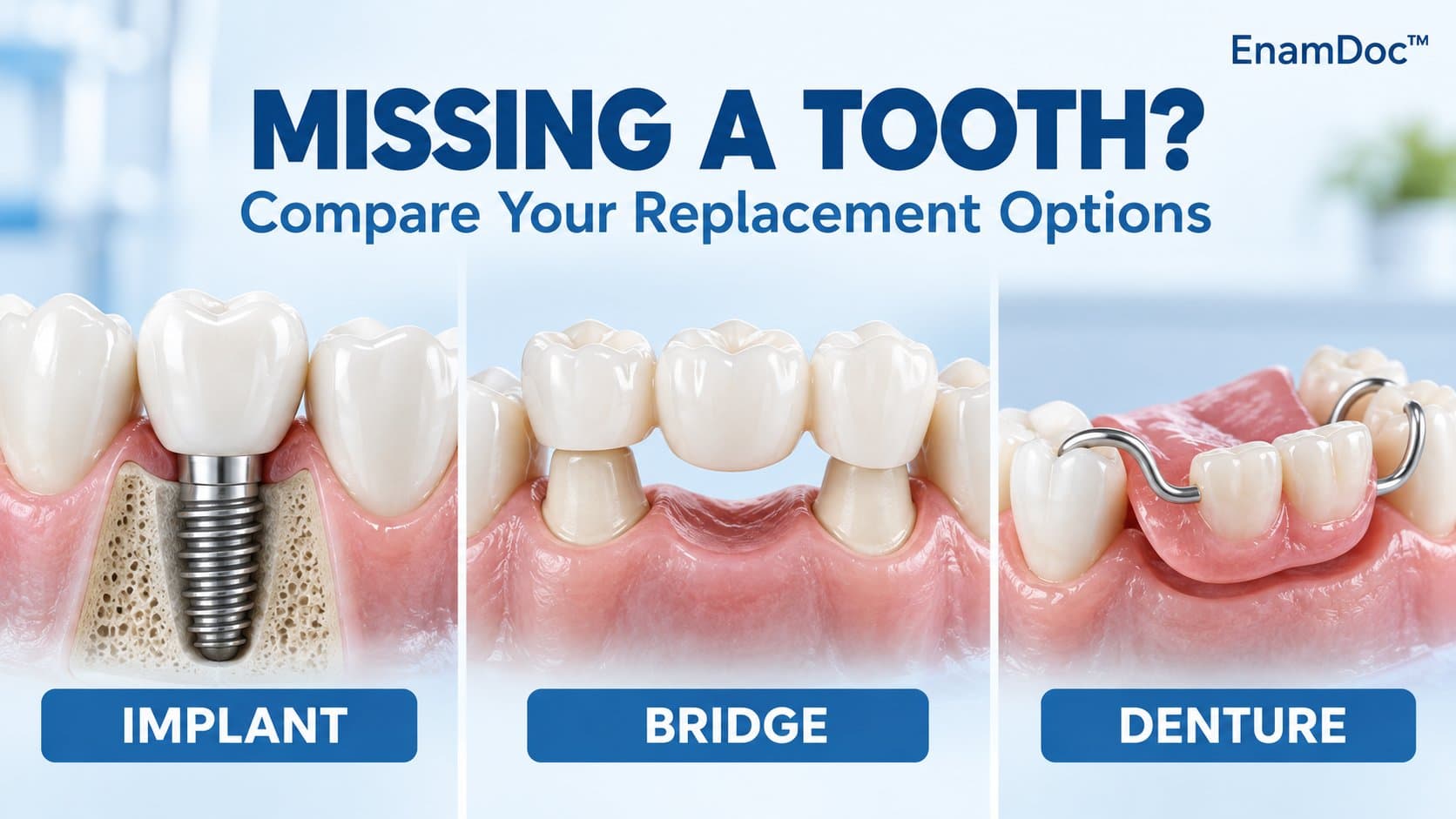
Missing a tooth and not sure which replacement option to choose? This guide compares dental implants, bridges, and dentures — so you can pick the option that suits your budget, lifestyle, and oral health.
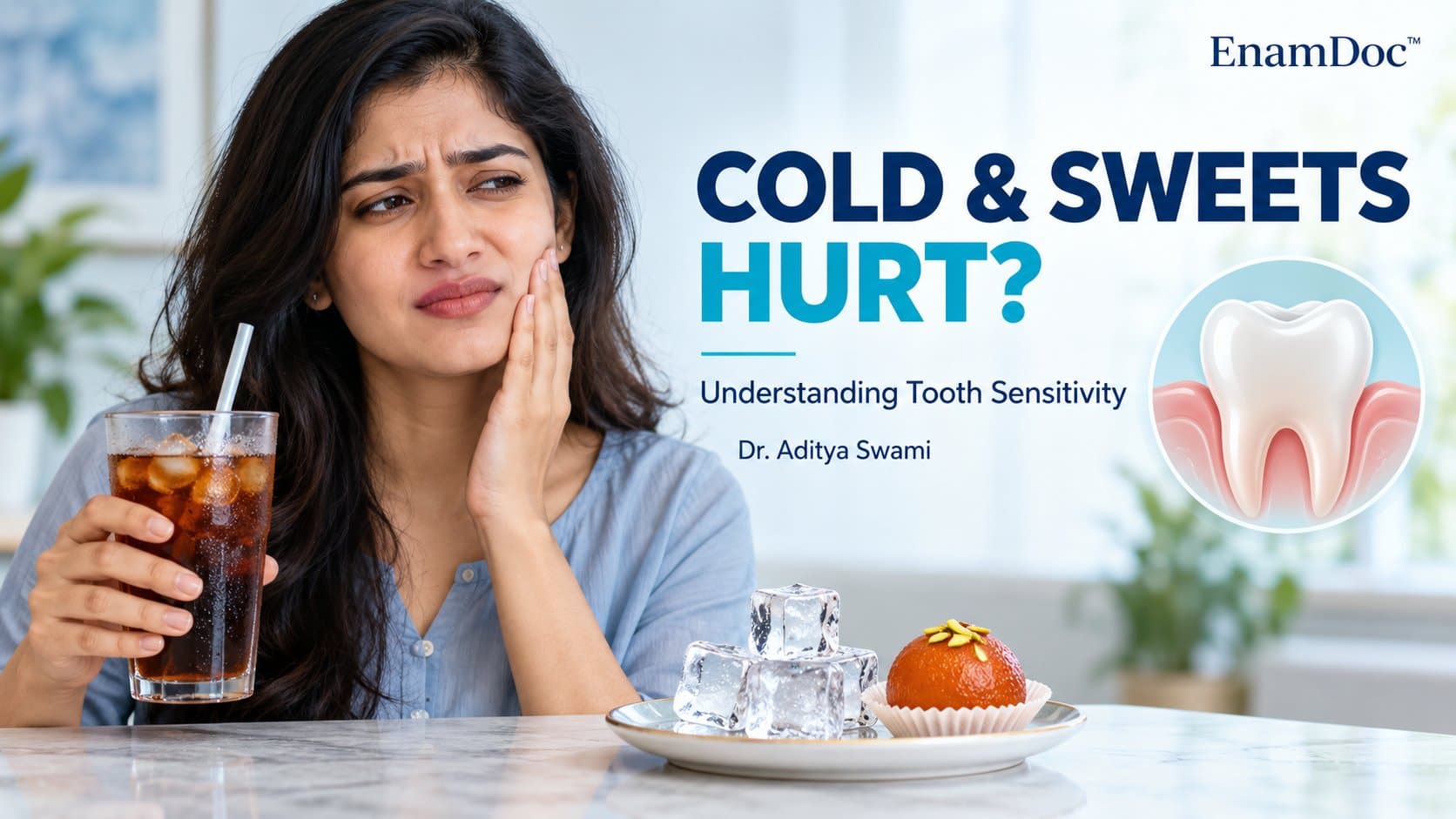
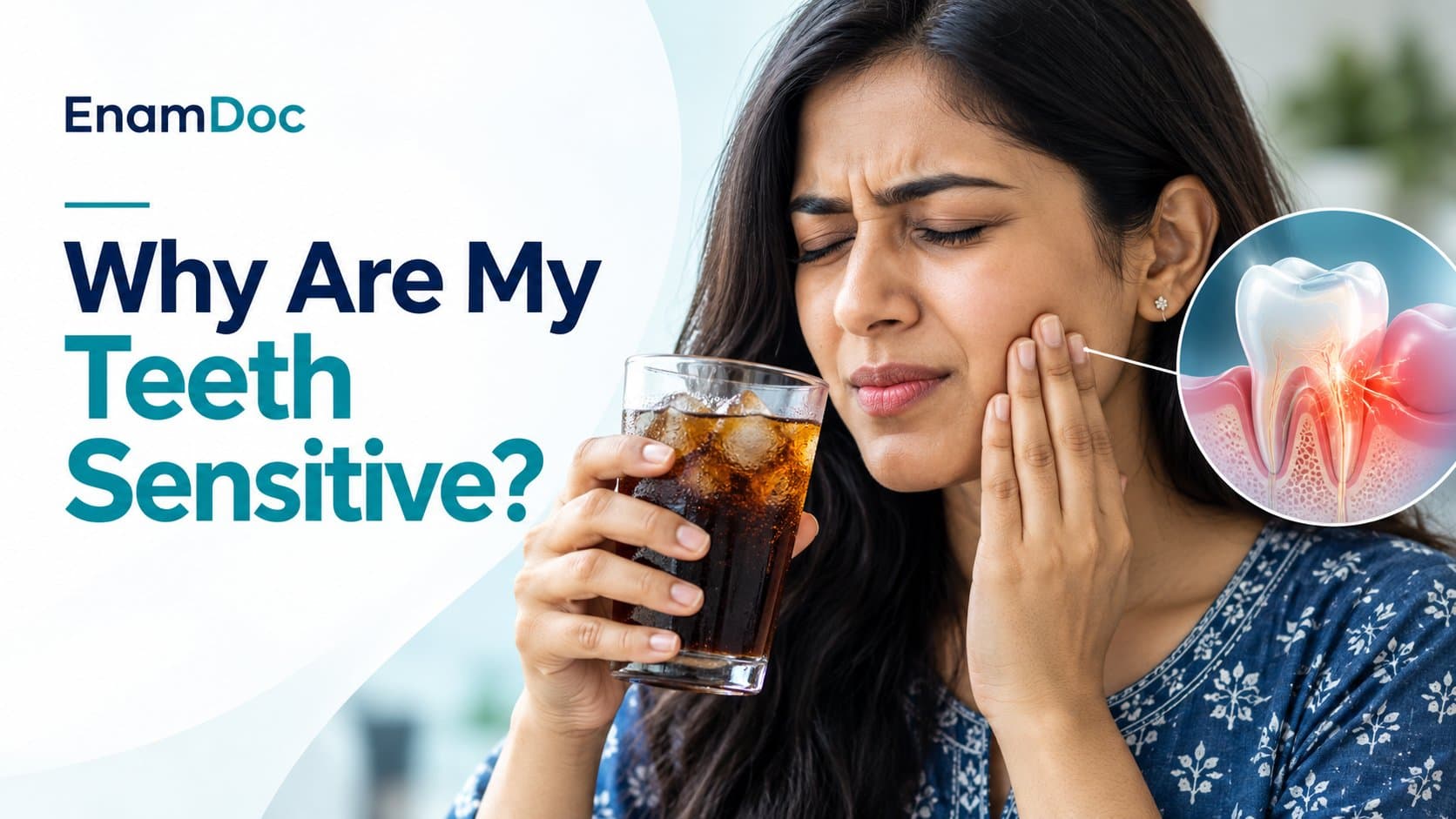
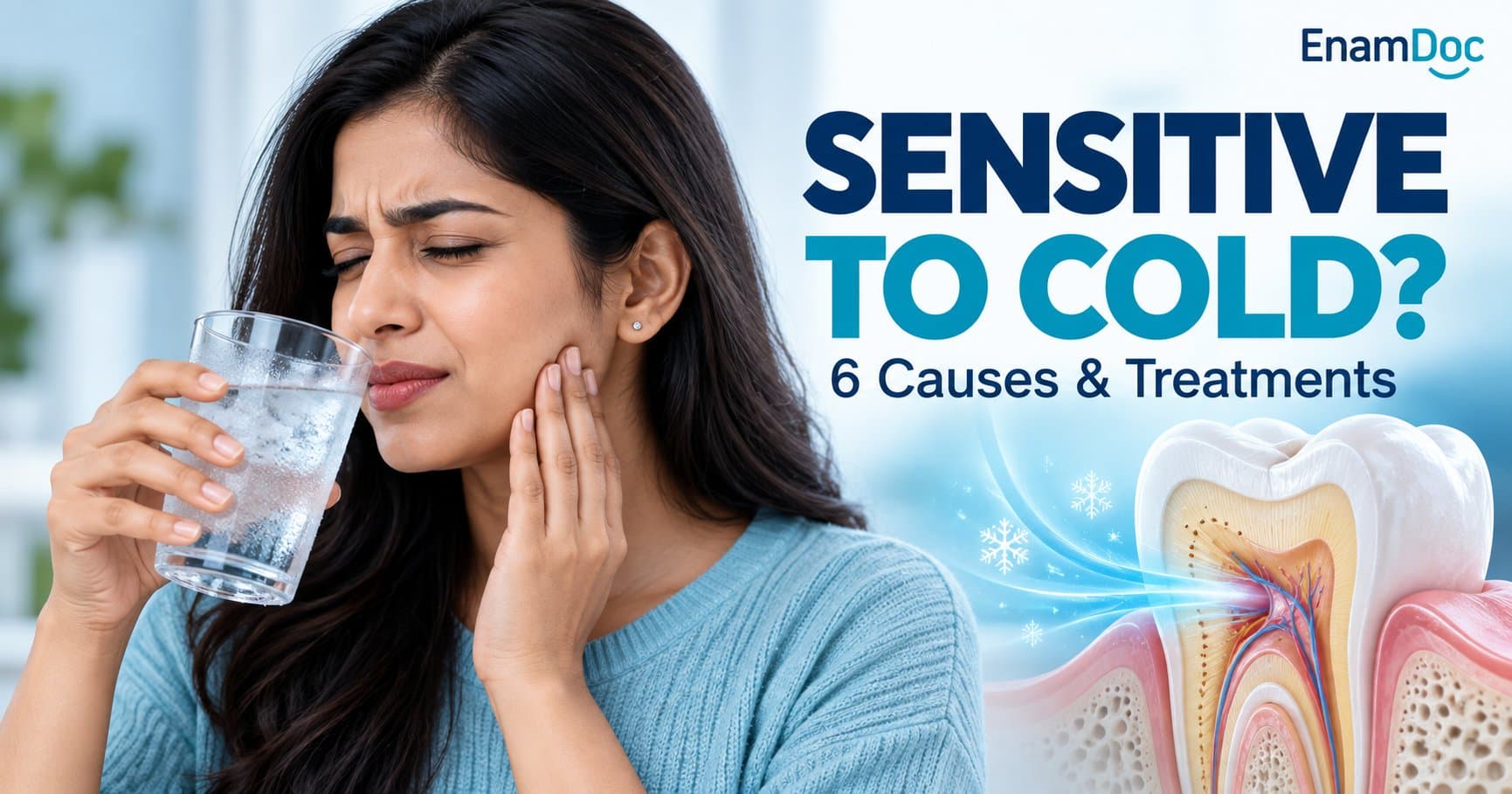
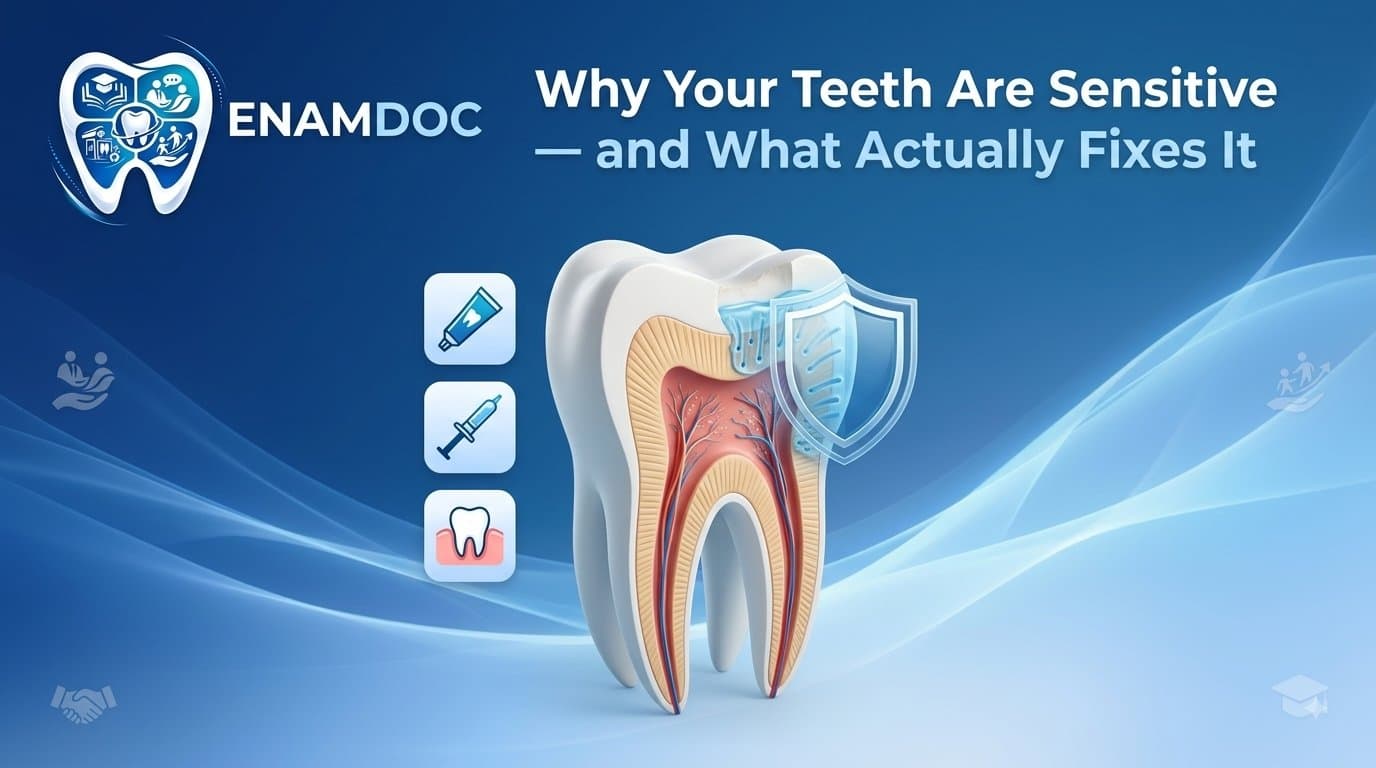
That sharp zing when you sip cold water or bite into something sweet is called dentinal hypersensitivity. Here is what causes it, which treatments actually work, and when to see a dentist.
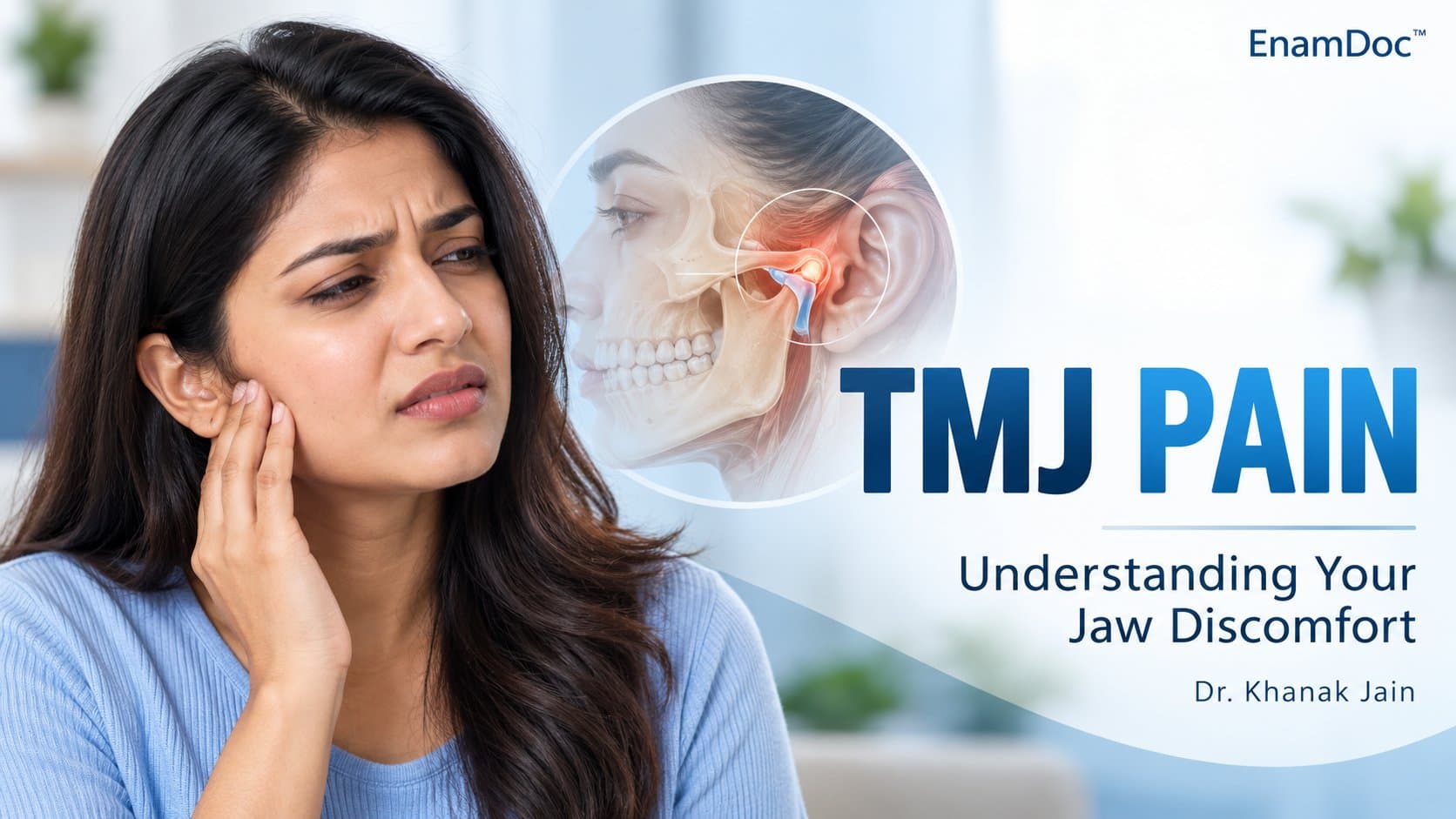
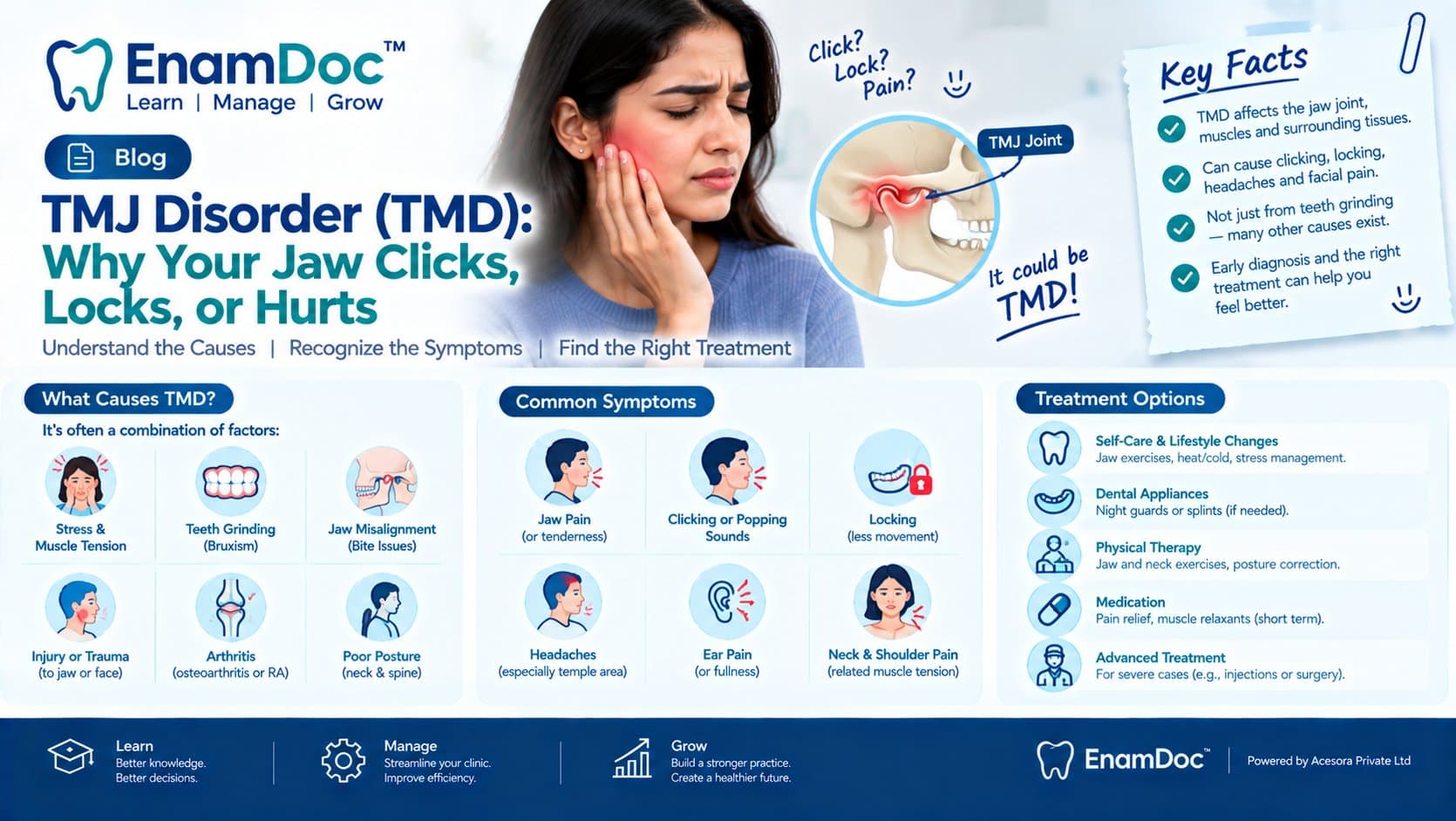
Clicking jaws, facial pain, and morning headaches often point to the temporomandibular joint. Here is what TMJ disorder actually means, why it happens, and how dentists treat it.
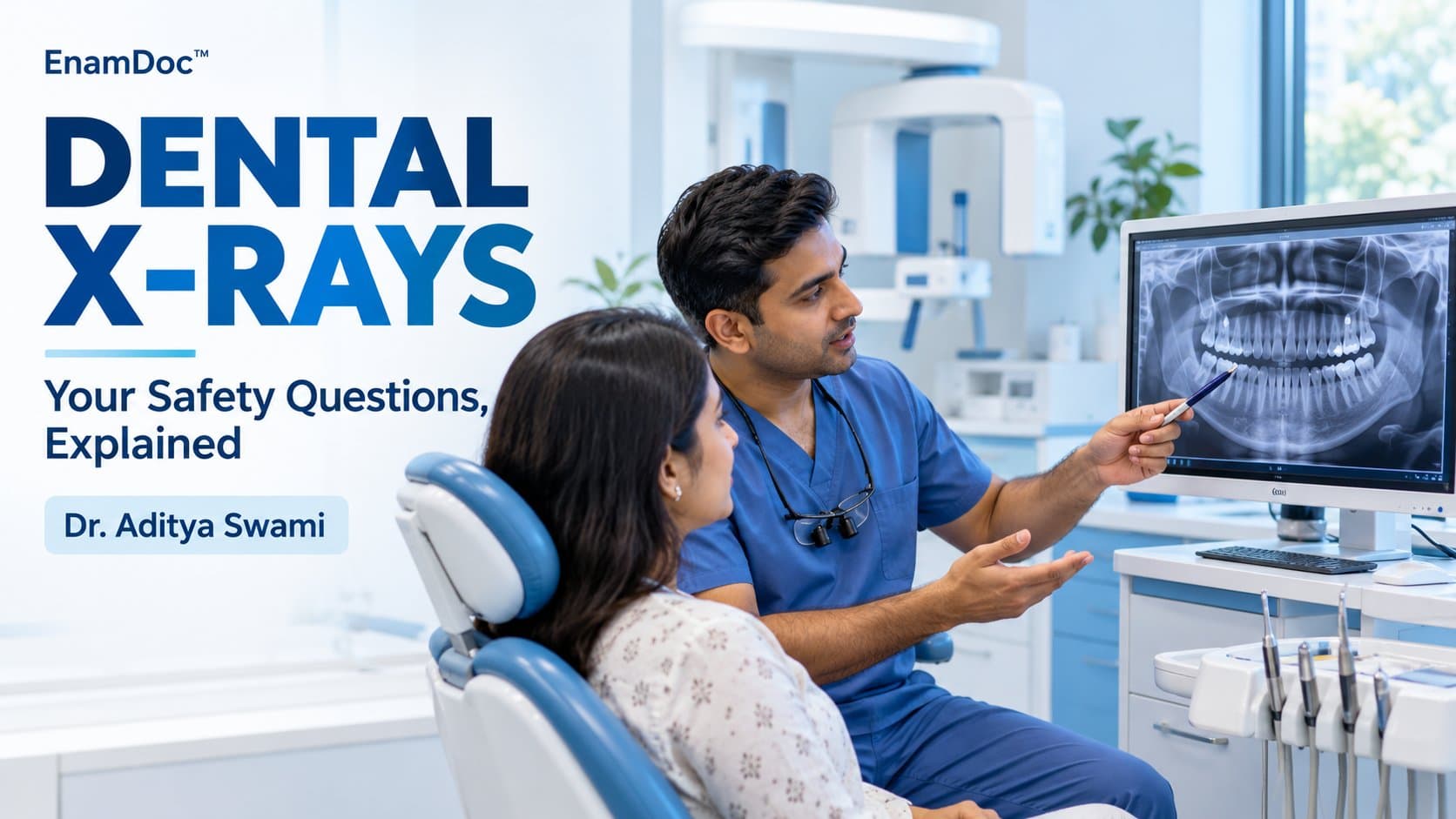
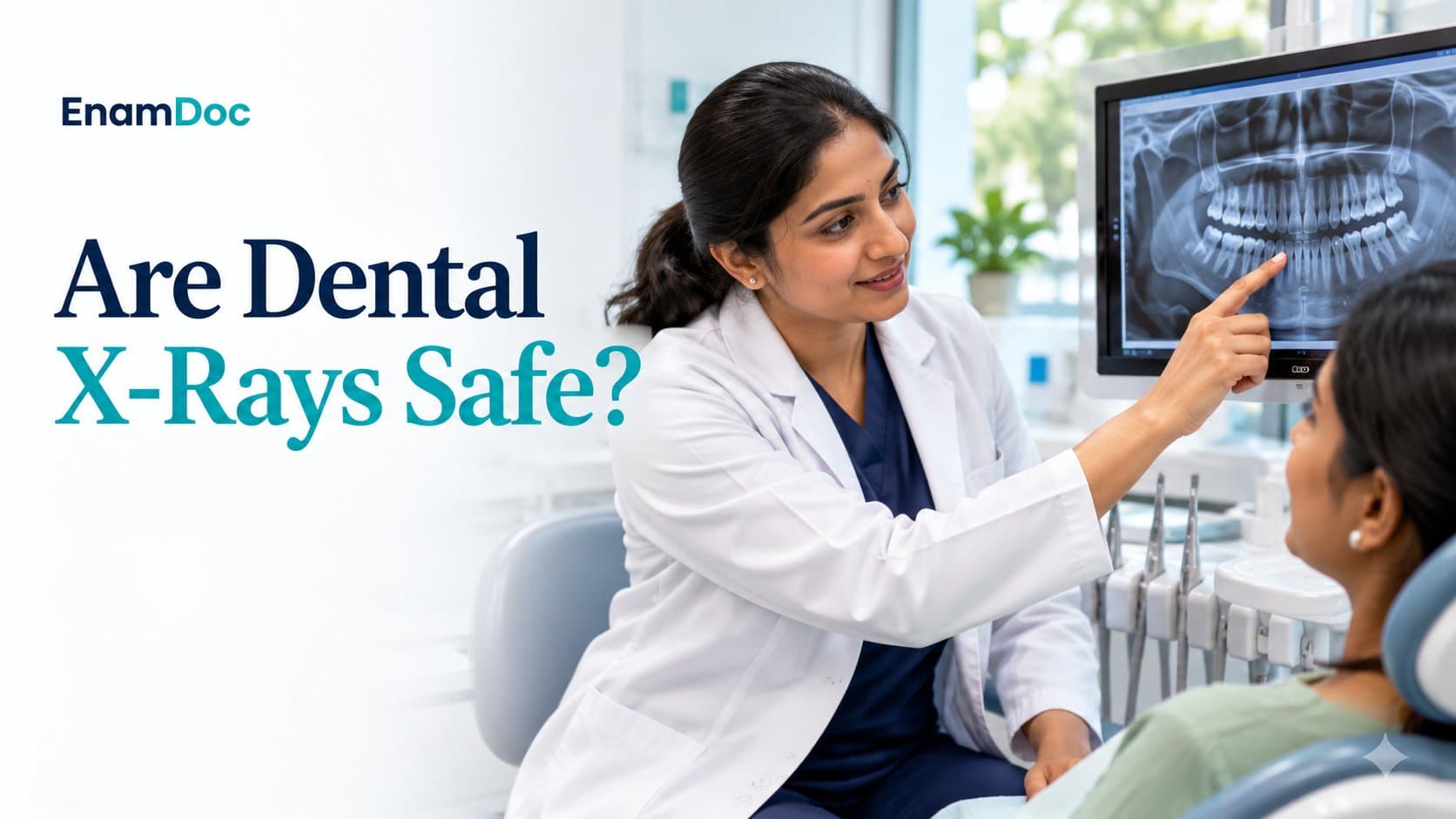
Dental X-ray doses are among the lowest in medicine. Learn the four types dentists use, how often you need them, and the safety measures that protect you.
Tongue scrapers remove bad-breath bacteria more effectively than a toothbrush. Learn what the evidence shows, how to use one correctly, and who benefits most.
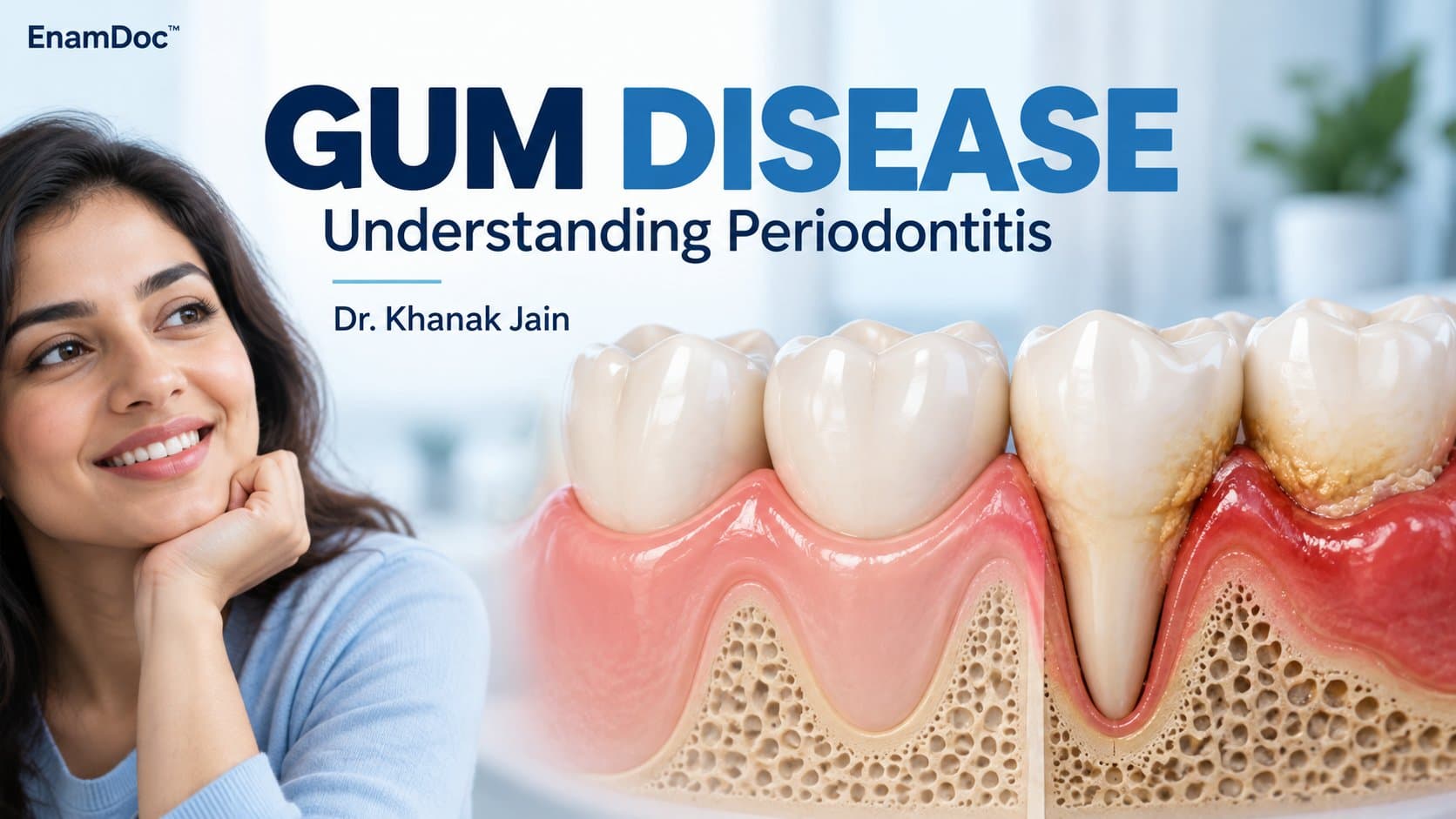
Periodontitis silently destroys the bone around your teeth. Learn the four stages, warning signs, and treatments — from scaling to surgery — that can stop it.
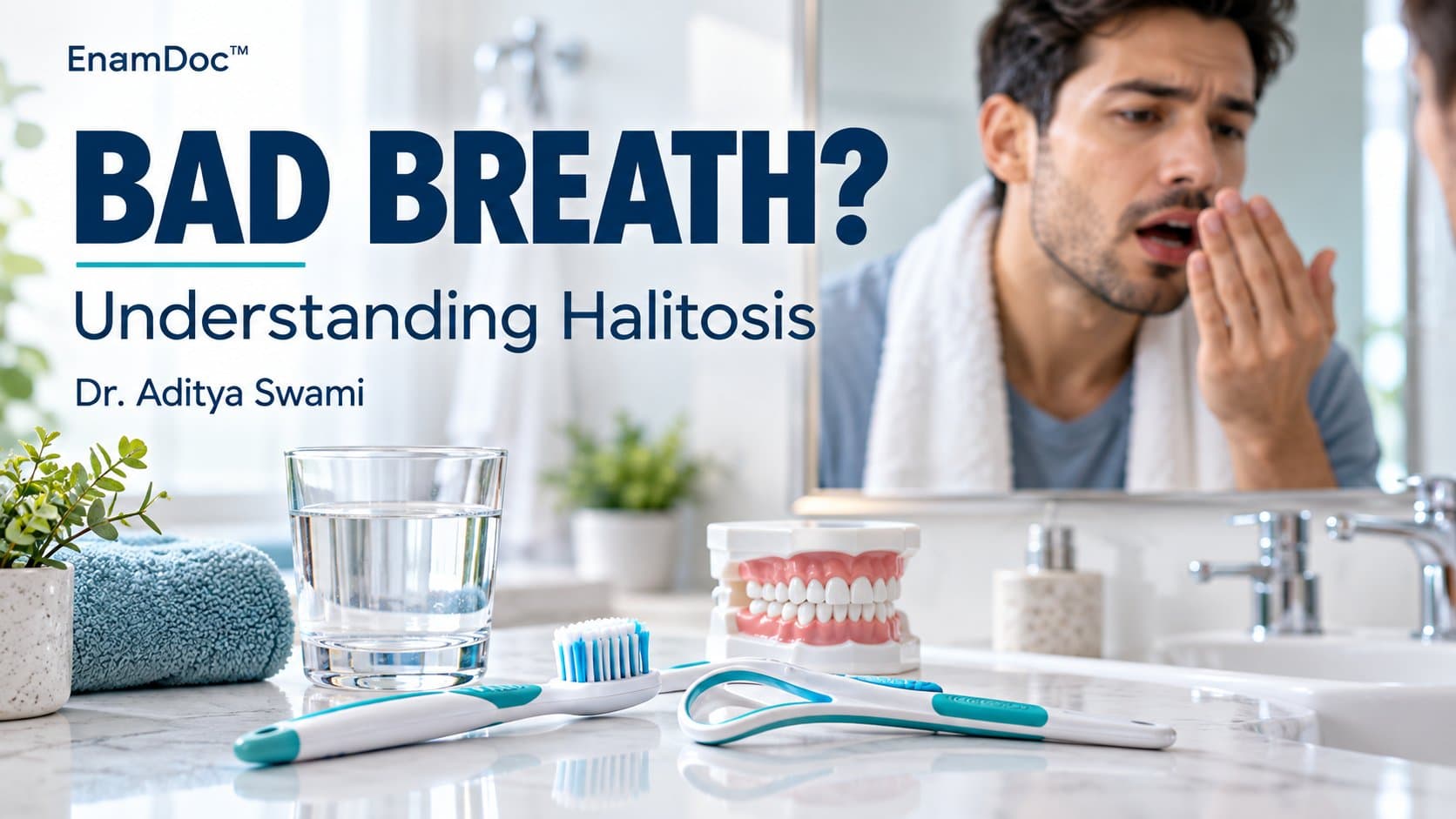
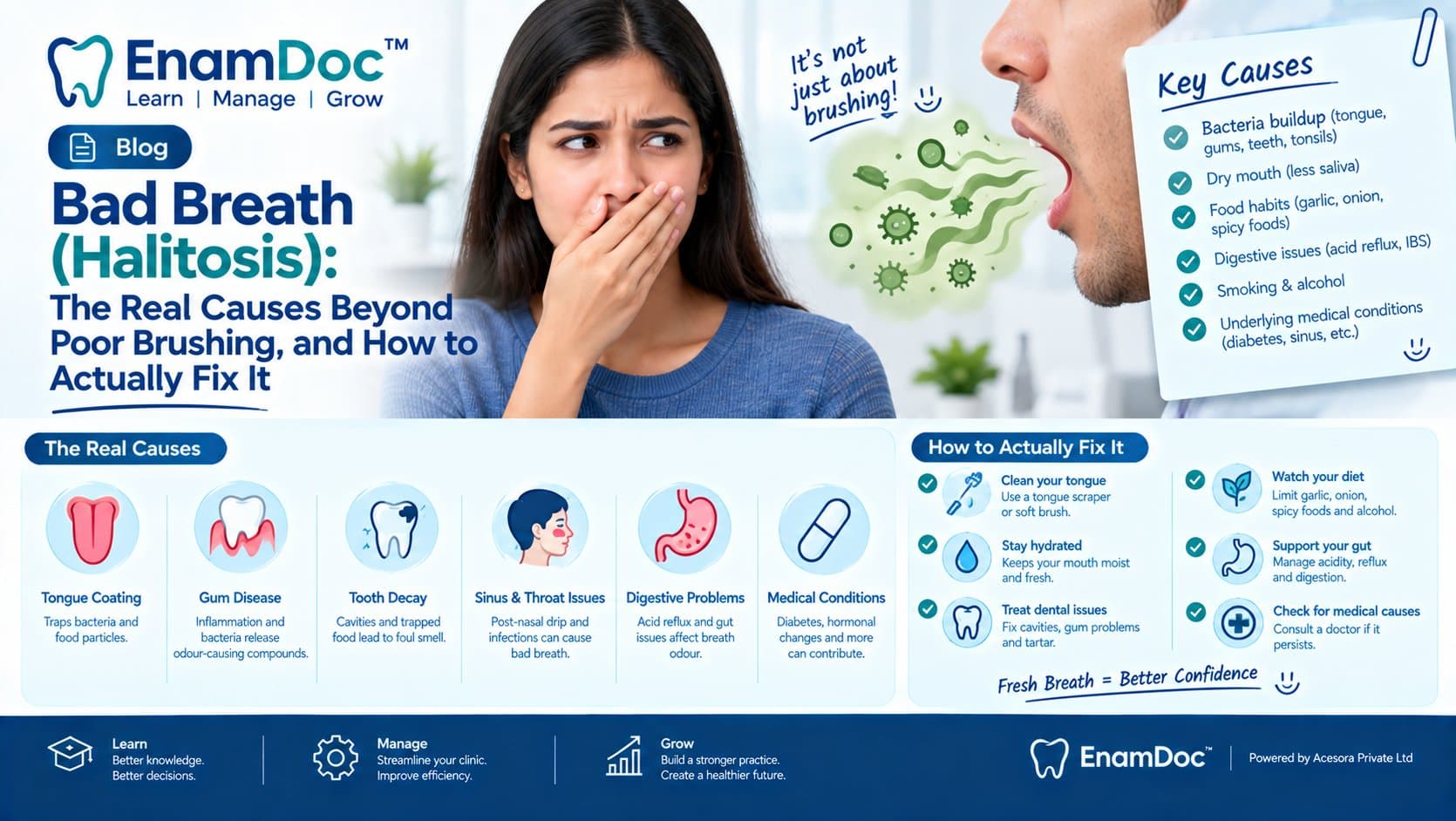
Bad breath is rarely about what you ate. Learn the real causes of halitosis — tongue bacteria, gum disease, dry mouth — and the dentist-backed fixes that work.
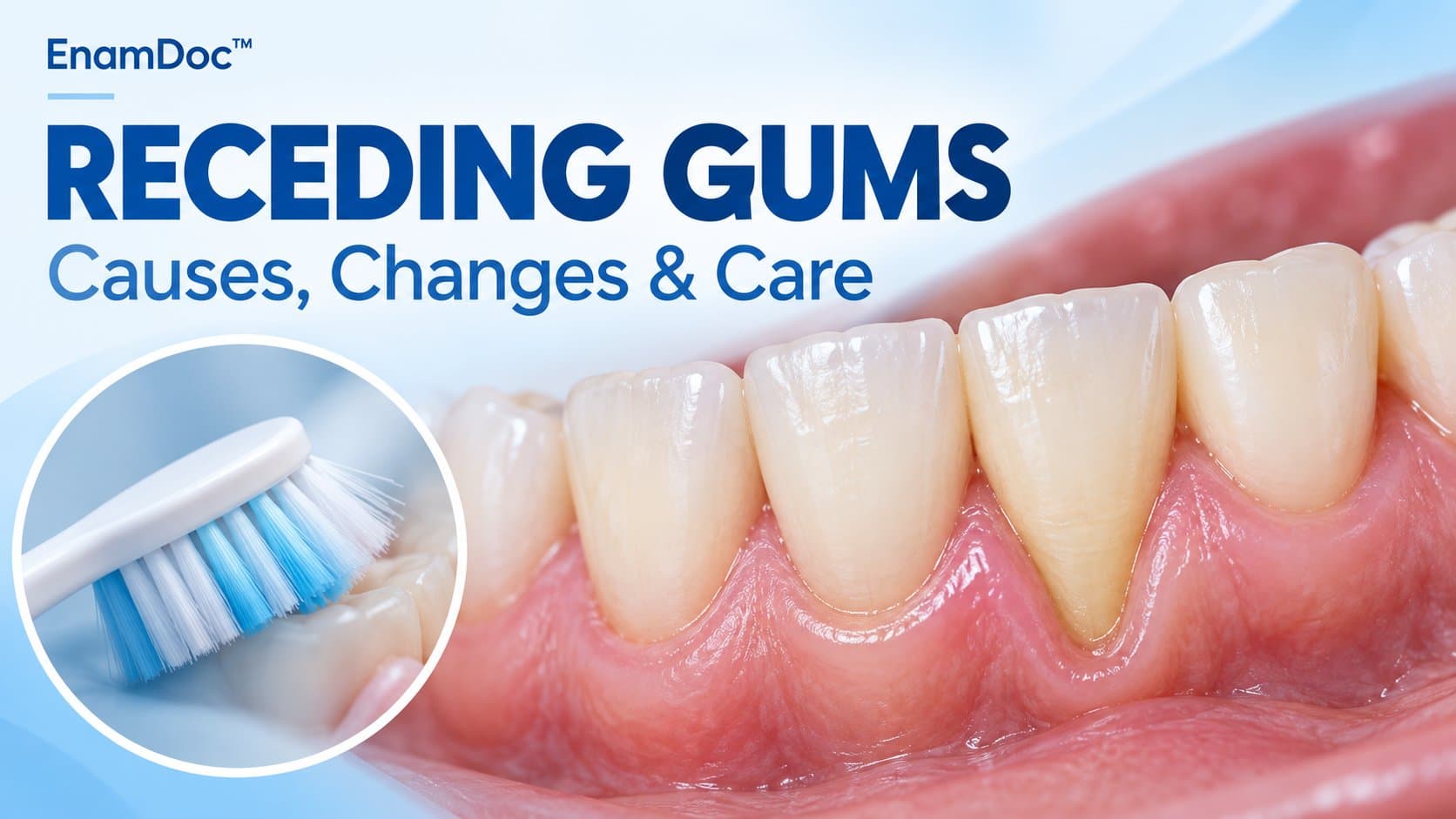
Gum recession is gradual and often painless until it's already advanced. Here's what causes it, how far it can progress if left untreated, and what treatments actually work — based on how severe the recession is.
Each option for replacing a missing tooth has real trade-offs in cost, procedure, lifespan, and daily use. Here's what implants, bridges, and dentures actually involve — so you can have an informed conversation with your dentist.
Most people who grind their teeth at night don't realise they're doing it. Here's what dentists look for, what the damage looks like over time, and what they actually recommend for treatment.
Tooth sensitivity after whitening is almost universal — but it should resolve within 48–72 hours. Here's the clinical picture: what's happening inside your teeth, what counts as normal, and the few signs that mean you should call your dentist.
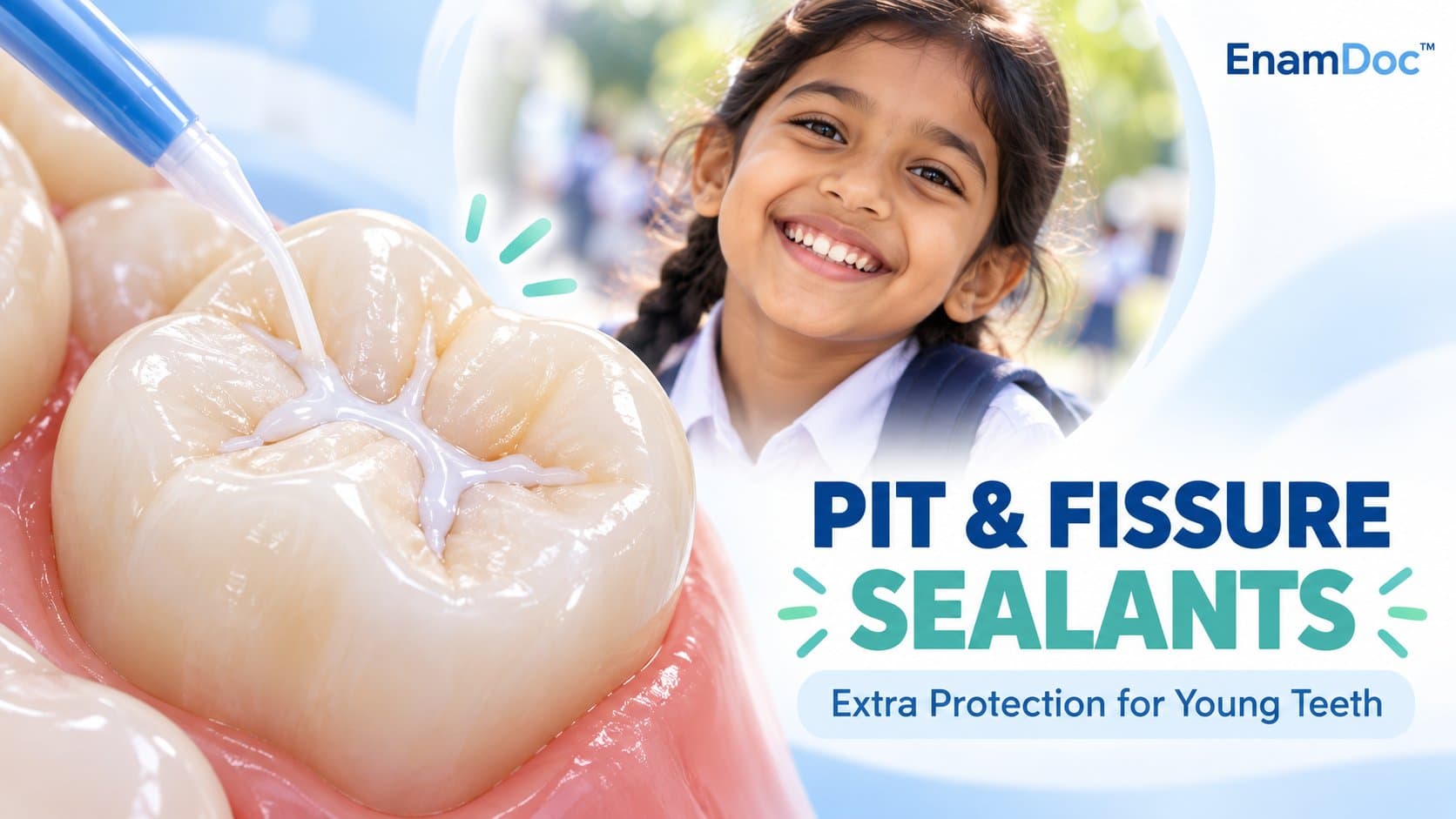
Dental sealants are one of the most cost-effective and painless ways to prevent cavities in children — yet most parents have never heard of them. Here's what they are, how they work, and whether your child needs them.
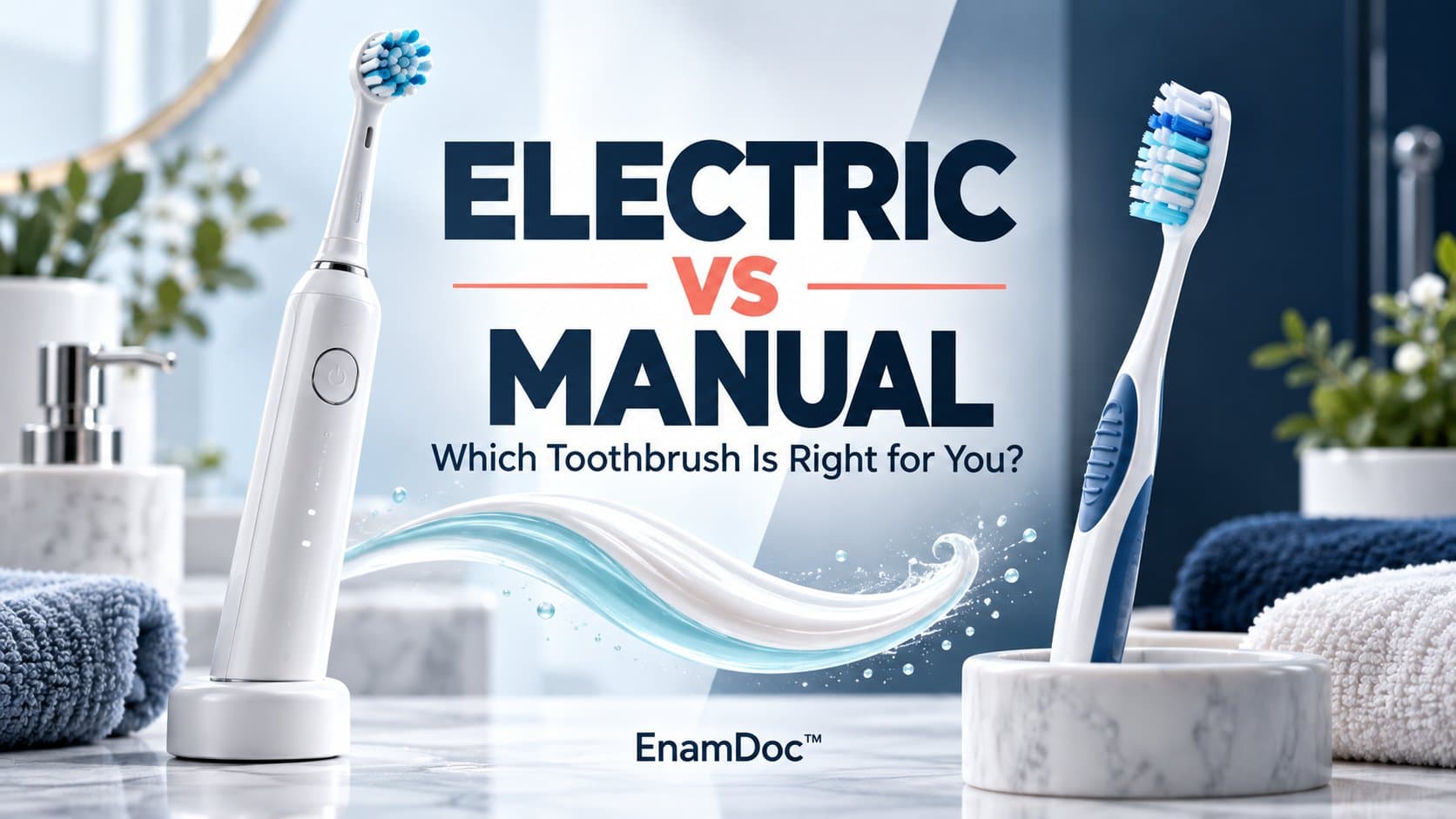
Electric toothbrushes have clear advantages for many people — but they're not always necessary. Here is what the evidence actually shows about plaque removal, gum health, and whether a ₹3,000 brush genuinely outperforms a ₹50 one.
Pregnancy changes your mouth more than most expectant mothers expect. Hormones make gums bleed more easily, certain treatments need careful timing, and dental emergencies still require treatment. Here is what you actually need to know.
If you have been told you have mild or moderate sleep apnea, a dentist-fitted oral appliance may be an effective alternative to a CPAP machine. Here is what the device actually does, who qualifies, and what to expect in India.
Patients often wonder whether dental X-rays are really necessary and whether the radiation is a concern. Here is what dental X-rays actually reveal, how often you genuinely need them, and the real answer on radiation safety.
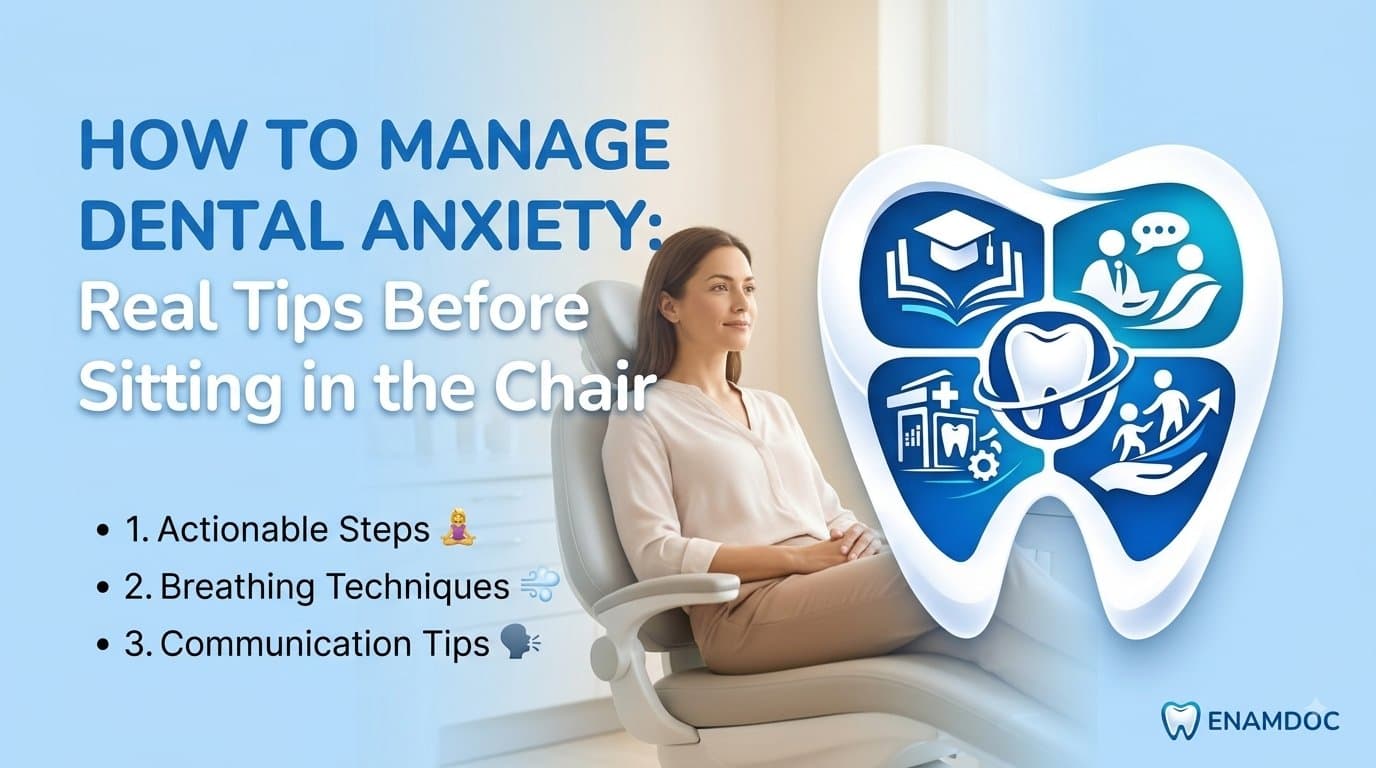
Fear of the dentist keeps millions of Indians from getting care they urgently need. Dental anxiety is real and common — but it is also manageable. These evidence-based strategies work before, during, and after your appointment.
Most Indian parents take their children to a dentist only when something hurts. Dentists recommend the first visit much earlier — and for good reasons. Here is the timeline, what to expect, and how to build a dental habit that lasts a lifetime.
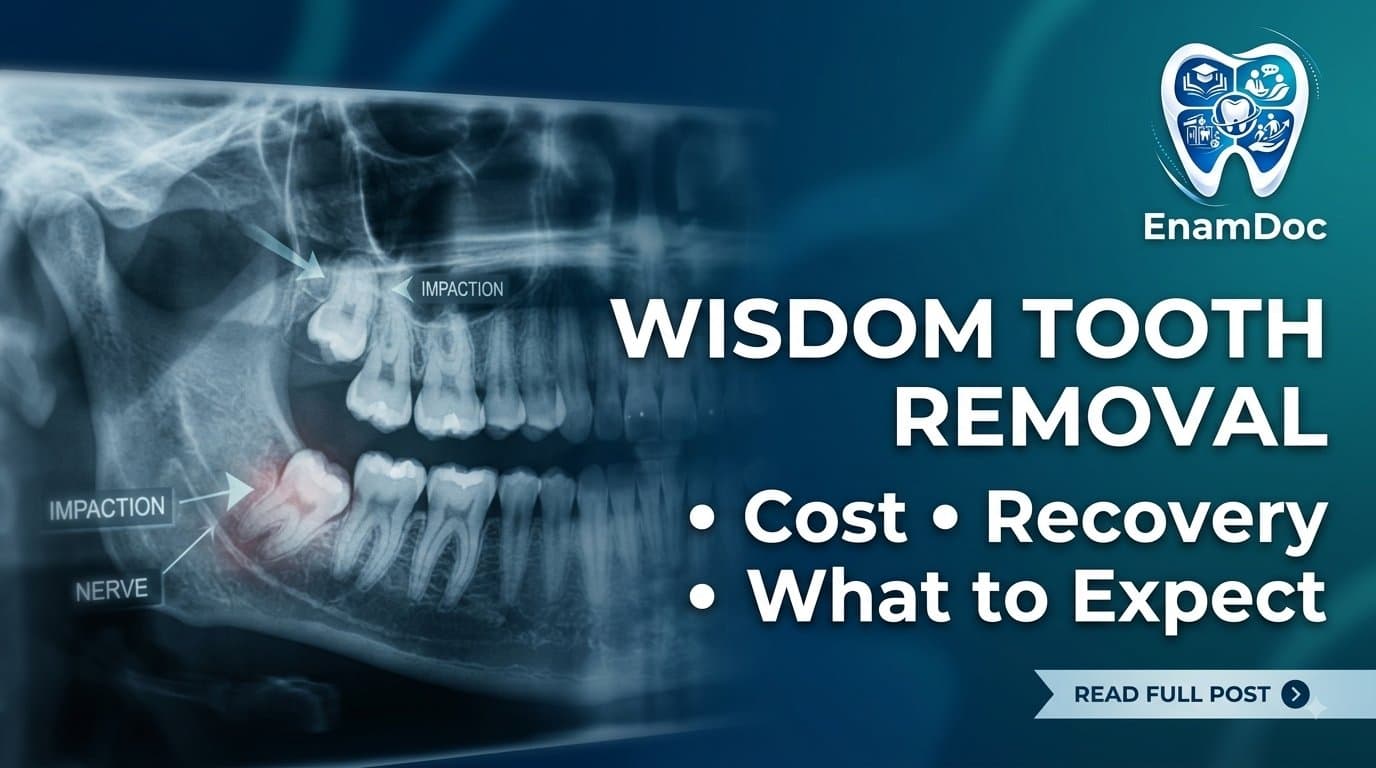
Wisdom teeth cause problems for millions of Indians in their late teens and twenties — but not everyone needs them removed. This guide explains when extraction is actually necessary, what the procedure involves, and how to recover quickly.
If cold water, sweet foods, or even breathing cold air makes your teeth ache, you have dentin hypersensitivity. It is one of the most common dental complaints in India — and one of the most treatable. Here is what causes it and what genuinely works.
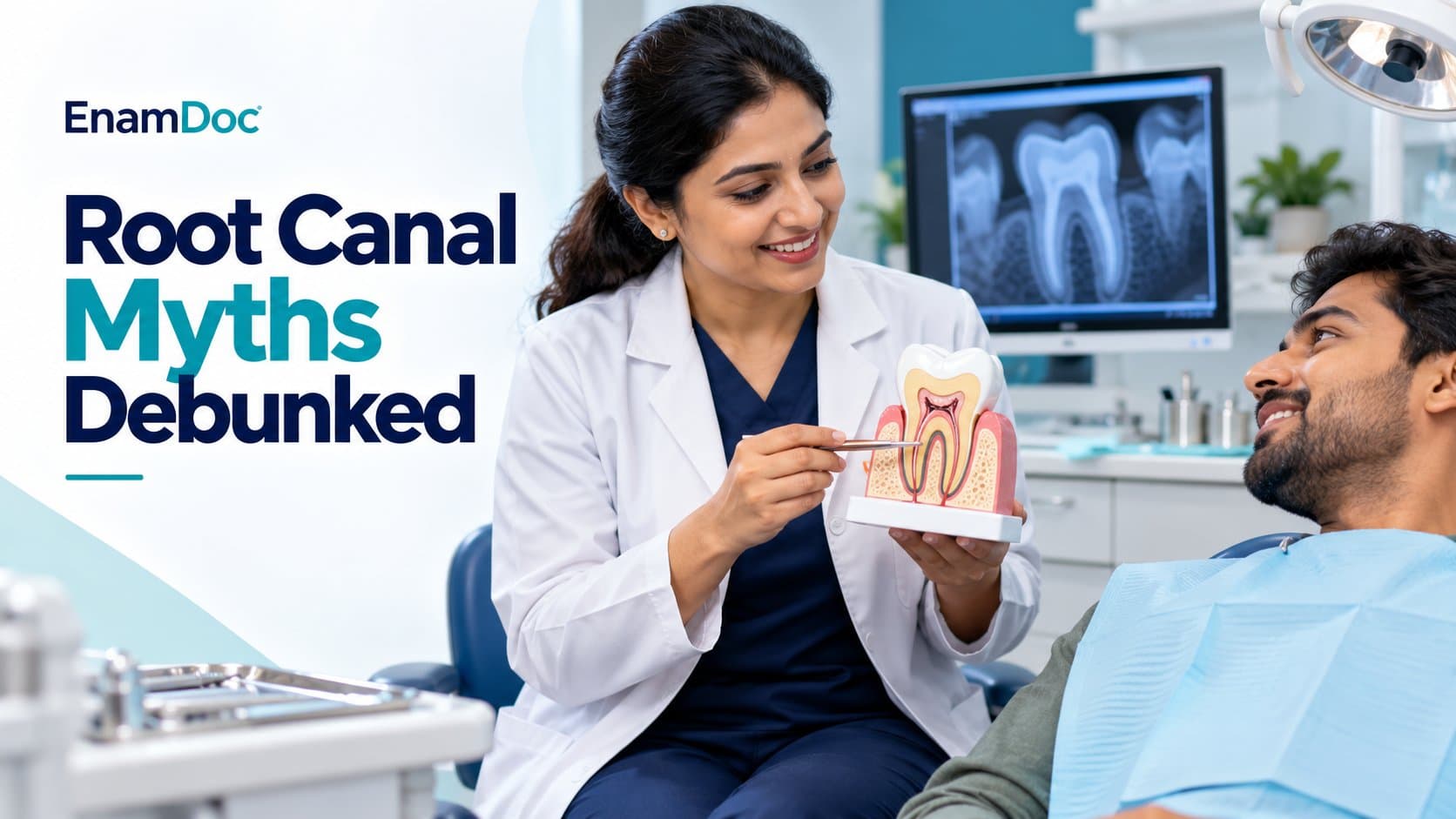
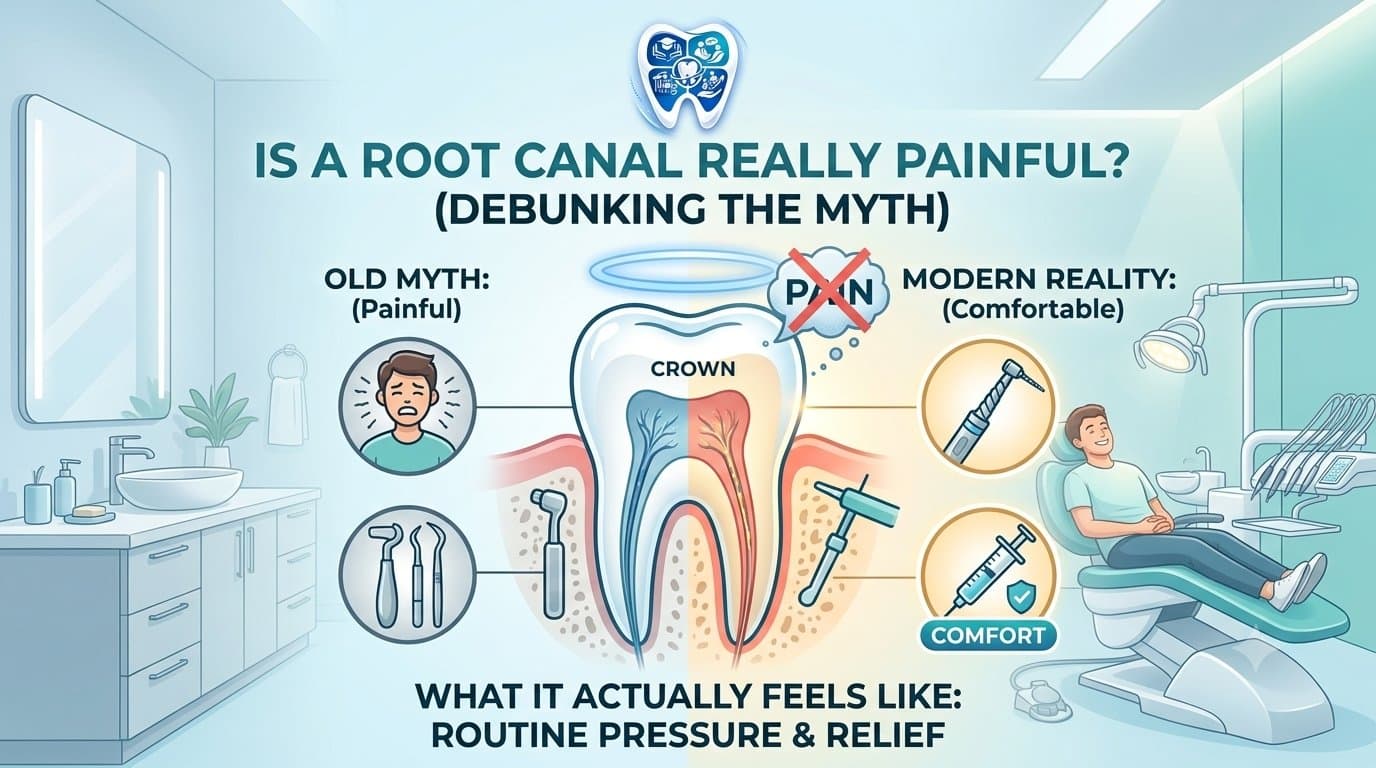
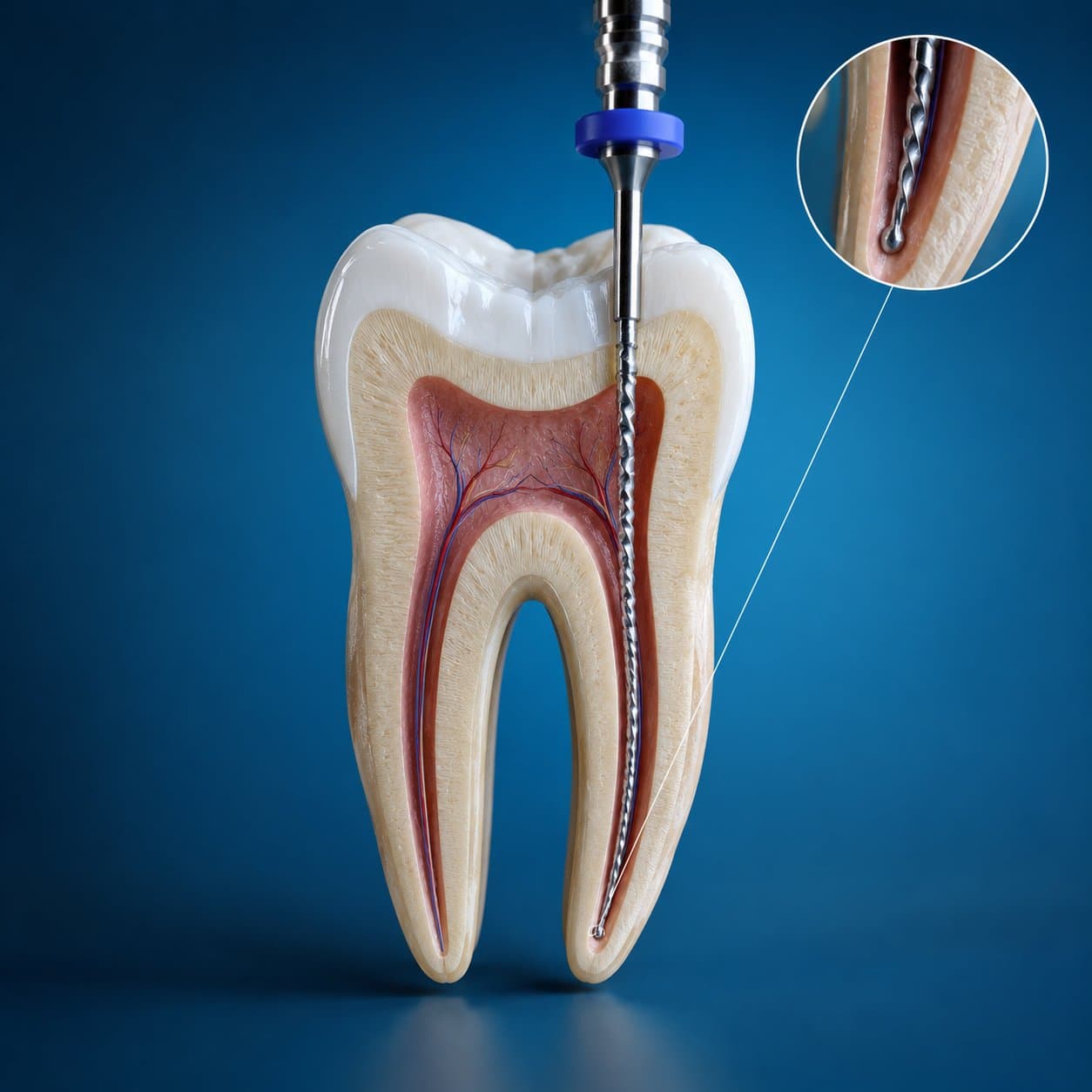
Root canals have an undeserved reputation as the most painful procedure in dentistry. With modern anaesthesia and techniques, most patients say it feels no worse than a filling. Here is the truth behind the most common myths.
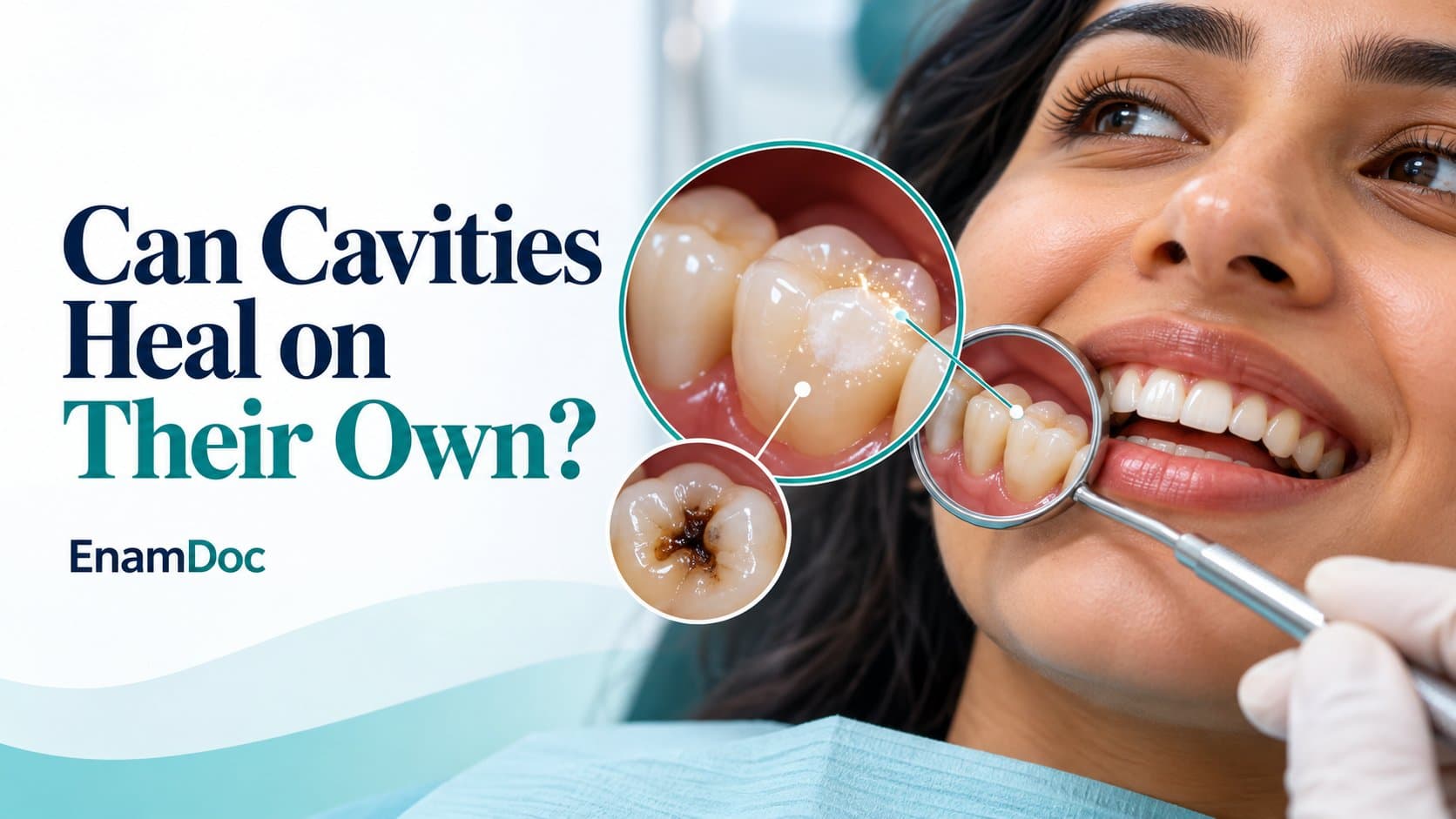
Early-stage cavities can actually reverse — but only under specific conditions. Here is what the science says about remineralisation, when it works, what accelerates it, and the point at which a cavity absolutely requires a dentist.
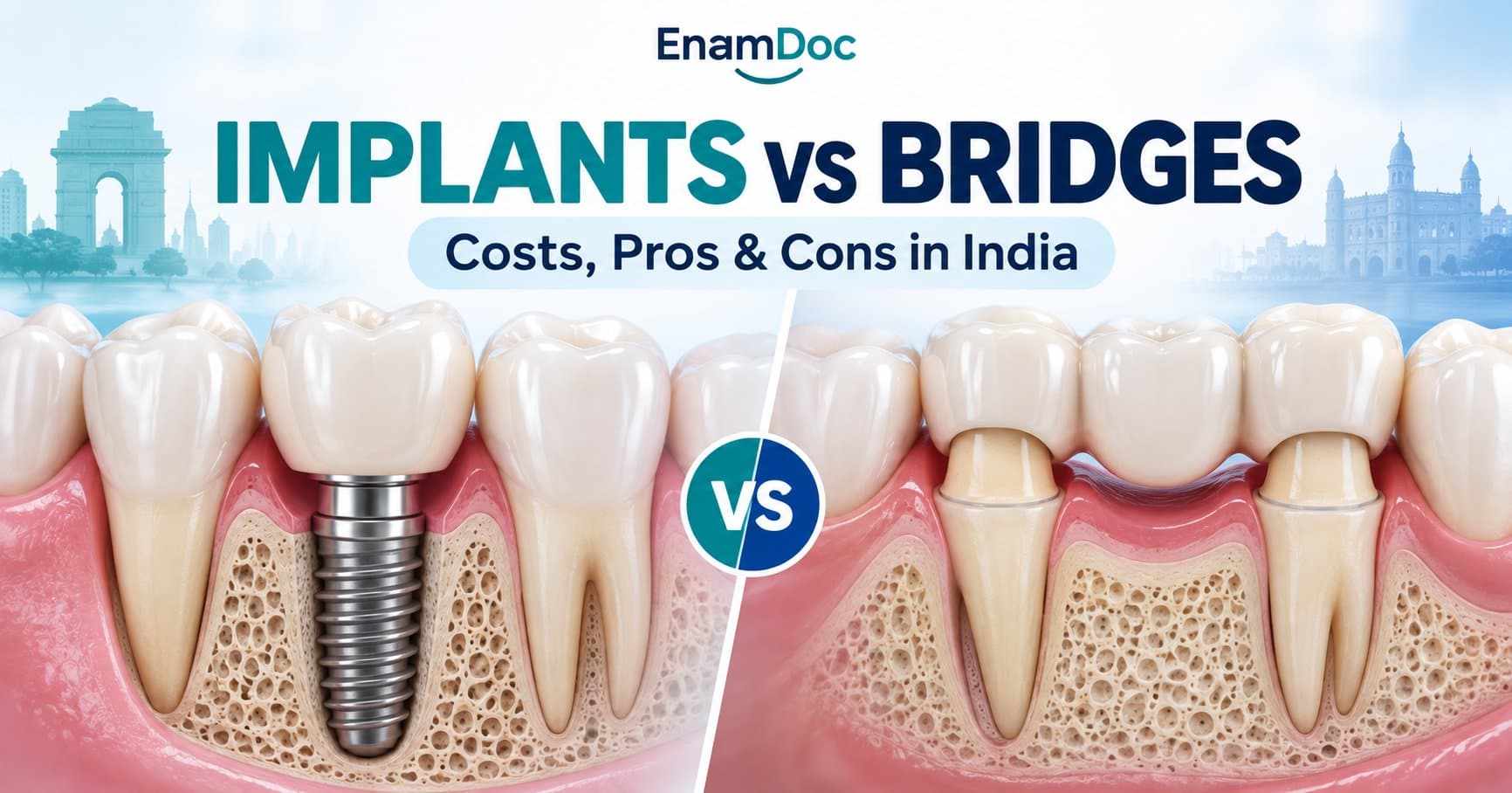
Choosing between a dental implant and a bridge? Compare costs in India, treatment time, pros, cons, and which option suits your oral health situation best.
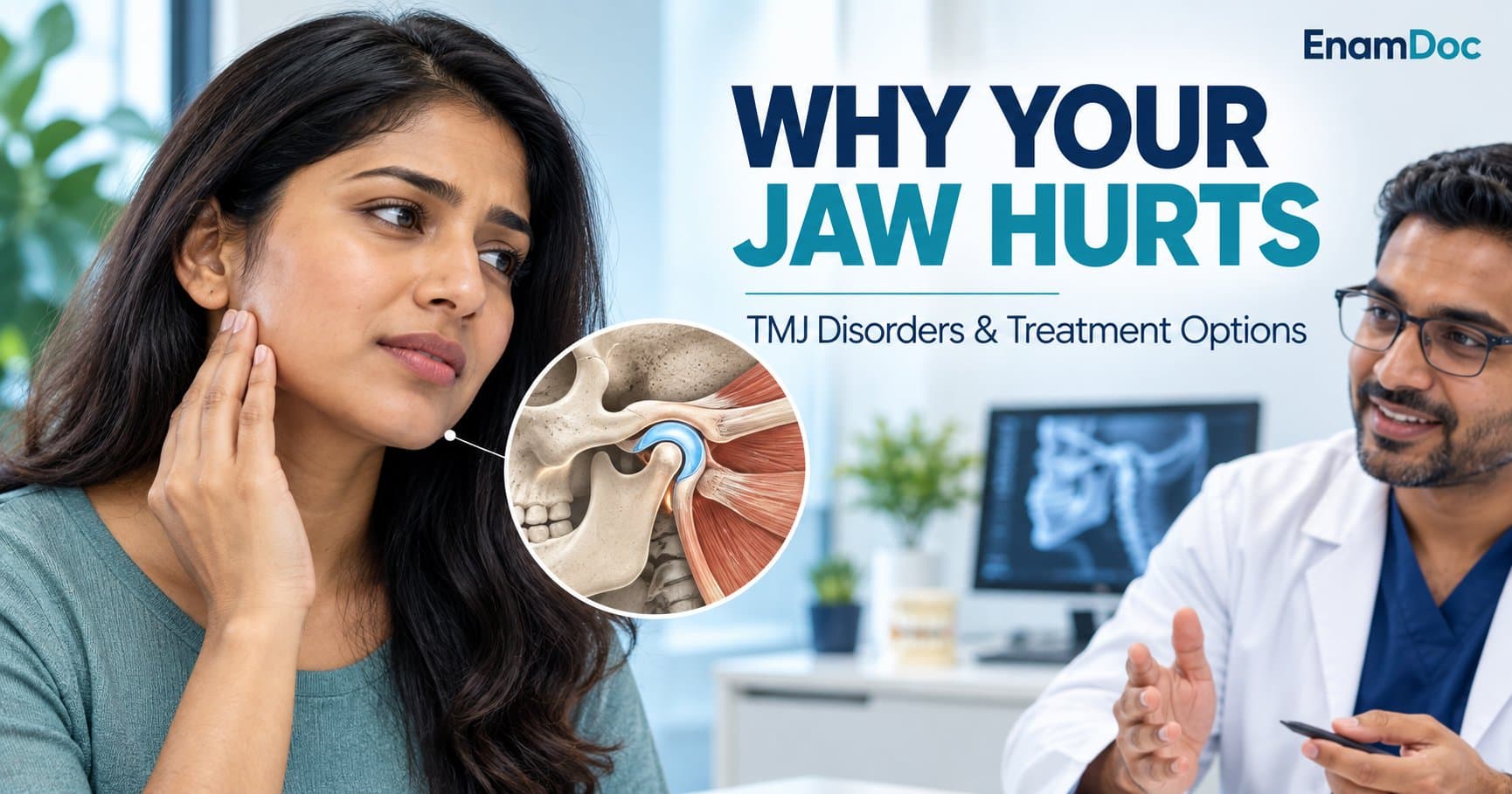
Jaw pain, clicking, and headaches could be signs of a TMJ disorder. This guide explains the causes, symptoms, and treatment options — from at-home remedies to specialist care.
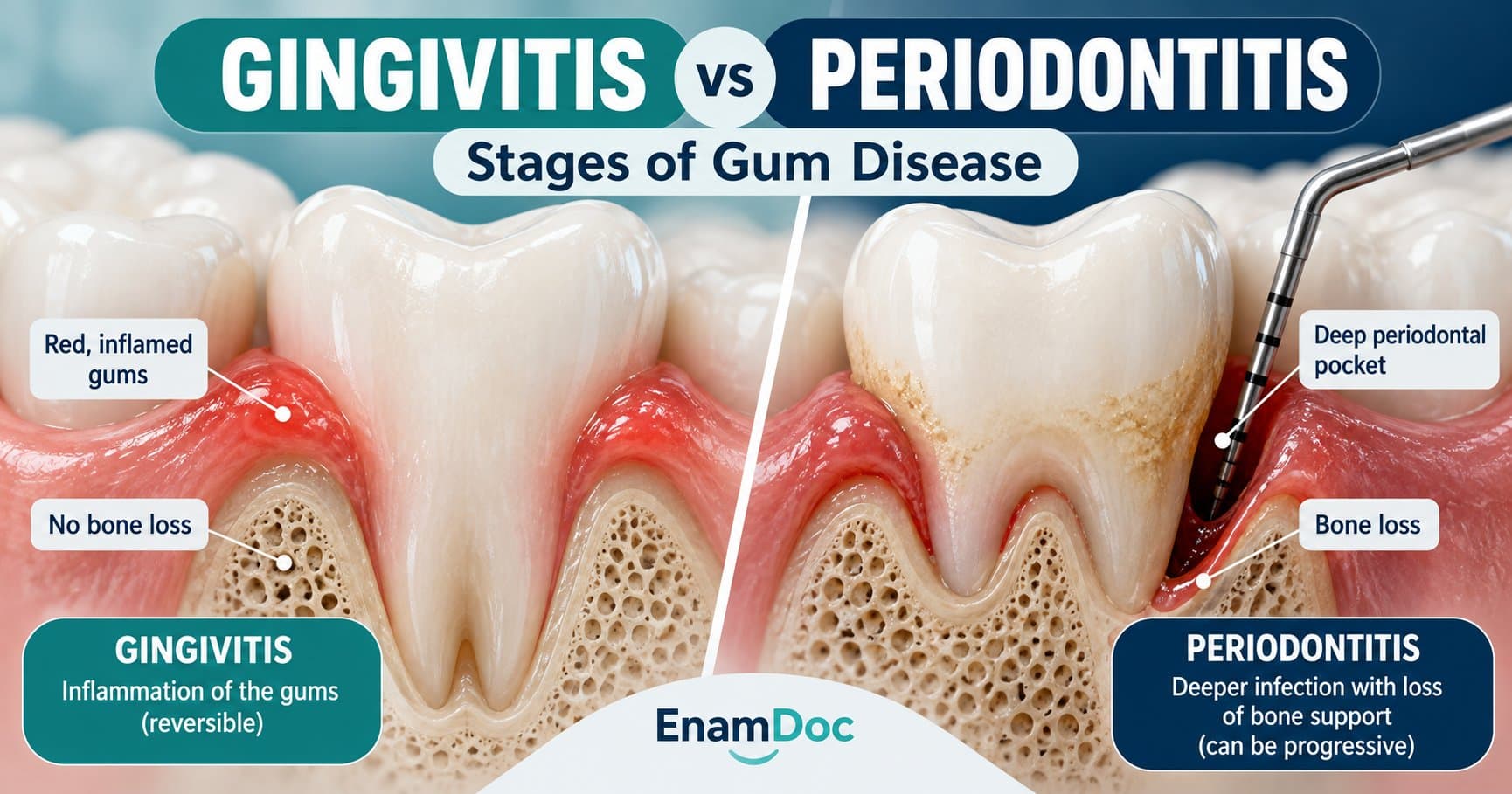
Understand the difference between gingivitis and periodontitis, how gum disease progresses in stages, and what you can do to stop it before it damages your teeth.
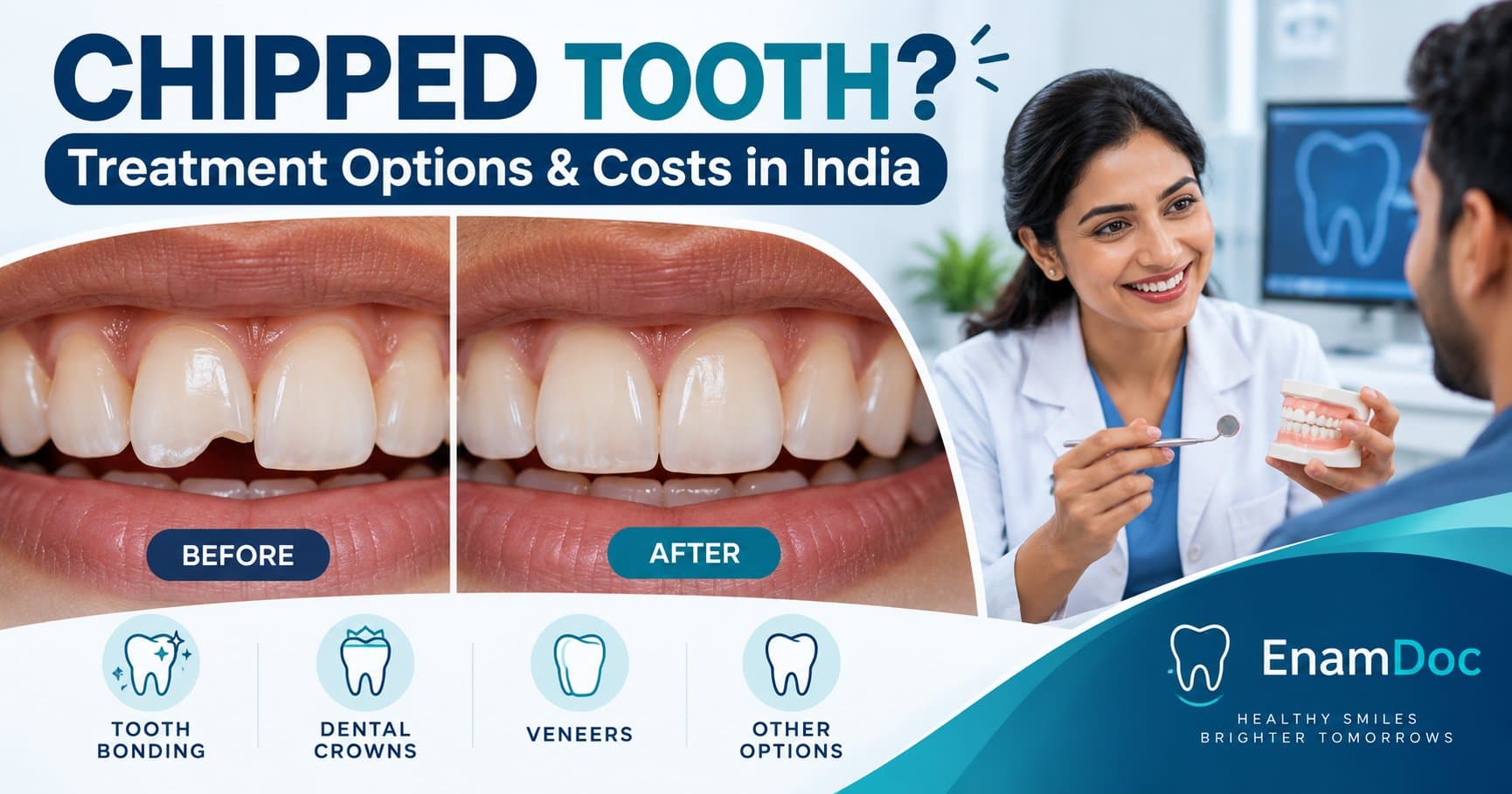
A chipped tooth can be a dental emergency or a cosmetic concern — it depends on how much tooth structure is lost. Here is every treatment option available in India and what each one costs.
Gums that bleed when you brush are not always a dental emergency — but they are always a signal worth paying attention to. Here are the most common causes and when the problem can be fixed at home versus when you need professional treatment.
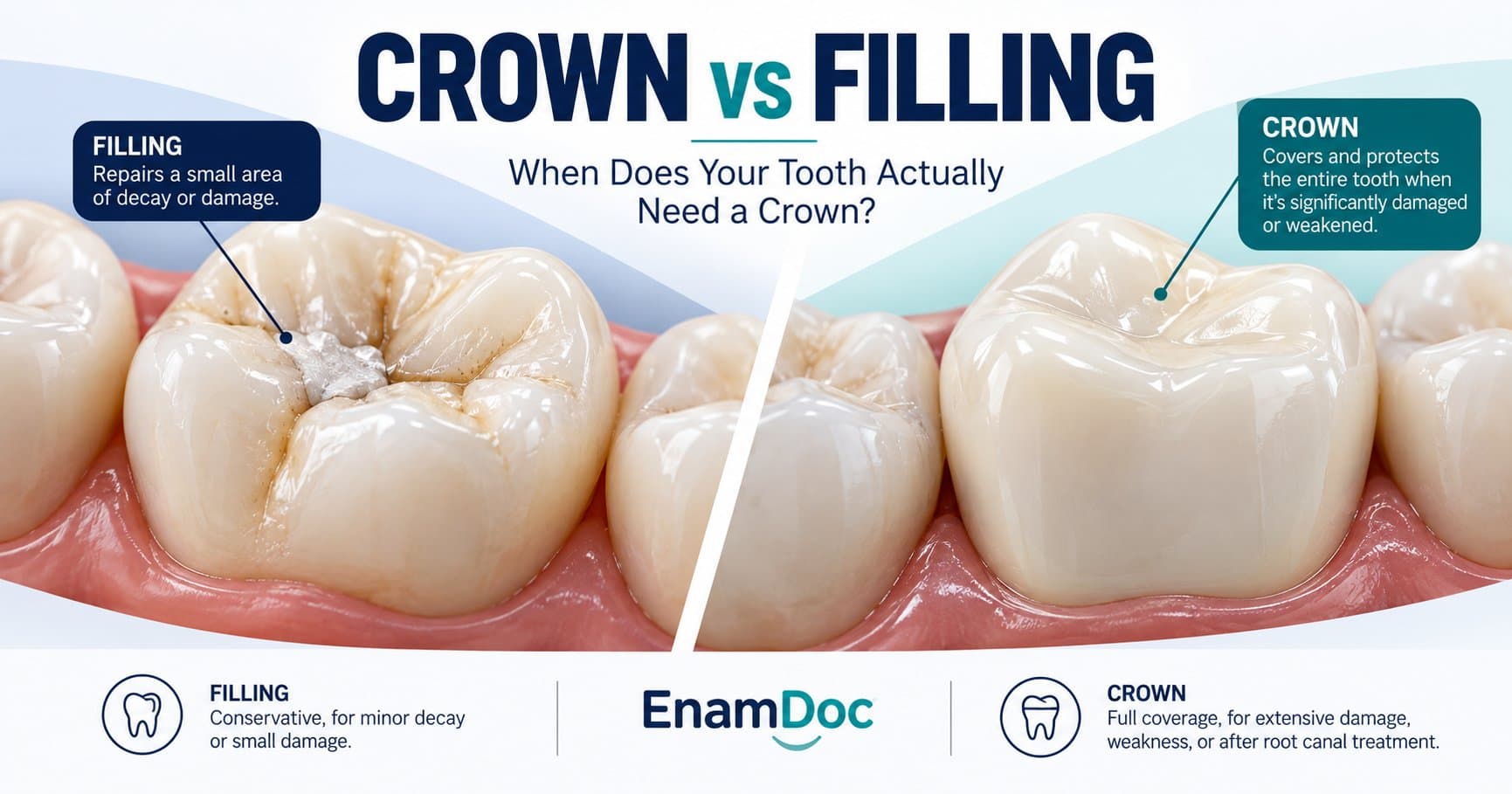
Your dentist recommends a crown — but couldn't they just do a filling? Here's how dentists decide, what each option does to your tooth, and when a crown really is the better choice.
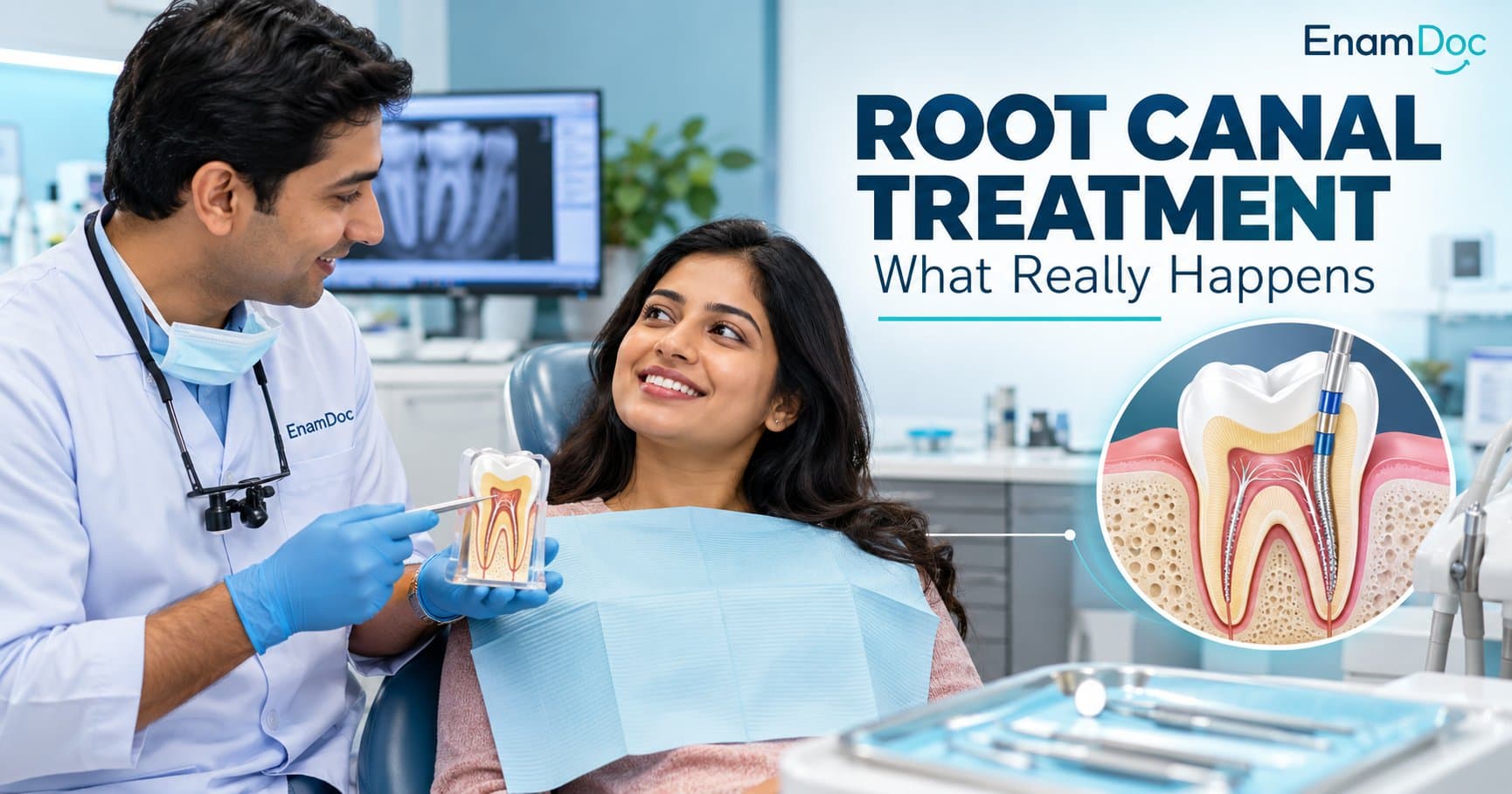
Most people dread root canals based on old myths. Here's what actually happens step by step, why modern root canal treatment is nearly painless, and when your dentist might recommend one.
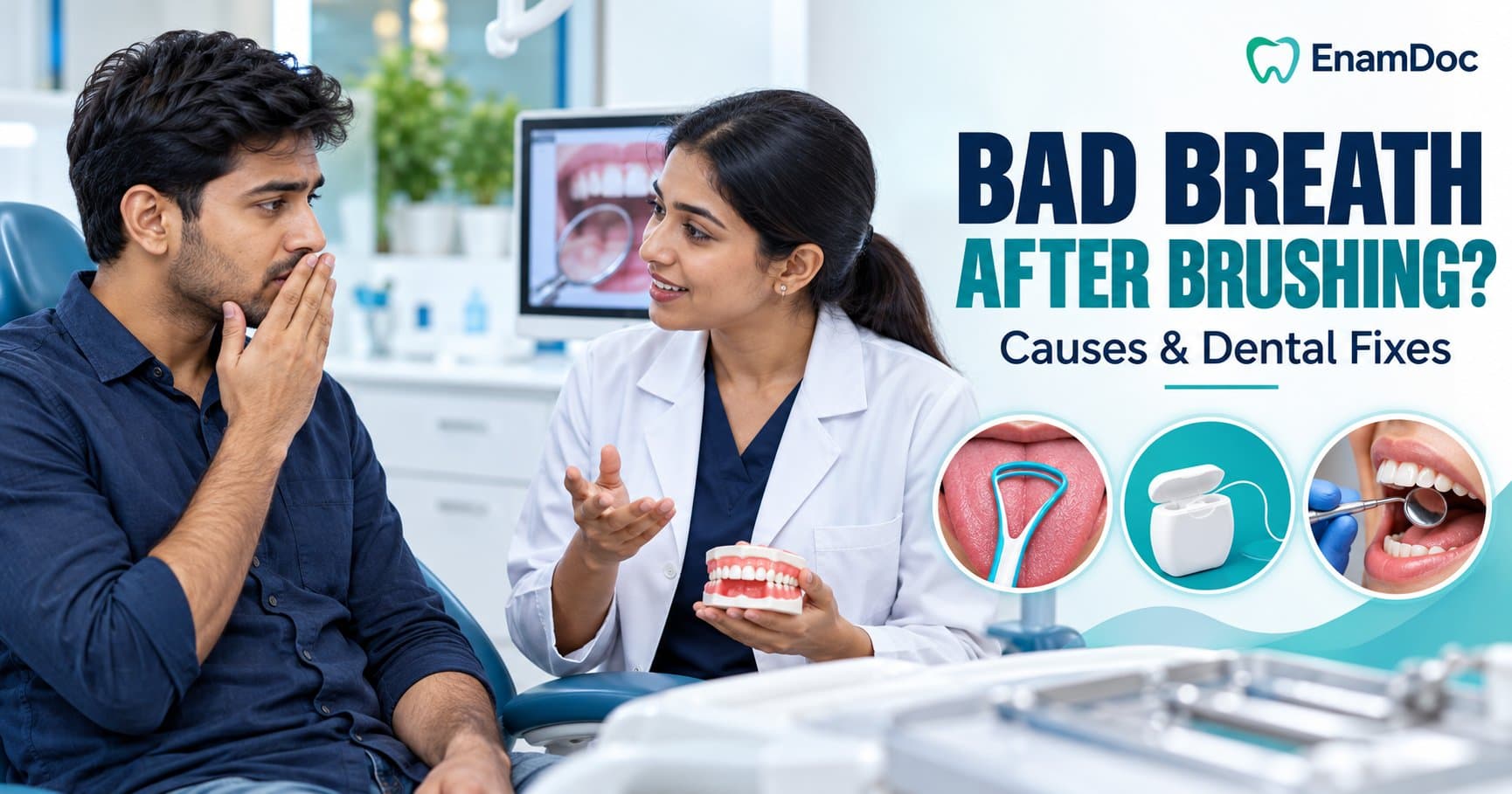
Bad breath that returns minutes after brushing is almost always a sign of something happening deeper in your mouth or body. Here is what is really causing it and how a dentist can fix it for good.
The answer surprises most parents: your child's first dental visit should happen within 6 months of their first tooth — often before their first birthday. Here's why it matters and what that visit actually looks like.
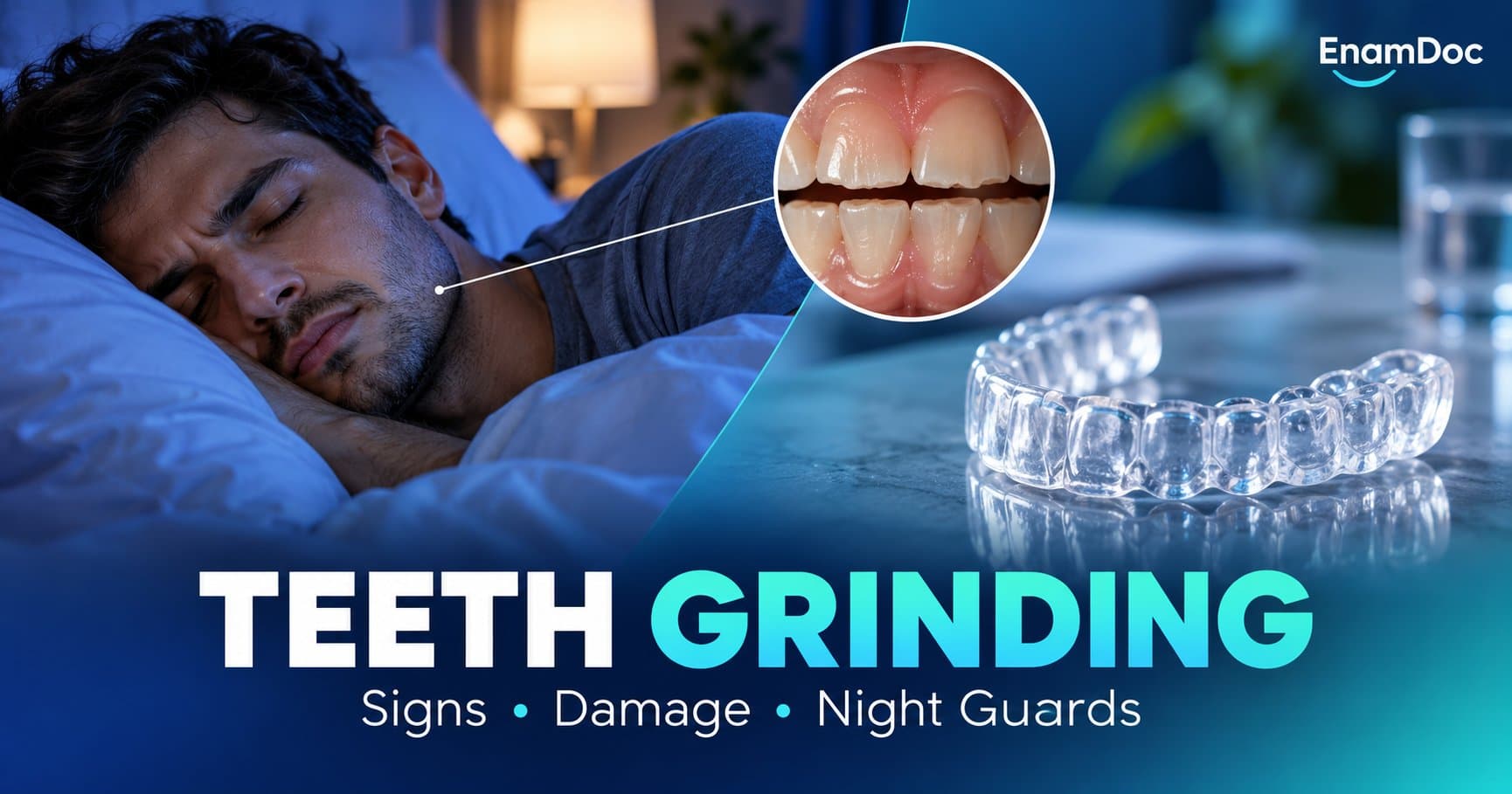
Most people who grind their teeth at night have no idea they're doing it — until their dentist spots the evidence. Here's how to recognise bruxism, what it does over time, and what actually helps.
That throbbing jaw pain 2 days after your extraction isn't normal soreness — it could be dry socket. Here's how to identify it, how serious it is, and exactly what treatment looks like.
Wisdom tooth pain doesn't always mean you need surgery — but sometimes it does. Here's how to know, what removal costs in India, and what the recovery actually involves.
Tooth sensitivity to cold isn't just annoying — it can signal real dental issues. Here's what's actually causing that sharp pain and what dentists can do about it.
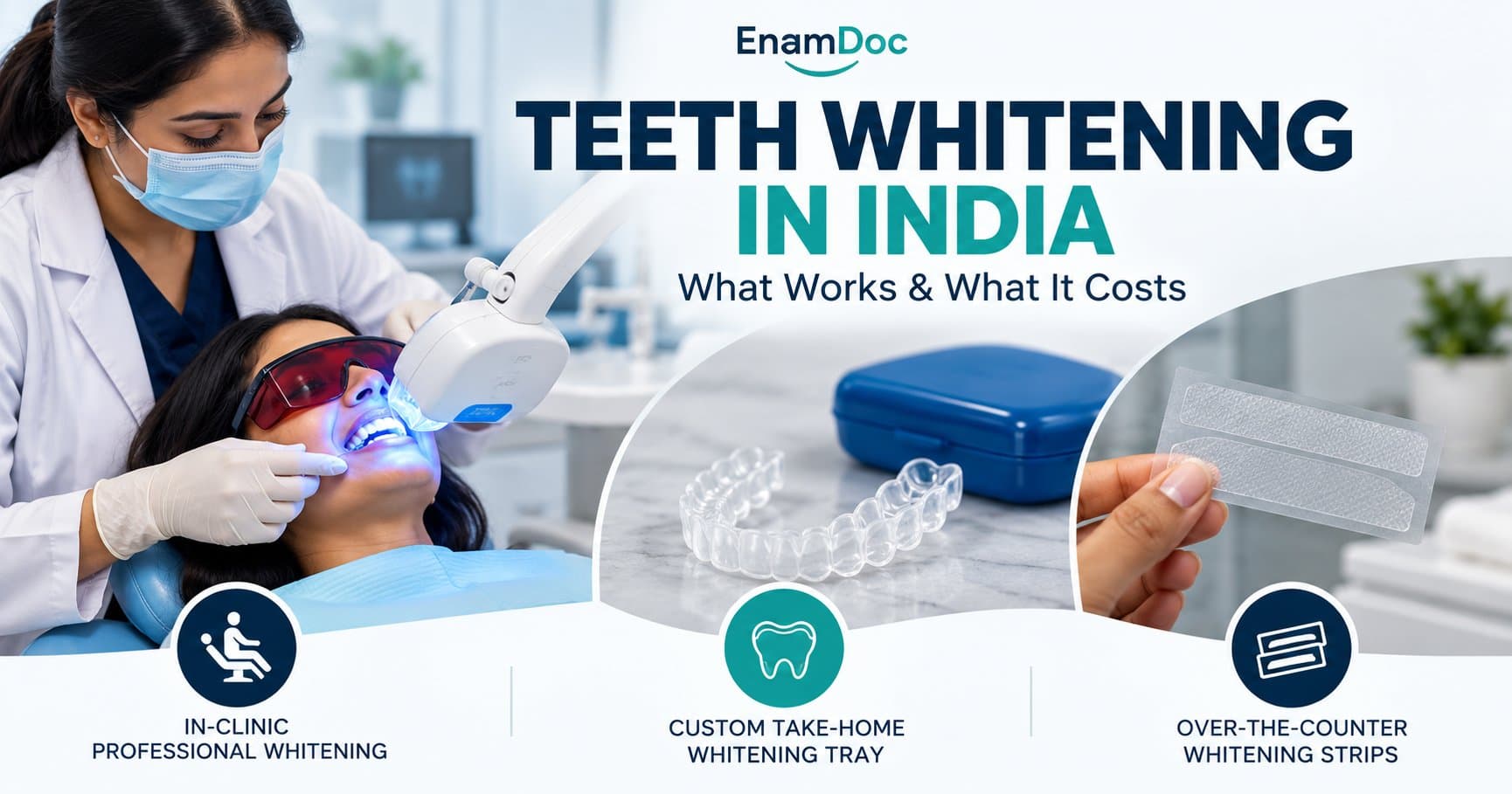
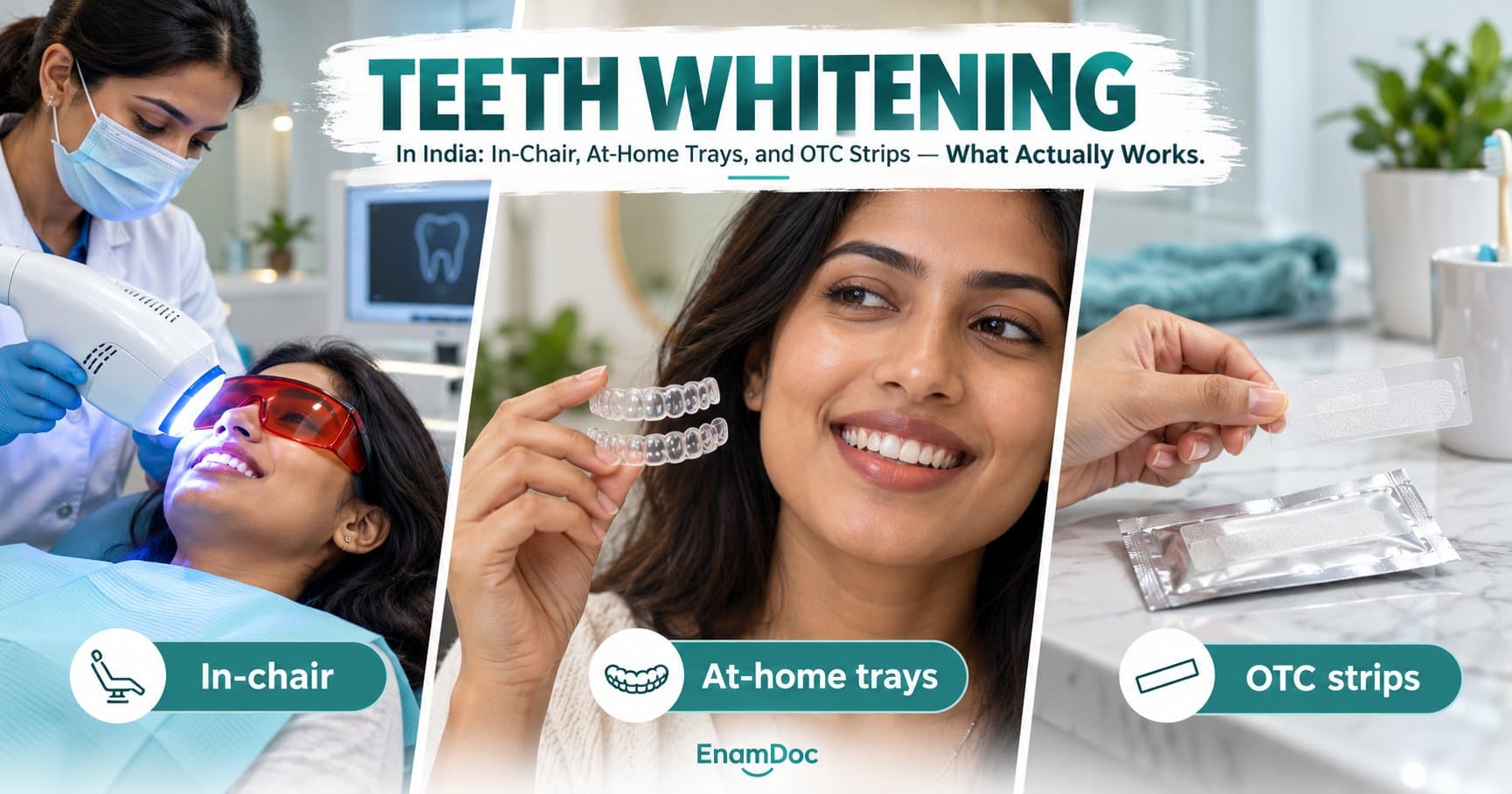
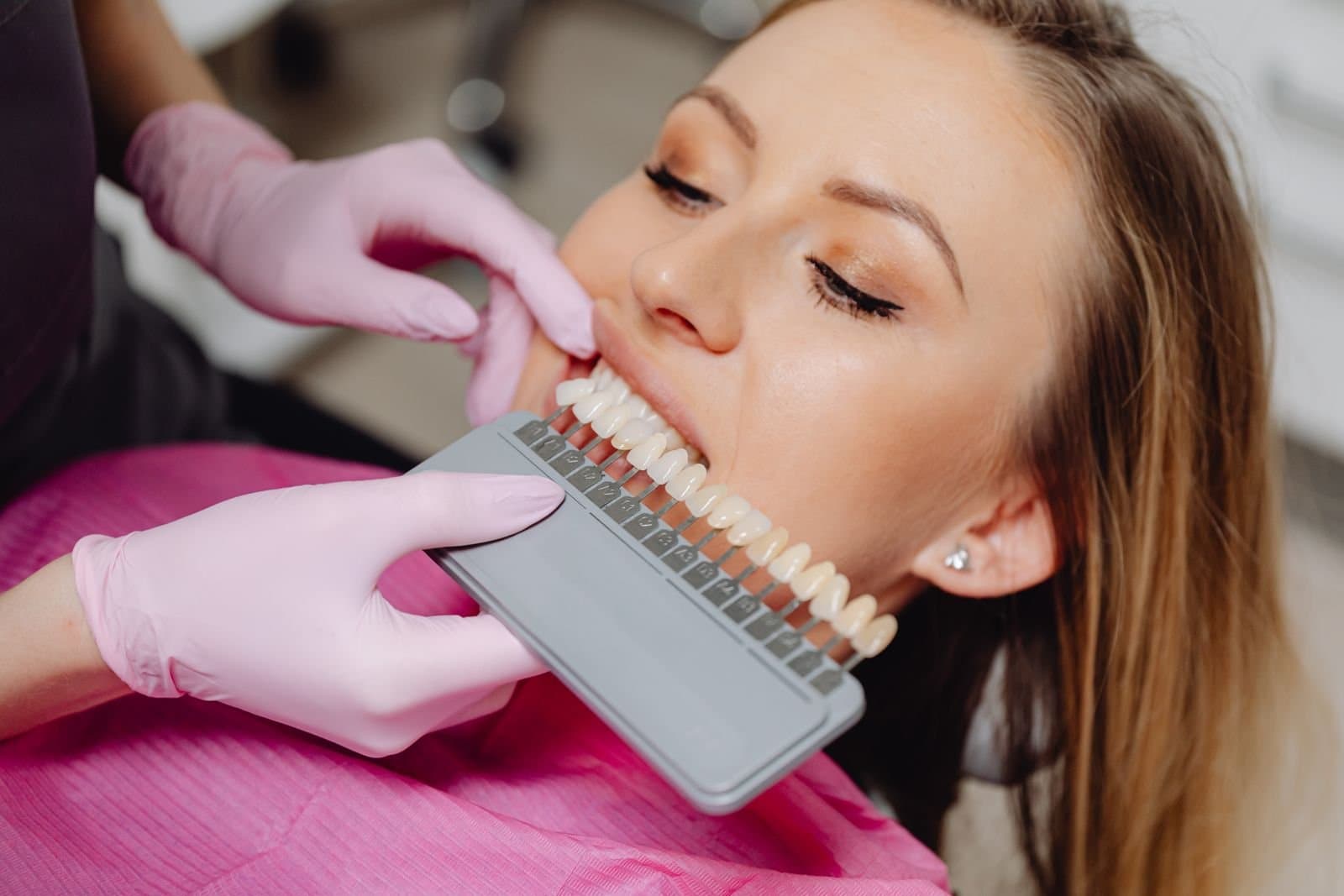
A clear, honest guide to teeth whitening options in India — from in-chair laser treatments to at-home trays and OTC strips — including costs, results, and what actually works for different types of staining.
Bleeding gums aren’t normal — and they’re rarely just about brushing too hard. Here are the 5 most common causes dentists see every week, and what to do.
Confused between a dental implant and a bridge? Here's an honest comparison of costs, longevity, and what Indian patients actually need to know before deciding.
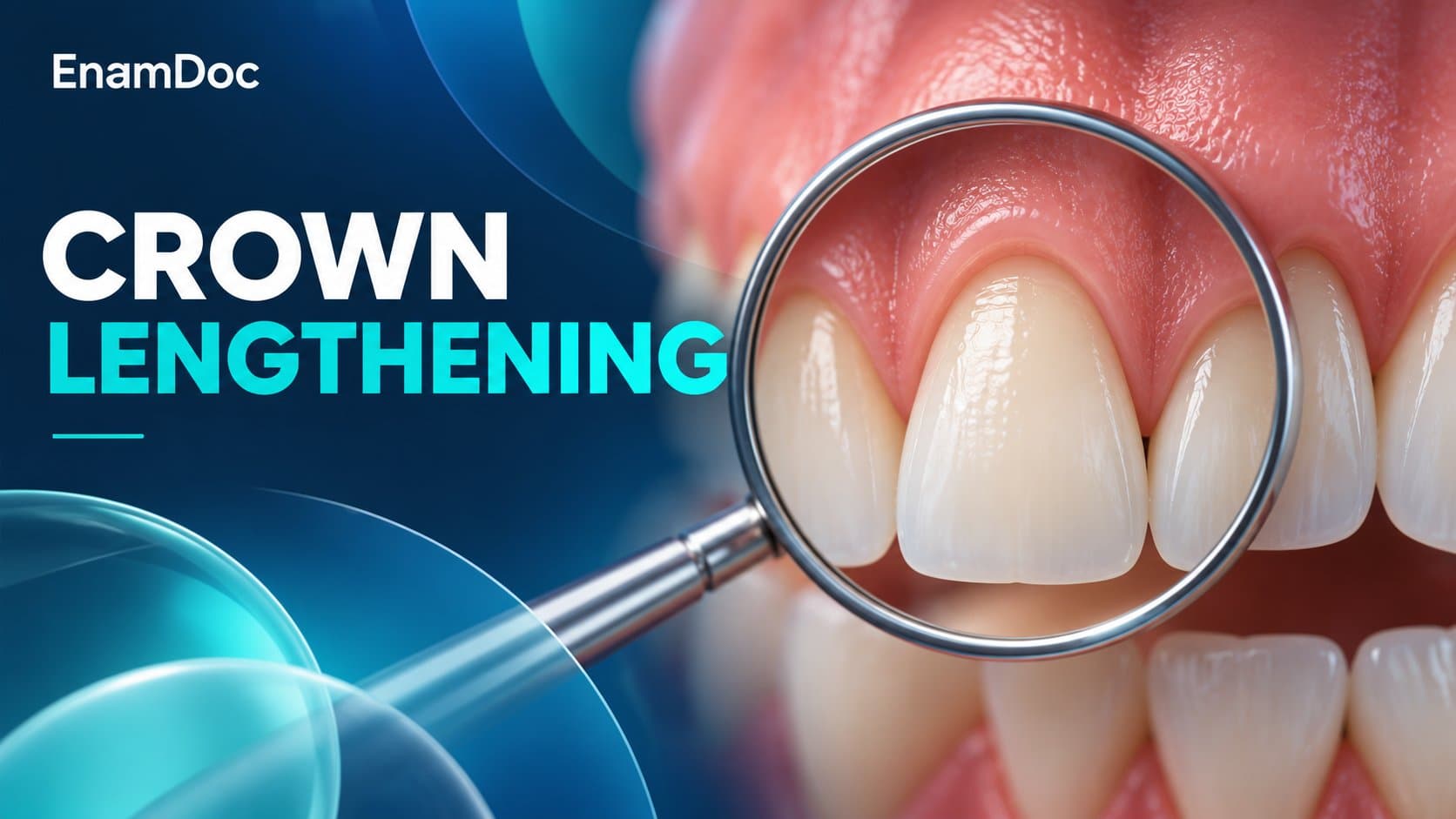
Not enough tooth showing above the gum to hold a crown, or a smile that shows too much gum? Crown lengthening reshapes the gum and sometimes bone to fix both. A guide for patients weighing the procedure and students learning the biologic width principle.
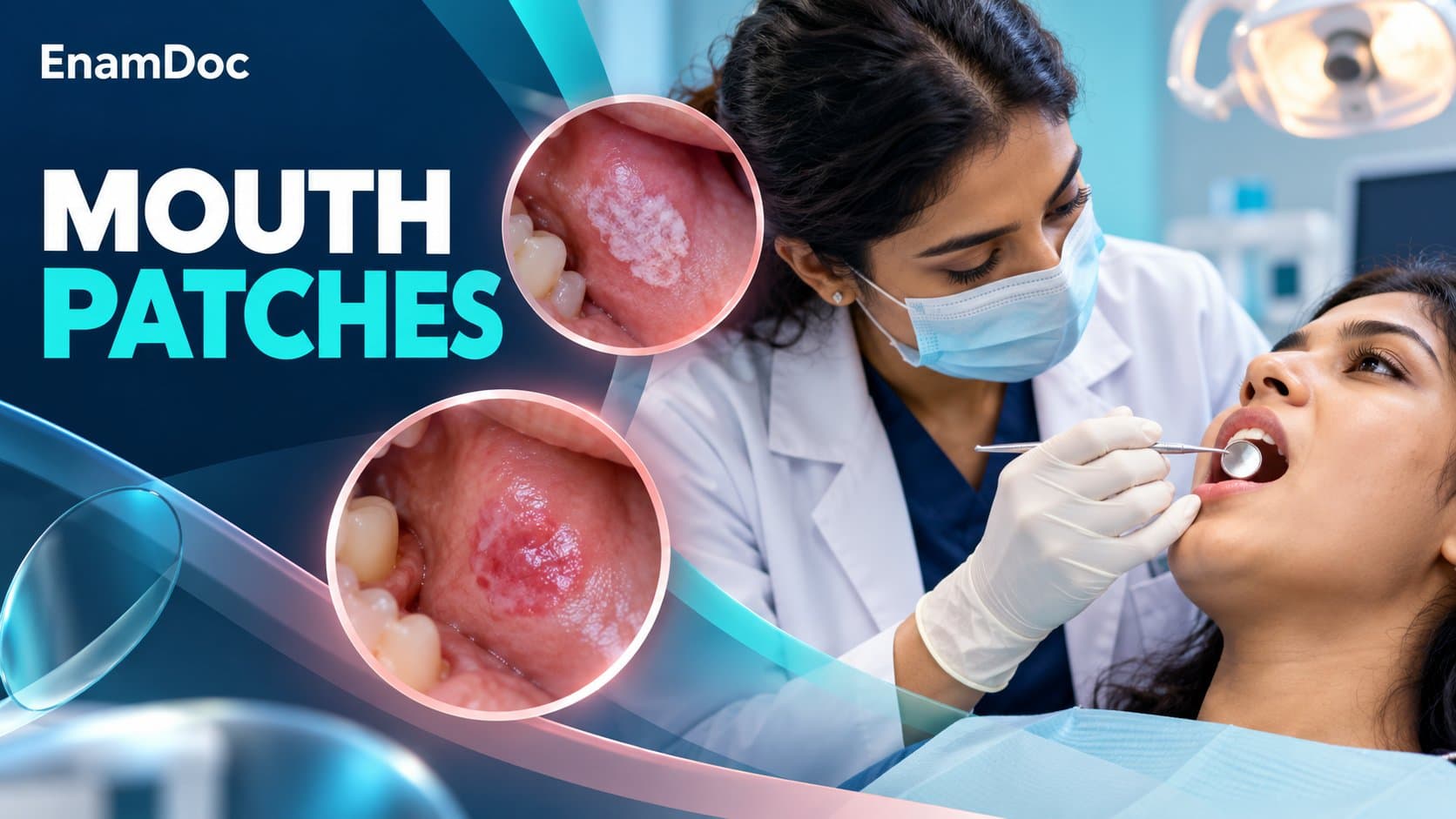
Most patches inside the mouth are harmless irritation. A few are not, and the difference is not something you can tell by looking in a mirror. Here is what leukoplakia and similar patches actually mean, and when a biopsy matters.
Chewing xylitol gum after meals is one of the few snack-time habits dentists actually recommend. Here's what the research supports, how much you actually need, and where the marketing gets ahead of the science.
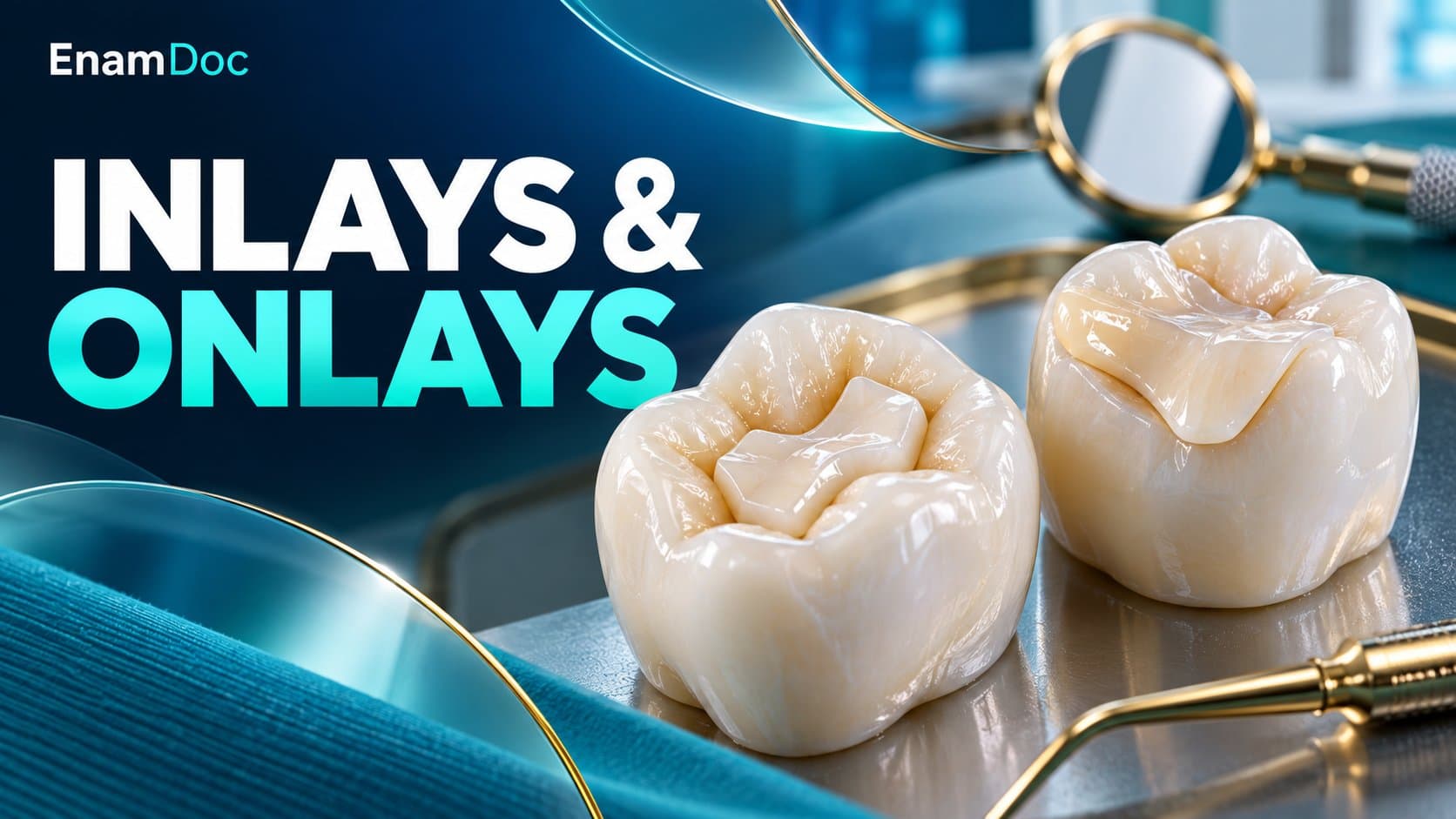
When a cavity is too large for a filling but not bad enough for a full crown, dentists reach for an inlay or onlay. Here's how the two differ, what they cost in India, and how long they actually last.
A gap between the two front teeth is sometimes a genetic trait and sometimes a sign of an underlying habit or bone issue. Here's how dentists tell the difference, and which fix actually matches the cause.
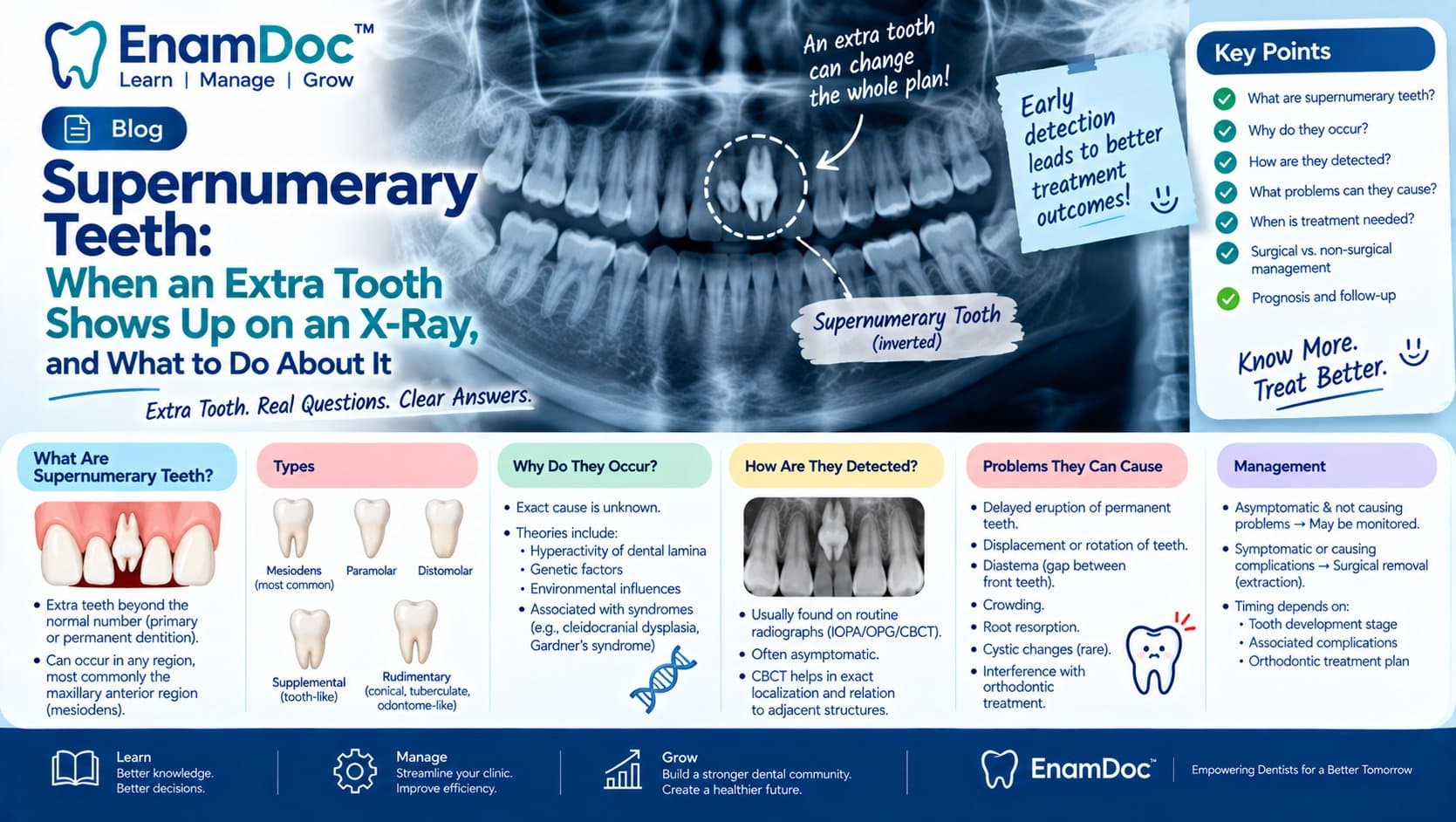
A routine X-ray sometimes reveals a tooth nobody knew was there — an extra, unerupted tooth sitting quietly in the jaw. Here's why supernumerary teeth form, when they cause real problems, and when they can simply be left alone.
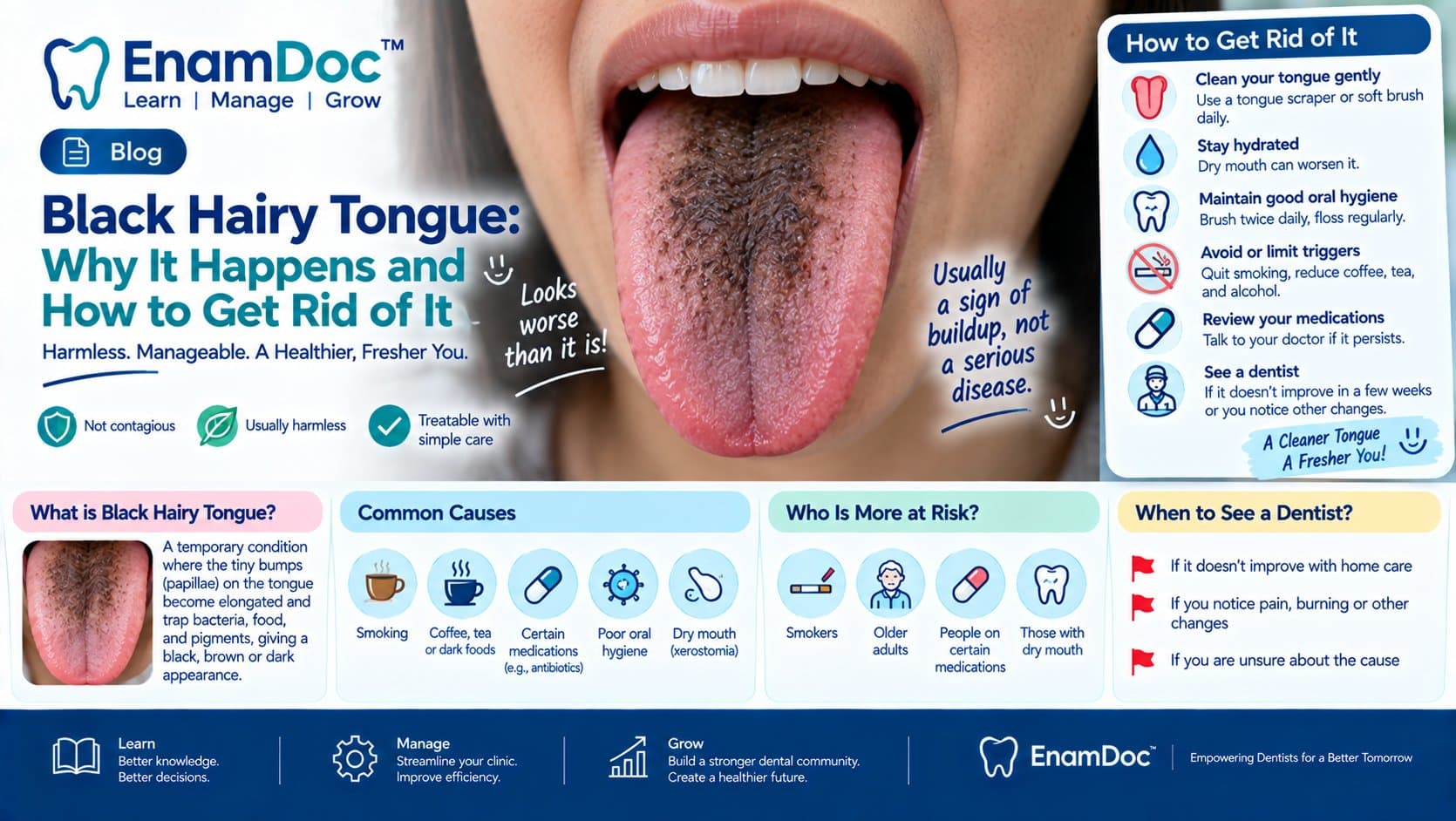
A dark, furry-looking patch on the tongue looks alarming but is almost always harmless — a buildup of dead skin cells on overgrown tongue papillae, not a fungus or infection taking hold. Here's what causes it and how it actually clears up.
Stomach acid is far stronger than anything in a soft drink, and chronic reflux can quietly erode the back of your teeth long before heartburn ever brings you to a doctor. Here's how dentists often spot GERD before a physician does.
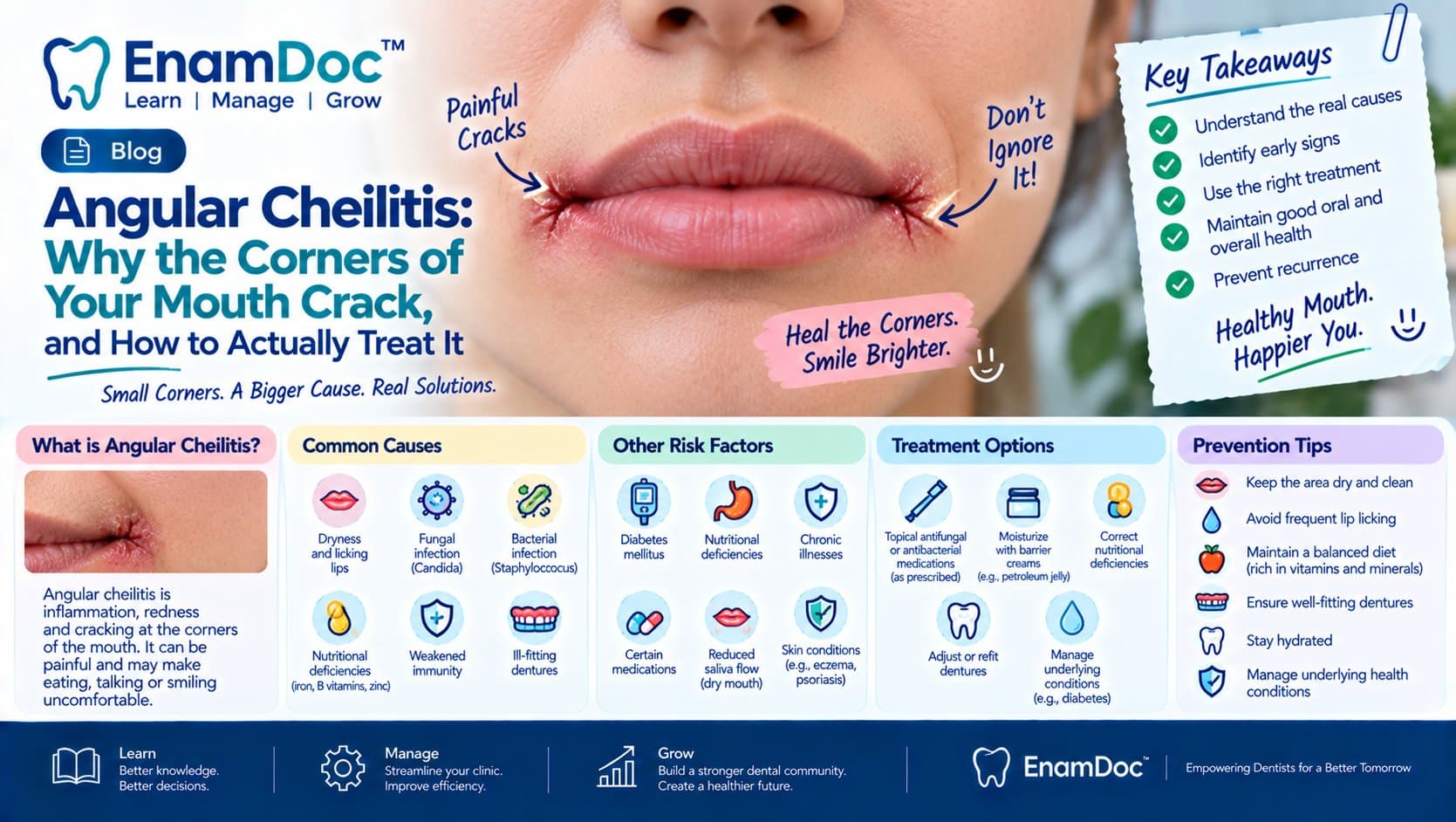
Cracked, sore corners of the mouth that won't heal with lip balm alone usually have a specific cause underneath — often a fungal or bacterial infection thriving in a fold of skin kept damp by saliva. Here's what actually clears it up.
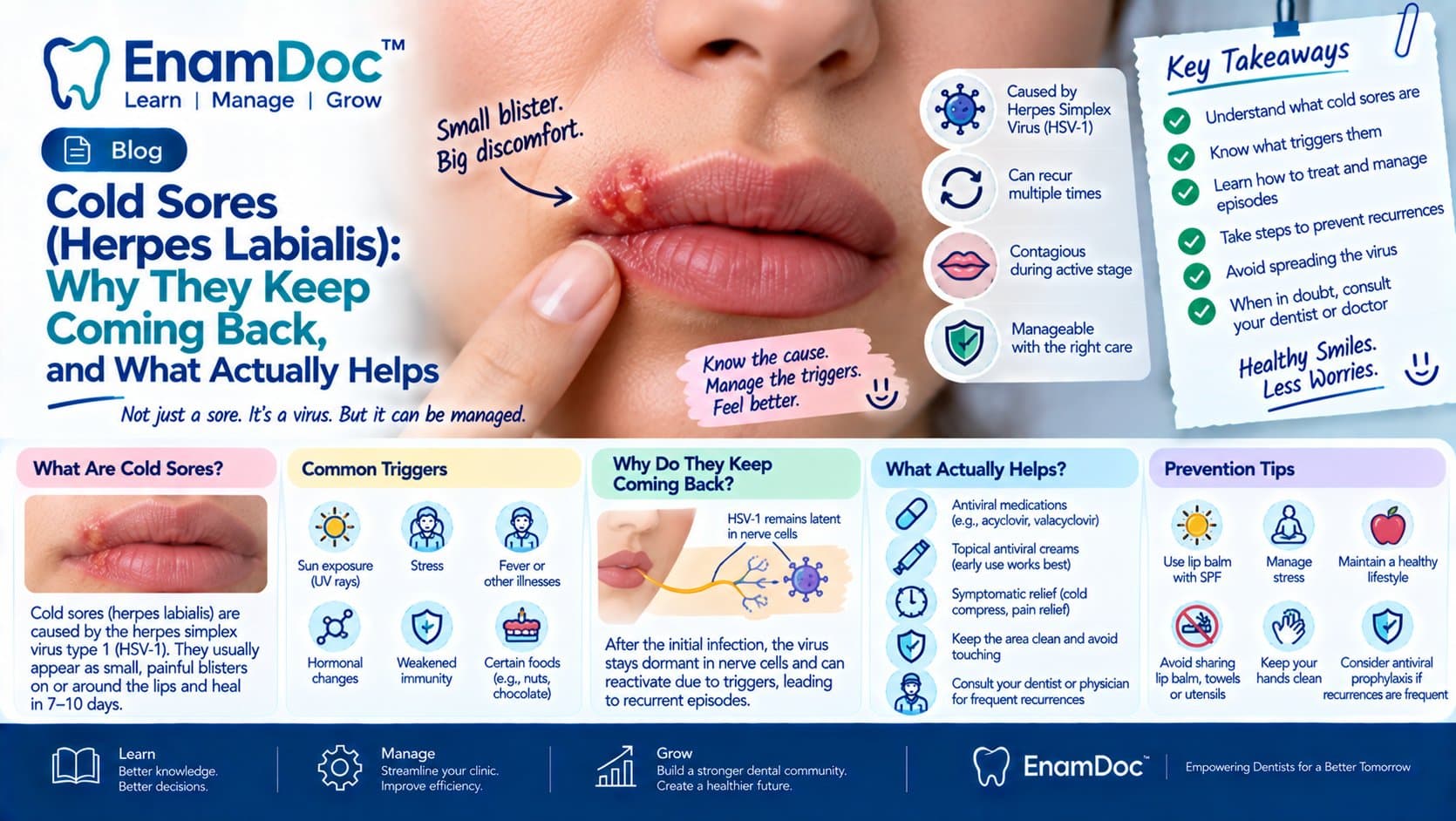
A cold sore on the lip isn't the same as a canker sore inside the mouth, and it doesn't go away for good. Here's what actually triggers outbreaks, how to shorten one, and what stops it from spreading.
A child who cries or refuses to open their mouth at the dentist isn't being difficult — they're anxious, and that anxiety is manageable. Here's how pediatric dentists actually handle it, and what parents can do before the appointment even starts.
Mints and mouthwash only mask bad breath for a few minutes. Here's what actually causes chronic halitosis, and the fixes that address the real source instead of the smell.
A clicking or locking jaw isn't always a red flag, but pain that keeps coming back usually is. Here's what actually causes TMJ disorder, how dentists diagnose it, and which treatments genuinely help.
A little more tooth showing at the gumline each year isn't just cosmetic — gum recession exposes root surfaces that decay and feel sensitive far more easily. Here's what actually causes it, how dentists stage it, and which treatments fit which stage.
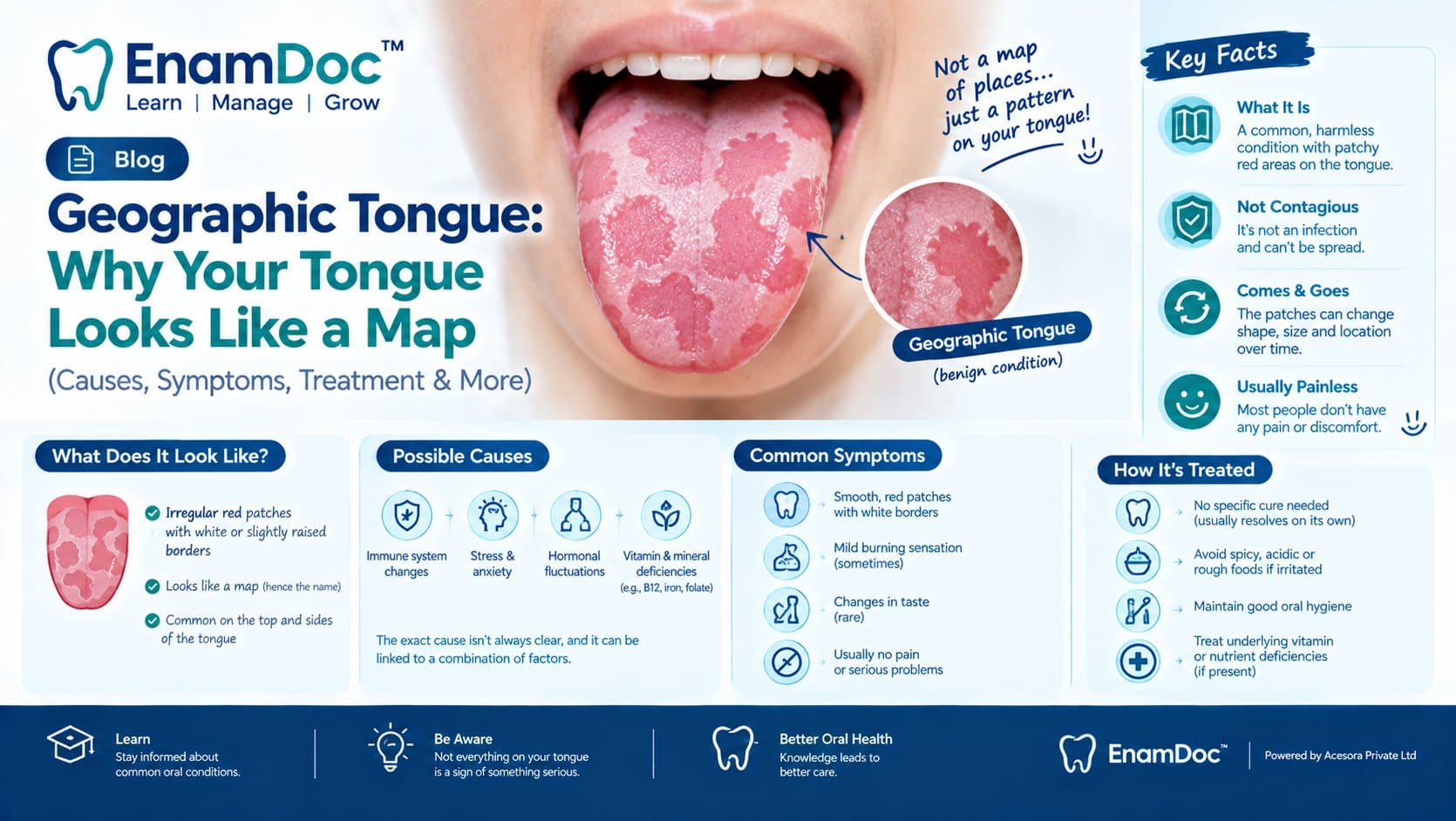
Smooth red patches with white borders that shift location over days or weeks aren't an infection — they're a harmless condition dentists call geographic tongue. Here's what actually causes it, and when it's worth mentioning to a dentist.
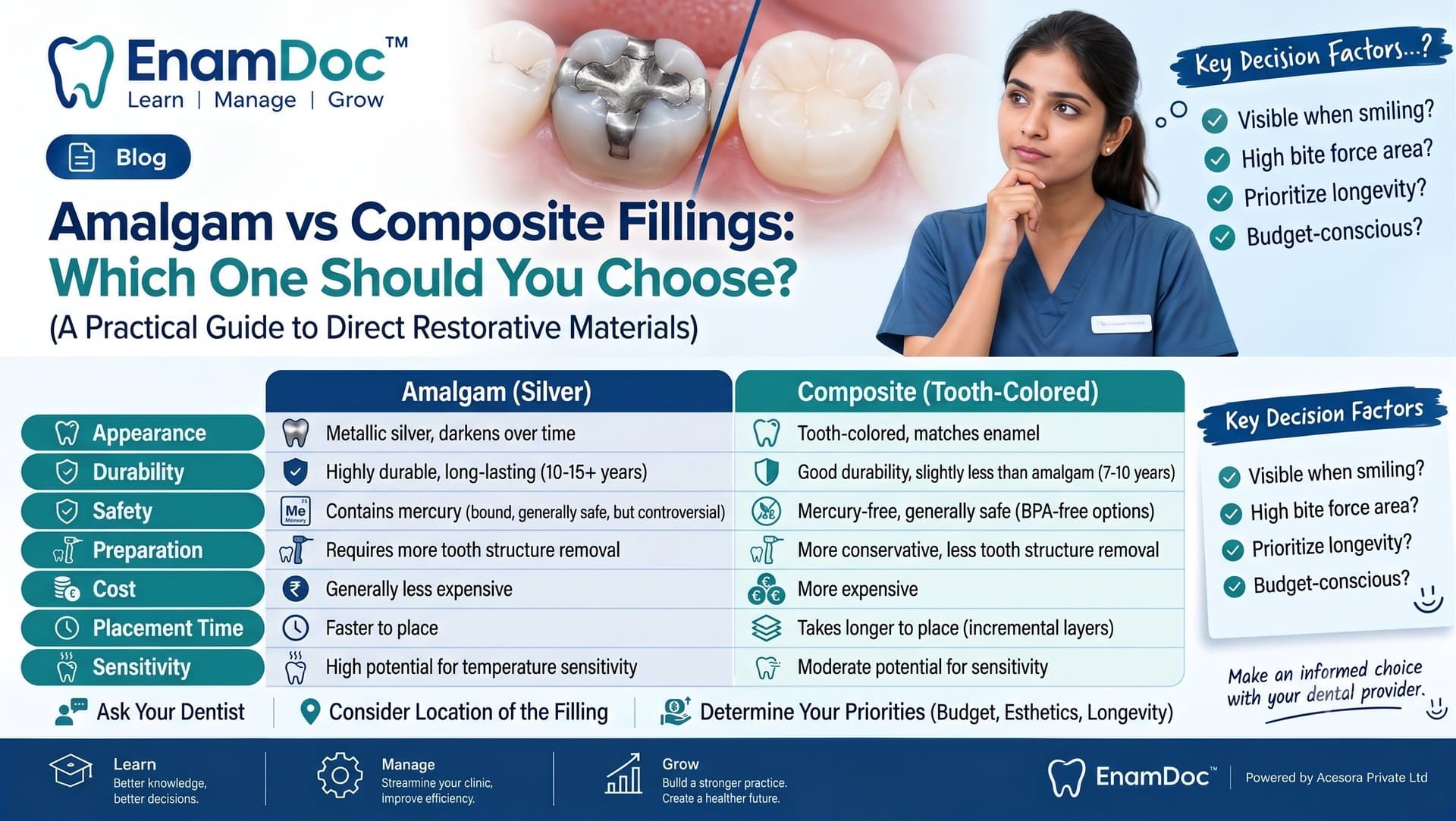
Silver amalgam and tooth-colored composite both fill a cavity, but they age differently, cost differently, and suit different teeth. Here's how dentists actually decide between them.
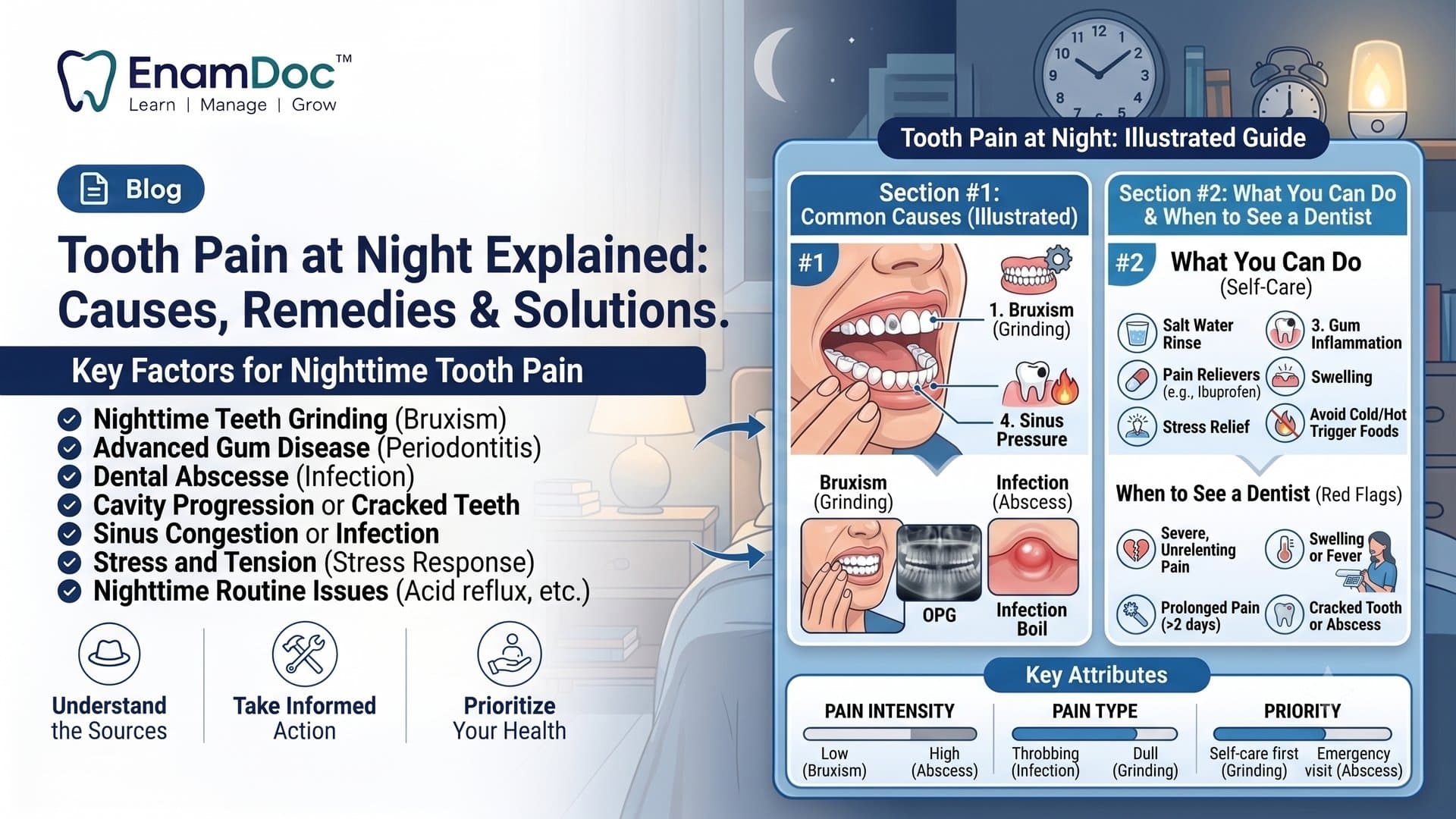
Tooth pain at night can make it difficult to sleep and may have several possible causes. Learn why nighttime tooth pain happens, what you can do temporarily, and when you should see a dentist.
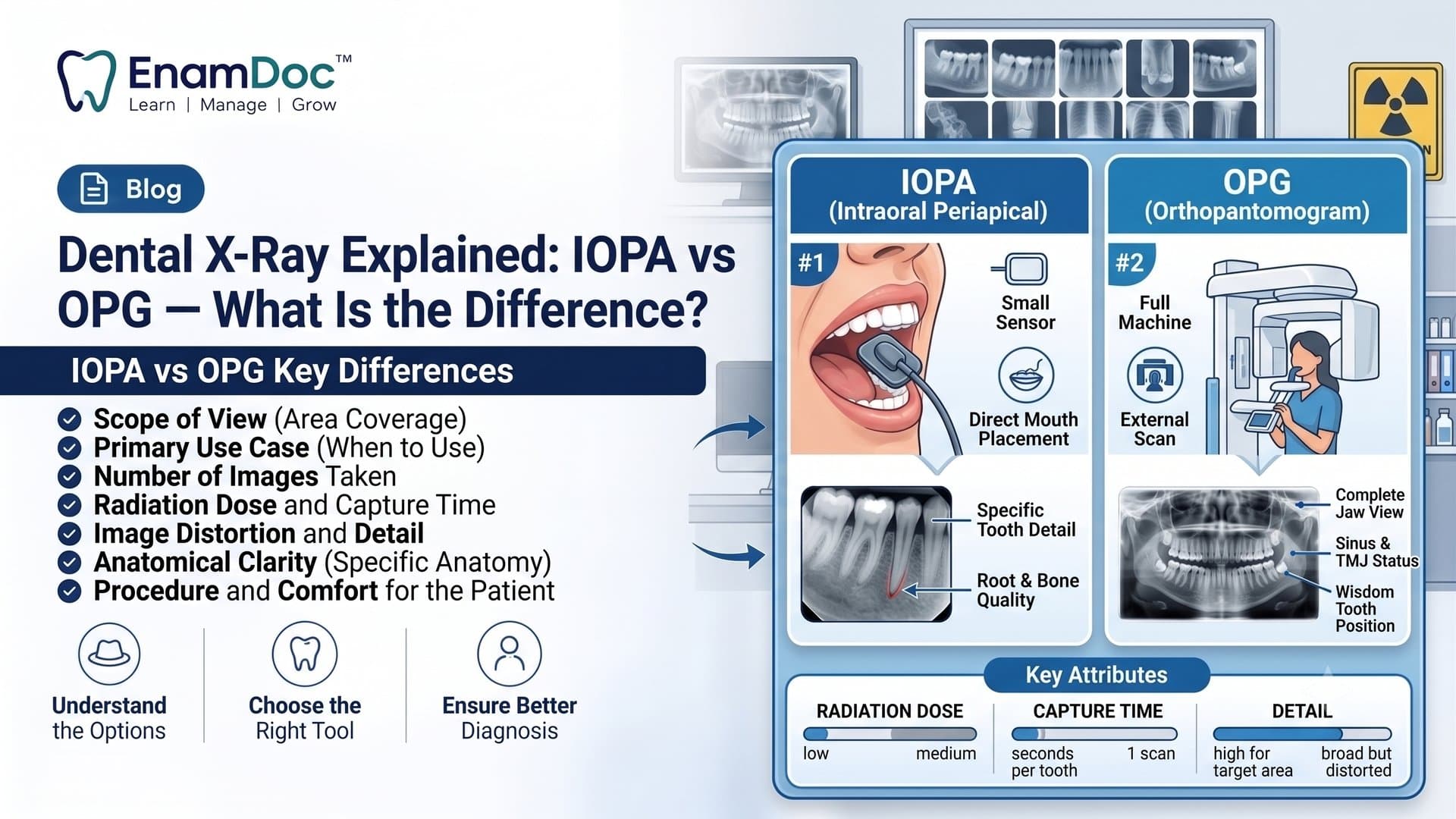
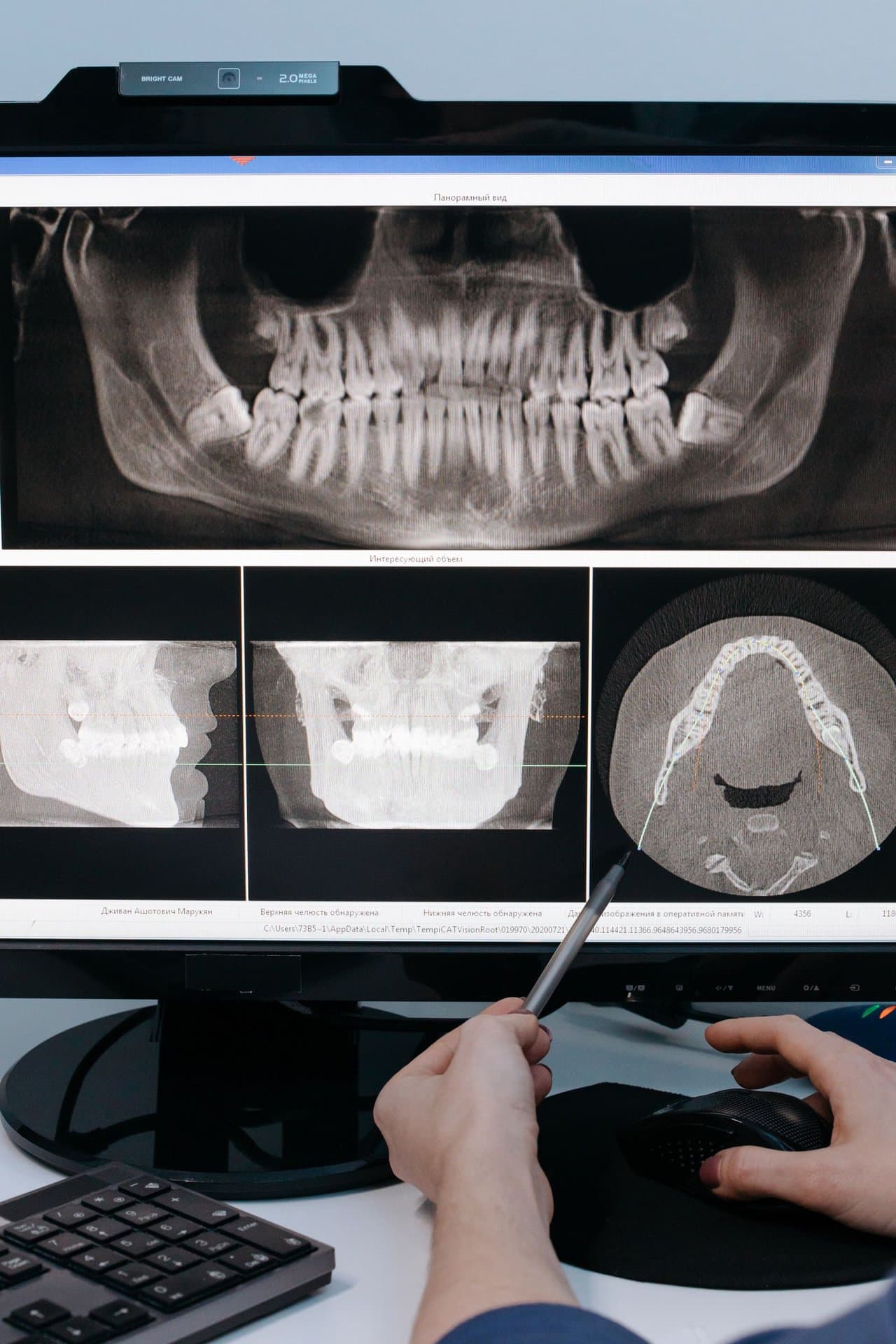
Confused about IOPA and OPG dental X-rays? Learn the key differences, what each type of X-ray shows, when dentists may recommend them, and why dental imaging can be important for diagnosis.
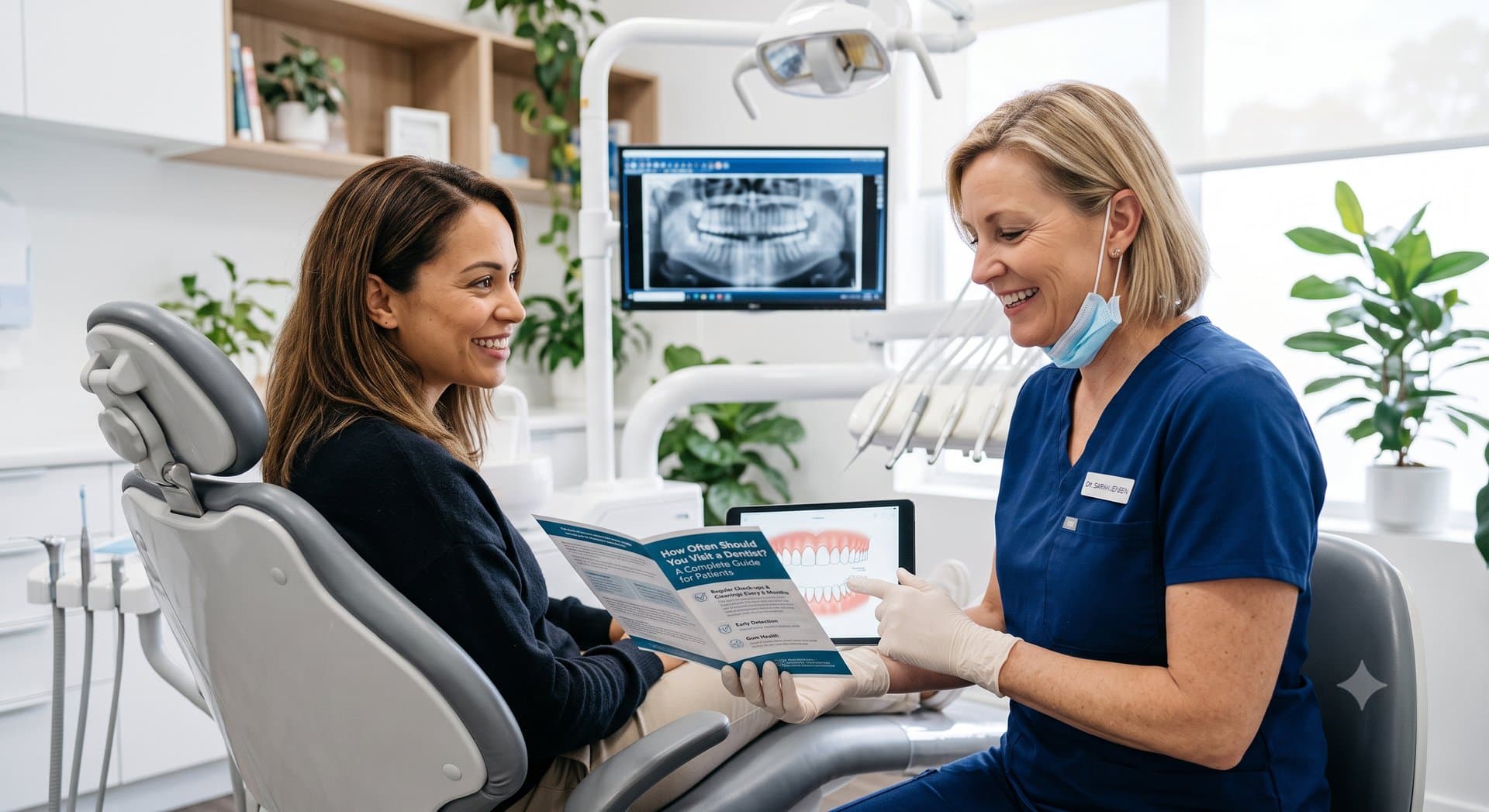
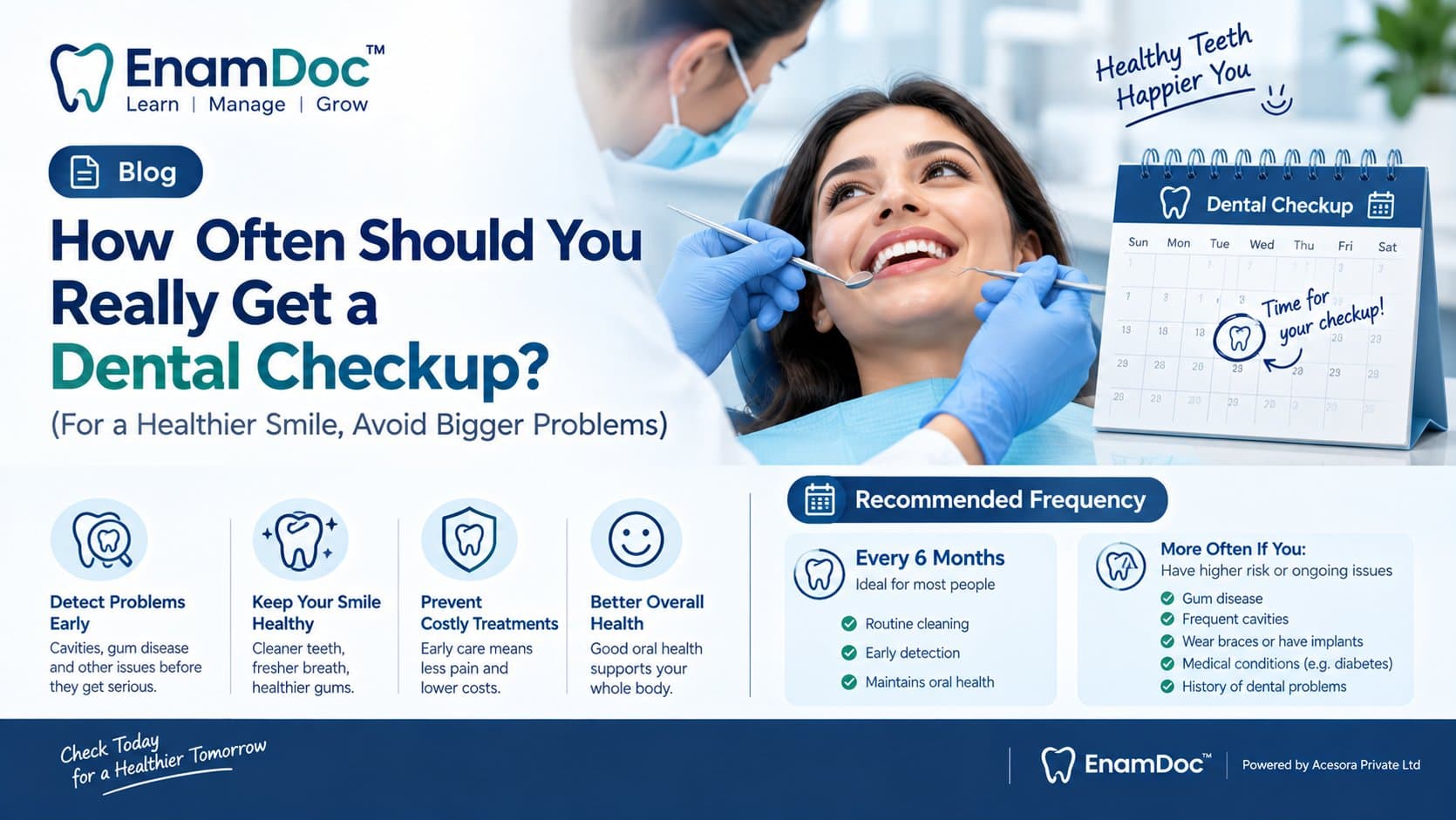
Regular dental check-ups can help identify oral health problems before they become more complicated. Learn how frequently you may need to visit a dentist and which symptoms should not be ignored.
A loose adult tooth is never normal — but it isn't always an emergency either. Here's what actually causes tooth mobility, how dentists grade it, and when treatment can save the tooth.
White patches on the tongue or inside the cheeks that don't wipe away easily aren't just "a coating" — they're often a fungal overgrowth with specific triggers. Here's what actually causes oral thrush in adults and how it's treated.
An X-ray shows an impacted wisdom tooth, but it isn't hurting. Should it come out anyway, or is watching it the safer call? Here's what the evidence and current guidelines actually say.
Tongue and lip piercings look simple, but the jewellery sits against enamel and gum tissue every single day. Here’s what the research actually shows about the damage, and how to reduce the risk if you already have one.
A tooth that's completely silent on the ground can start throbbing the moment a flight climbs. Here's the actual physics behind barodontalgia, and how to stop it before your next trip.
Swishing coconut or sesame oil for oral health has centuries of Ayurvedic tradition behind it and a growing pile of clinical trials. Here’s what the evidence actually supports, and what it doesn’t.
A scalded or tingling feeling on the tongue with nothing visible to explain it affects about 2 in 100 people, mostly women past menopause. Here's what actually causes burning mouth syndrome, and what genuinely helps.
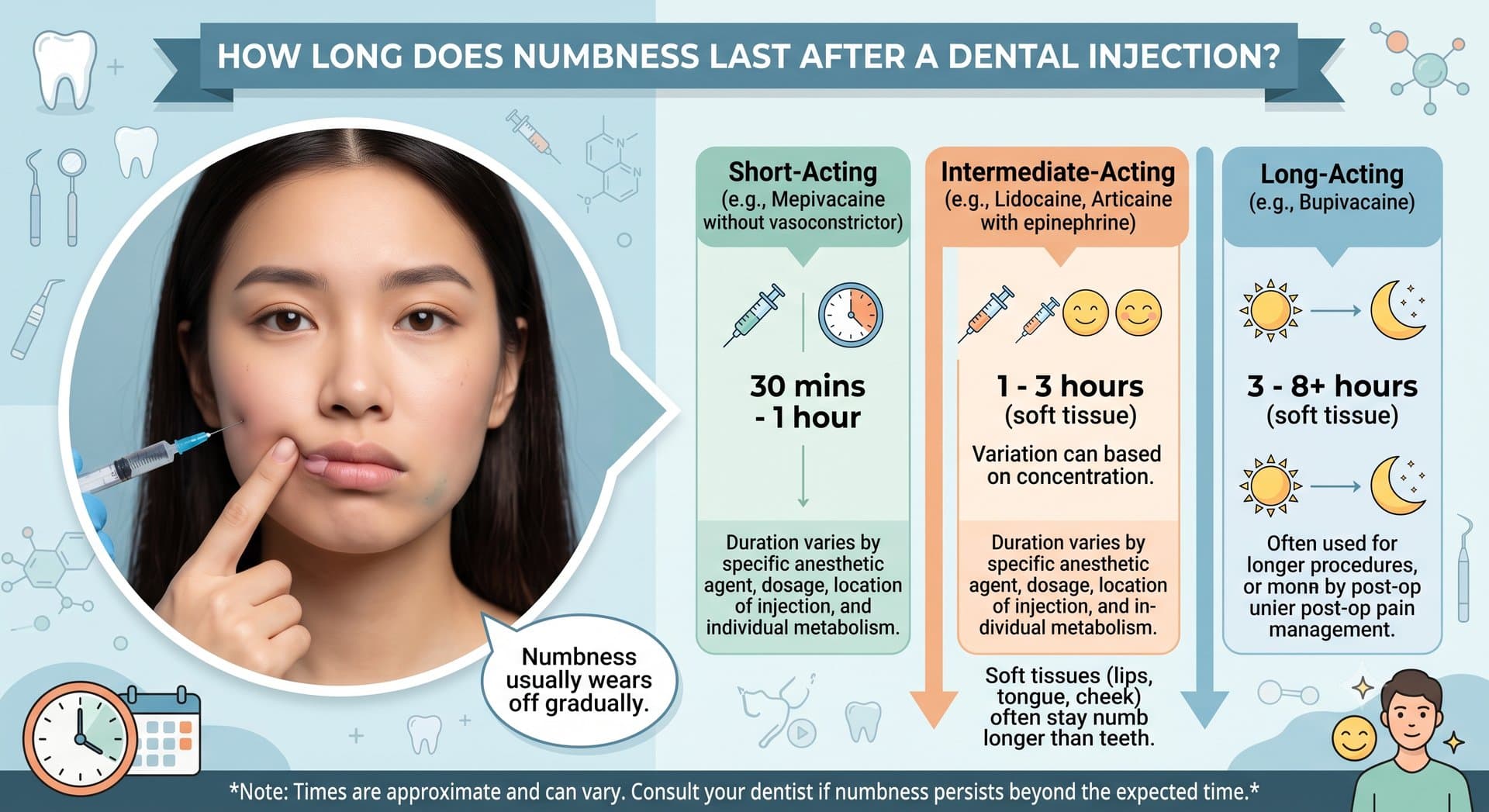
Local anesthesia numbness usually fades within 2 to 4 hours, but the exact timing depends on which drug your dentist used and where it was injected. Here's what's normal, what to avoid while you're still numb, and when prolonged numbness is worth a call.
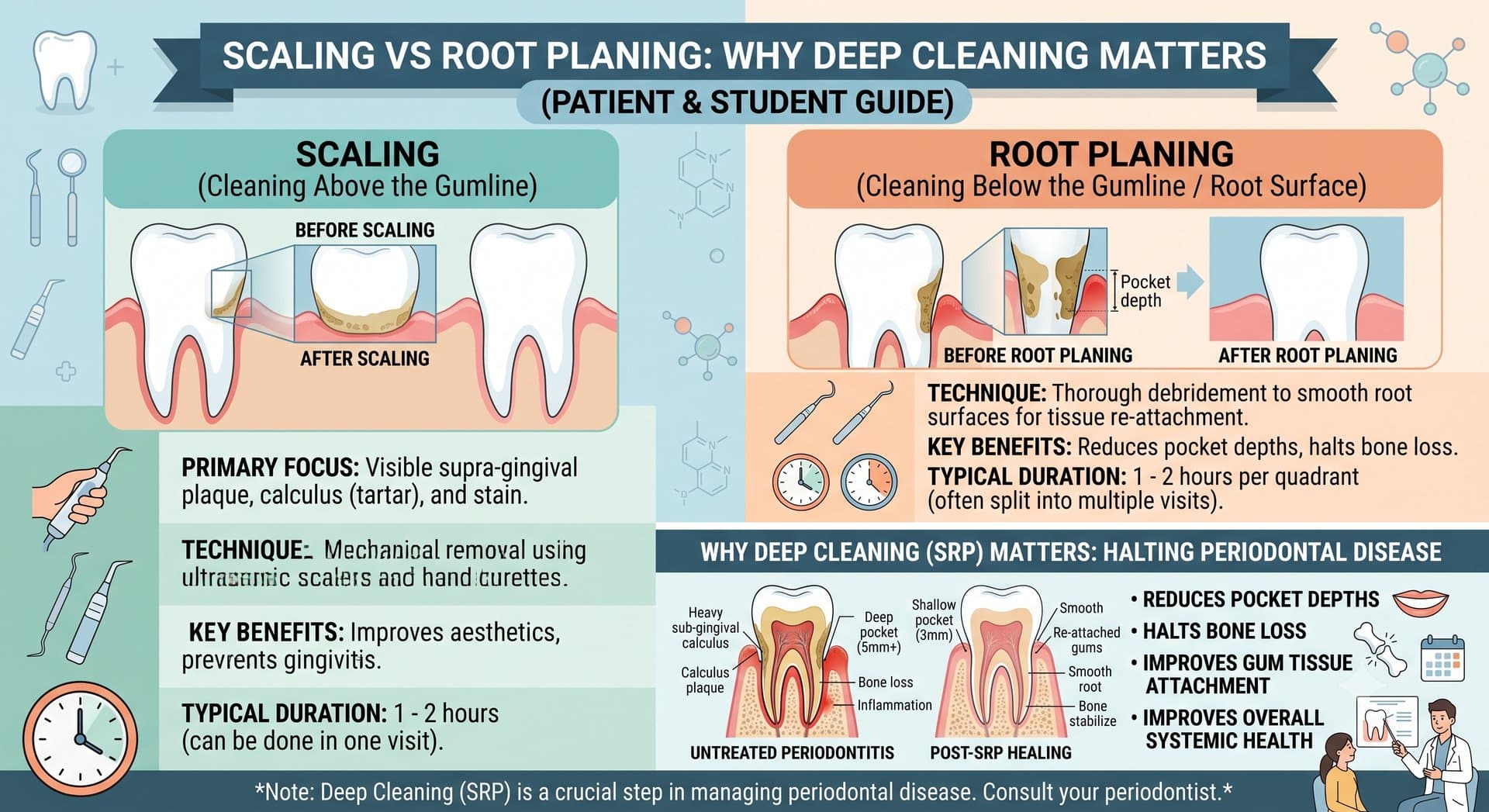
Confused about the difference between standard dental scaling and deep root planing? A clinical guide for patients facing gum issues and dental students mastering periodontology instrumentation, Gracey curettes, and subgingival healing.
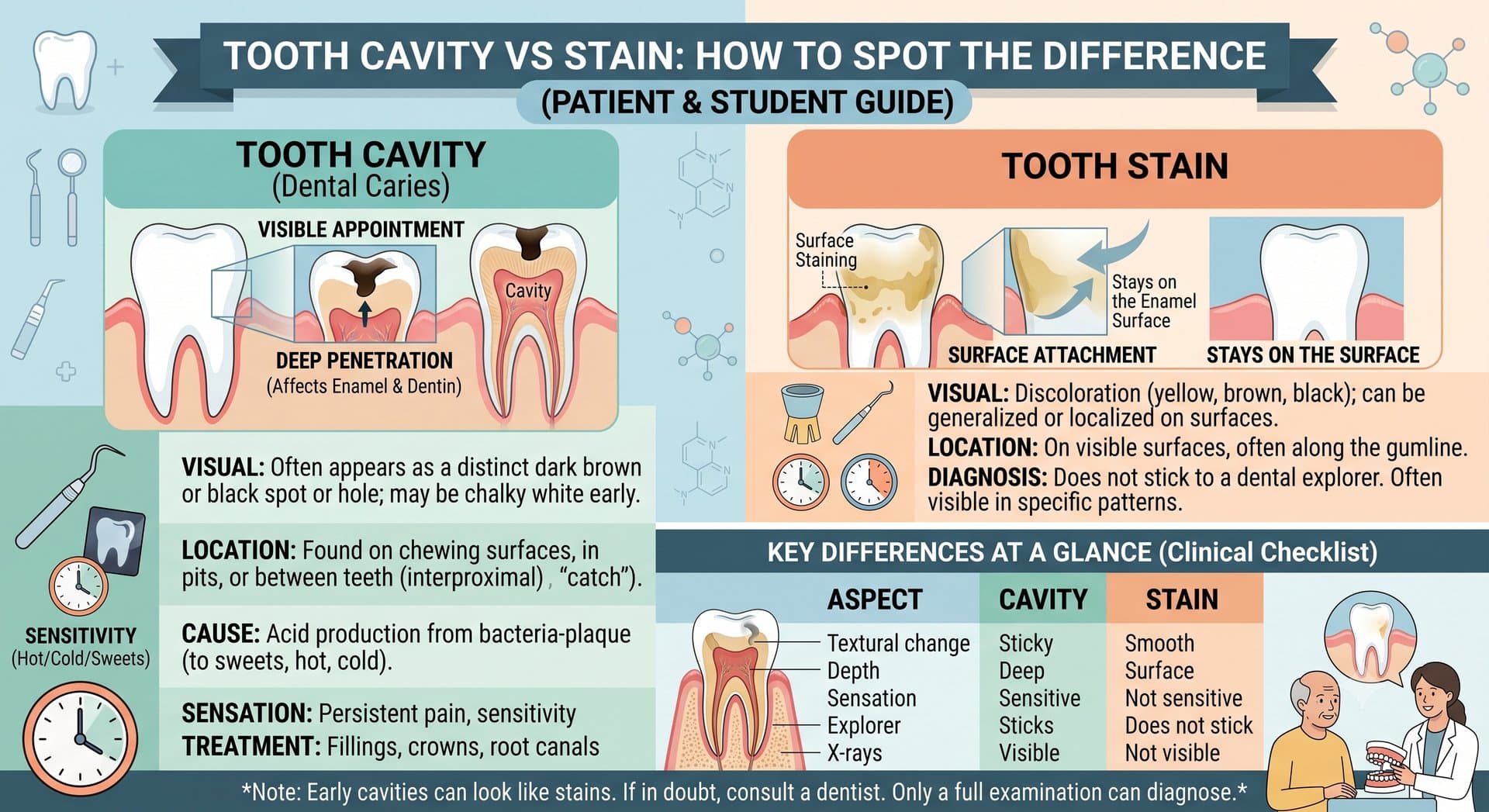
Is that black line on your molar a cavity or just a stain? A clinical guide for patients concerned about tooth discoloration and dental students mastering caries diagnosis and ICDAS criteria.
"See you in six months" is the most repeated line in dentistry, and it was never meant to apply to everyone equally. Here's how dentists actually decide recall intervals based on individual risk, and how to work out what your own should be.
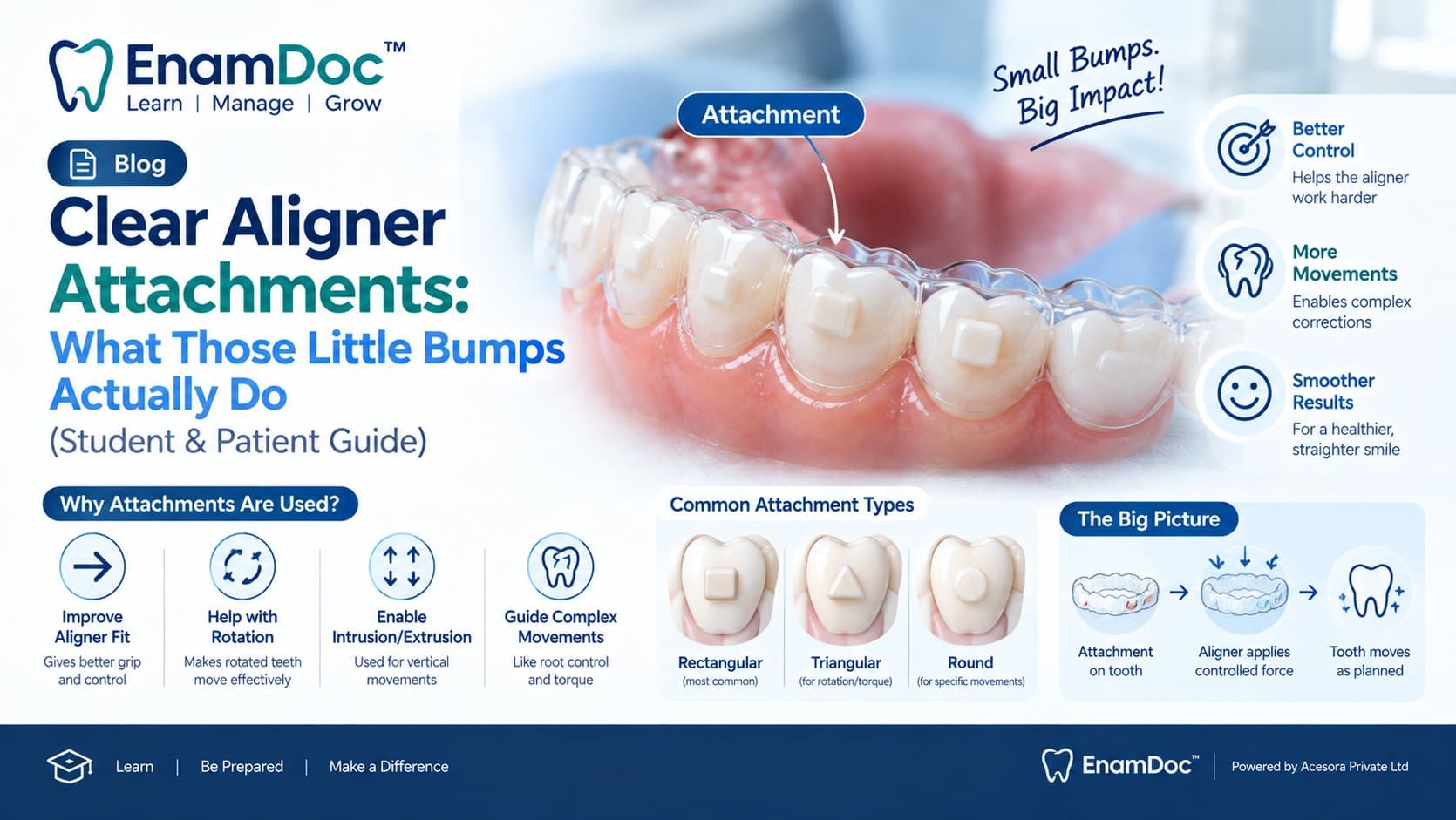
Halfway through clear aligner treatment, small tooth-colored bumps start showing up on your teeth that weren't part of the smile you pictured. Here's what attachments actually do, why some tooth movements can't happen without them, and how to keep them clean.
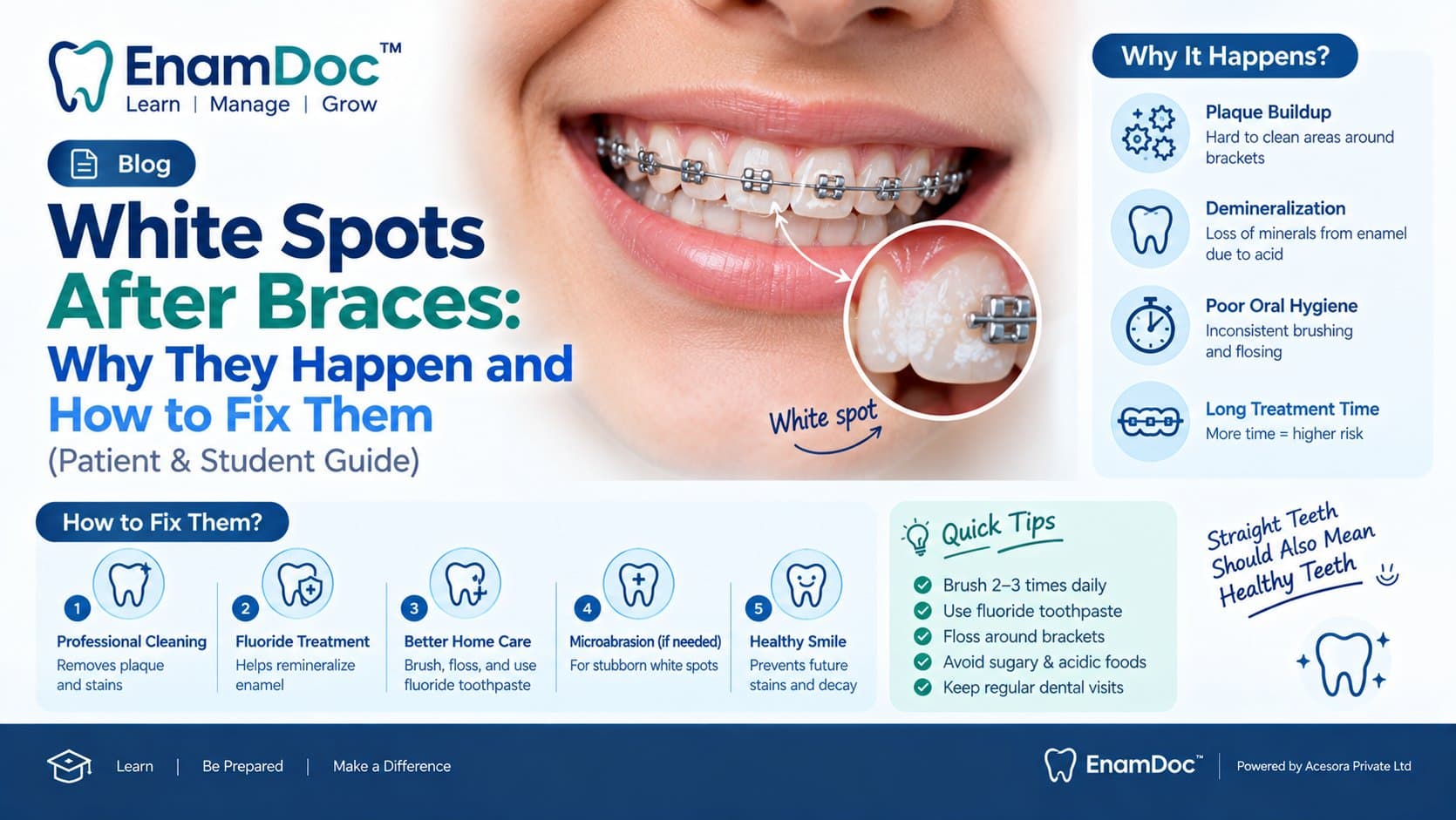
Those chalky patches that show up the day your braces come off aren't stains — they're early enamel mineral loss called decalcification. Here's why it happens around brackets, what actually prevents it, and what can be done once it's already there.
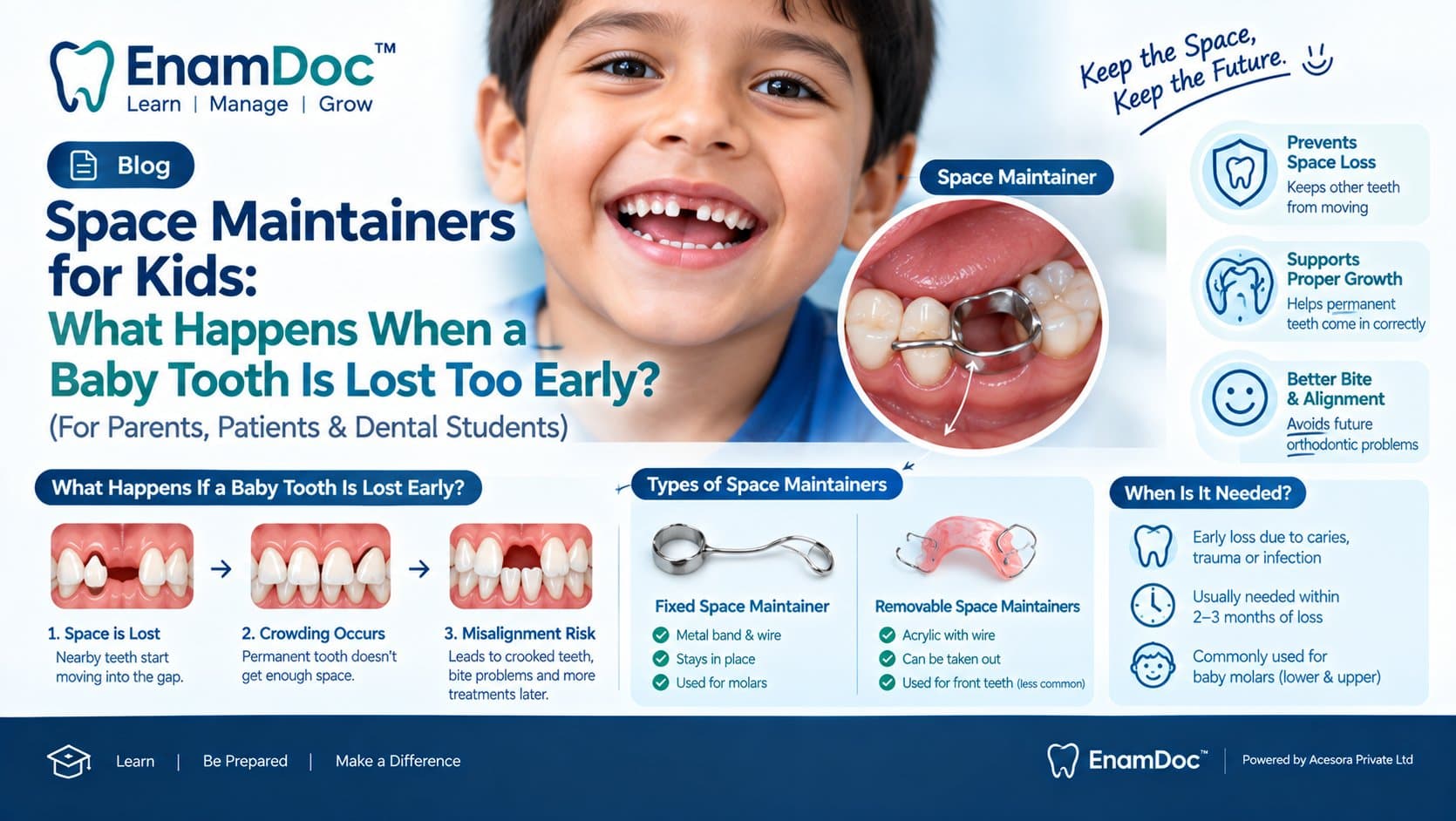
A baby molar lost years before it was due to fall out doesn't just leave a gap — it can let neighboring teeth drift and crowd out the permanent tooth underneath. Here's when a space maintainer is genuinely needed, what the options cost, and what happens if you skip it.
Choosing between a modern zirconia crown and a traditional porcelain-fused-to-metal (PFM) cap? A complete guide for patients comparing costs and aesthetics, and dental students mastering tooth reduction depths, marginal finish lines, and ceramic bonding.
Excruciating pain 3 days after a tooth extraction? A comprehensive guide for patients navigating dry socket recovery and dental students mastering the biological fibrinolysis cascade, risk factors, and chairside paste management.
Aligners promise invisibility, braces promise reliability -- but the real decision comes down to how complex your bite is, not which one looks better in photos. Here's the framework dentists actually use.
In-office bleaching, take-home trays, and OTC strips all whiten differently -- and cost differently. Here's what separates a Rs.1,500 kit from a Rs.25,000 in-clinic session, and what happens to your enamel either way.
Most parents wait until something looks wrong. Dentists recommend a first visit by age one instead — before there's anything to treat at all. Here's why, and what the appointment actually involves.
A straightforward extraction can cost under ₹5,000. A fully impacted, bone-covered molar can cross ₹20,000. Here's what actually separates the two, and what recovery looks like day by day.
A quick jolt from ice cream or hot tea that fades in seconds has a specific mechanism behind it — and a specific fix. Here's what's actually exposing the nerve, and what helps beyond switching toothpaste.
Pain that spikes when you bite and spikes again the instant you release isn't a cavity — it's the signature of a cracked tooth. Here's why it happens, what it means, and how treatment depends on how deep the crack runs.
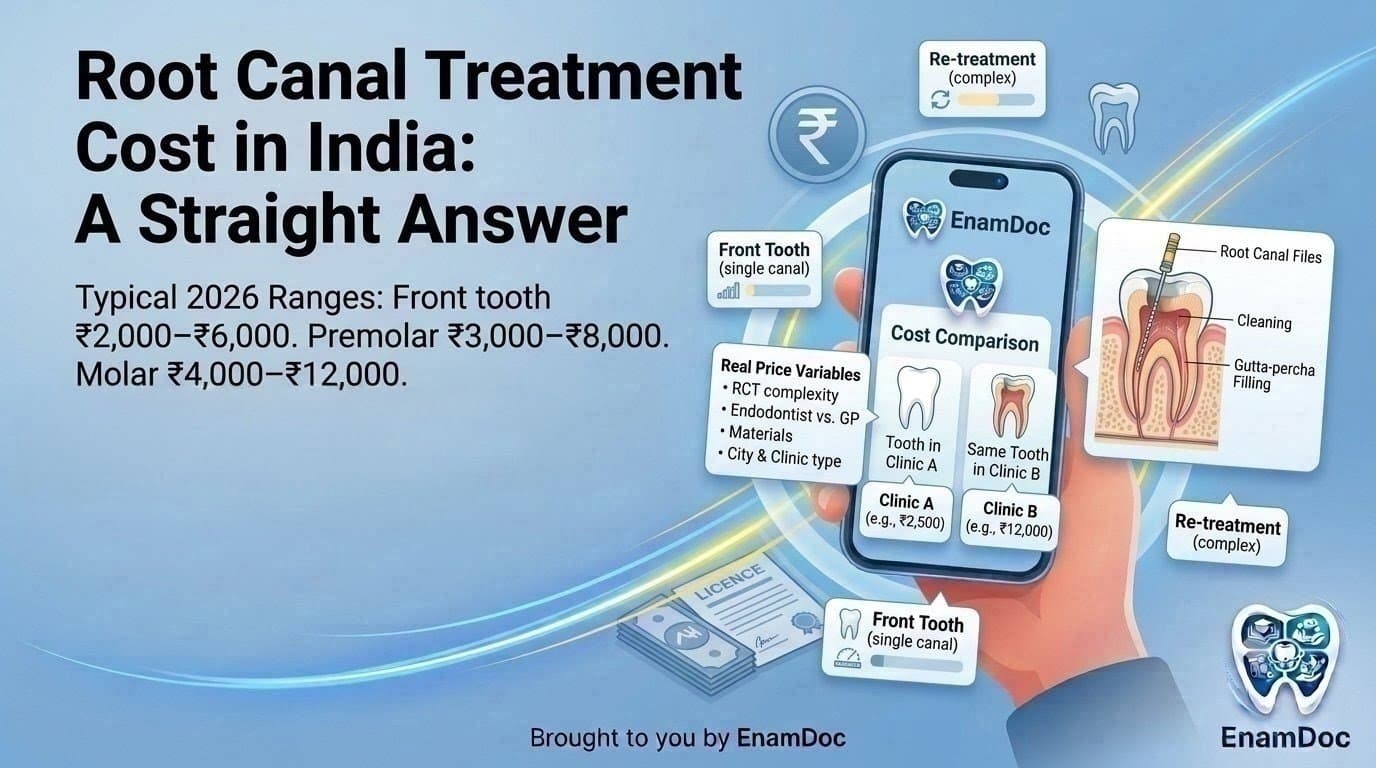
A root canal can cost ₹2,500 on a front tooth or ₹20,000+ on a molar retreatment — and the crown isn't usually included in either number. Here's what actually drives the price, tooth by tooth.
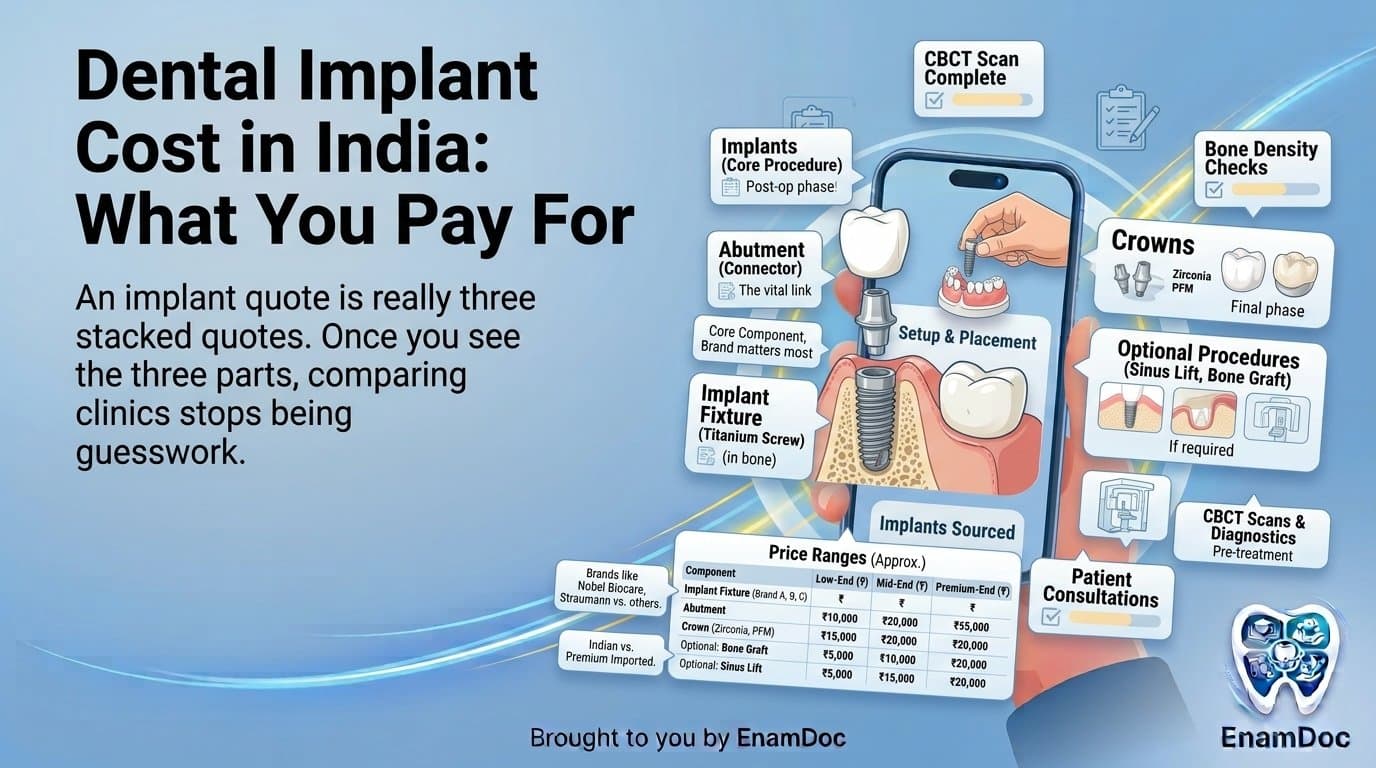
A single implant in India can cost anywhere from ₹25,000 to over ₹90,000, and the gap isn't random. Here's what actually separates a low quote from a high one — and how to compare estimates properly.
Dark or black gums are usually just melanin, not disease — but if you're considering gum depigmentation, here's what actually causes it, how the procedure works, and what recovery looks like.
Overbite, underbite, and crossbite are three different bite problems, not one. Here's how dentists actually classify malocclusion, what causes it, and how treatment differs by age and severity.
Dental lasers are real and routinely used — but only for a specific set of procedures. Here's what laser dentistry actually treats, what it doesn't replace, and whether it's worth asking for.
Receded gums don't grow back on their own. Here's how gum grafting actually works, the three main graft types, what recovery looks like, and what it costs in India.
Dry mouth, root decay, and gum disease become far more common after 60 — often driven by medications, not age itself. Here's what actually changes and what to do about it.
Once you've decided on fixed braces, the real choice is which type. Here's how metal, ceramic, self-ligating, and lingual braces actually differ in cost, visibility, and treatment experience.
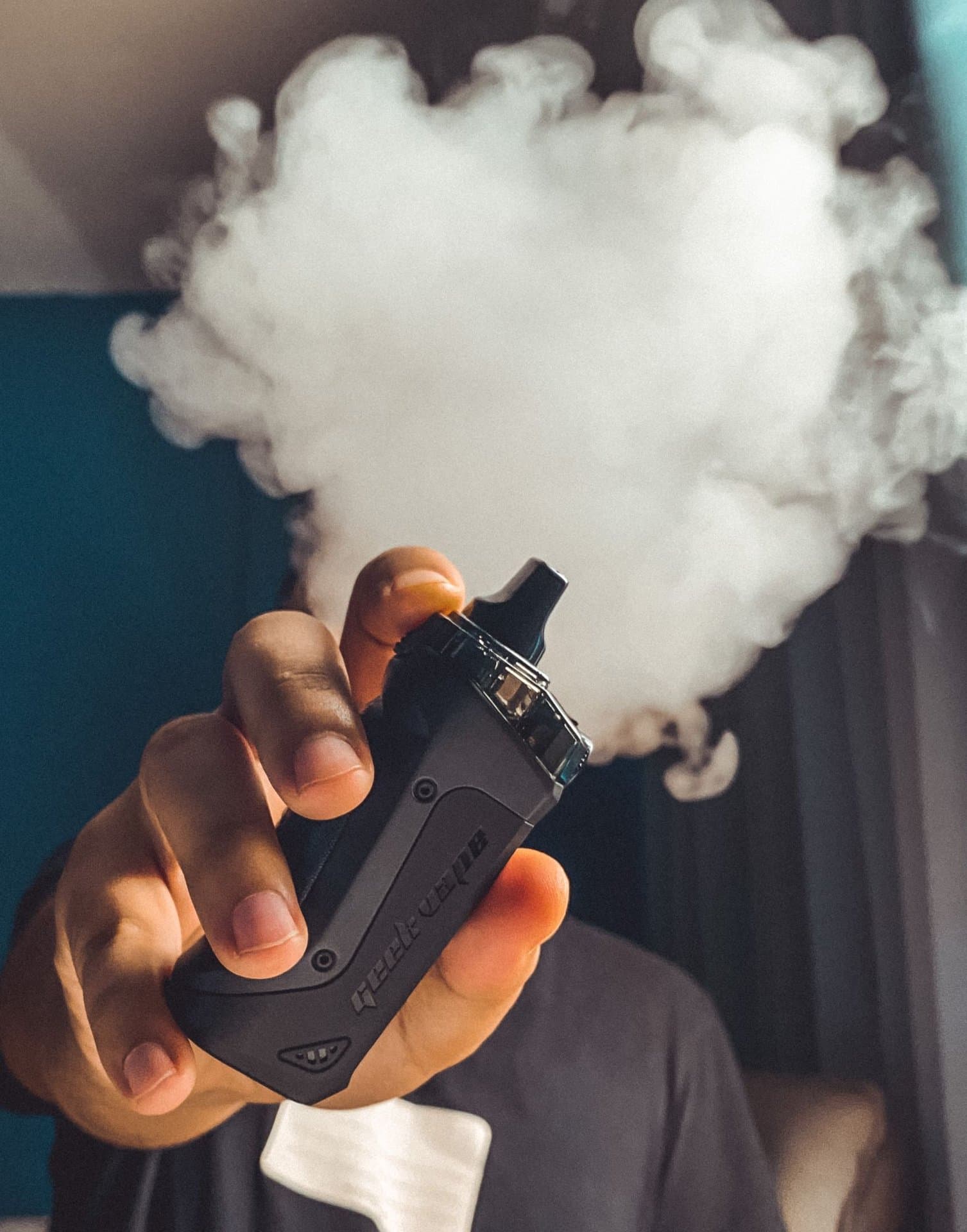
Vaping isn't the same assault on gum tissue that smoking is — but it isn't harmless either, and some of what it does is easy to miss. Here's what the research actually shows.
A toddler with visibly decayed front teeth catches most parents off guard. Here's the specific bottle-feeding mechanism behind it, and what actually prevents it.
The rules on antibiotics before dental work have narrowed a lot since the advice you may have been given years ago. Here's who actually still needs it.
If you've been told you need a sinus lift before an upper implant, here's what's actually happening, how long recovery really takes, and when it can be skipped.
Acid, not sugar, is what actually dissolves enamel — and it's hiding in drinks most people consider healthy. Here's which ones are the biggest risk, and what actually helps.
Nearly every baby sucks a thumb or pacifier, and most grow out of it with no dental impact at all. Here's the age and pattern that actually turns it into an orthodontic problem.
Most mouthwash bottles promise complete protection, but antiseptic, fluoride, and cosmetic rinses are built to do very different jobs. Here's how to tell which one your mouth actually needs.
One crown is scanned, milled, and fitted in a single visit. The other takes two visits and a temporary. Here's what actually changes between them, and what doesn't.
Osteoporosis medication doesn't automatically rule out dental implants — but the type of drug, the dose, and how long you've been on it all change the risk calculation.
When a child's baby tooth decay reaches the nerve, "root canal" sounds alarming — but the child version is faster, gentler, and has a genuinely different goal than an adult's.
Not every tight lingual frenulum needs a snip. Here's how tongue-tie is actually assessed, and why paediatric dentists and lactation consultants don't always agree on when to treat it.
Composite bonding fixes a large share of chips and small gaps in a single visit for a fraction of a crown's cost. Here's when it's the right call, and when it isn't enough.
A gummy smile can come from excess gum tissue, jaw growth, a hyperactive lip, or worn teeth — and each cause needs a completely different fix. Here's how to tell them apart.
An implant isn't a single appointment — it's a sequence that runs 4 to 12 months depending on bone health. Here's what actually happens at each stage, and why the wait can't be rushed.
A wisdom tooth that's only partway out leaves a flap of gum that traps food and bacteria. Here's why pericoronitis flares up, when it's urgent, and how it's actually treated.
Porcelain veneers cost ₹8,000–₹40,000+ per tooth in India. Here's what actually changes the price — material, tooth prep, and lab quality — so you can compare quotes properly.
All-on-4 replaces a full arch of teeth on just four implants, but the price and the recovery timeline depend on details most patients never ask about. Here's what candidacy, cost breakdown, and healing actually look like.
Sedation dentistry isn't one thing — nitrous oxide, oral conscious sedation, IV sedation, and general anaesthesia each suit different levels of anxiety and different procedures. Here's how to tell which one actually applies to you.
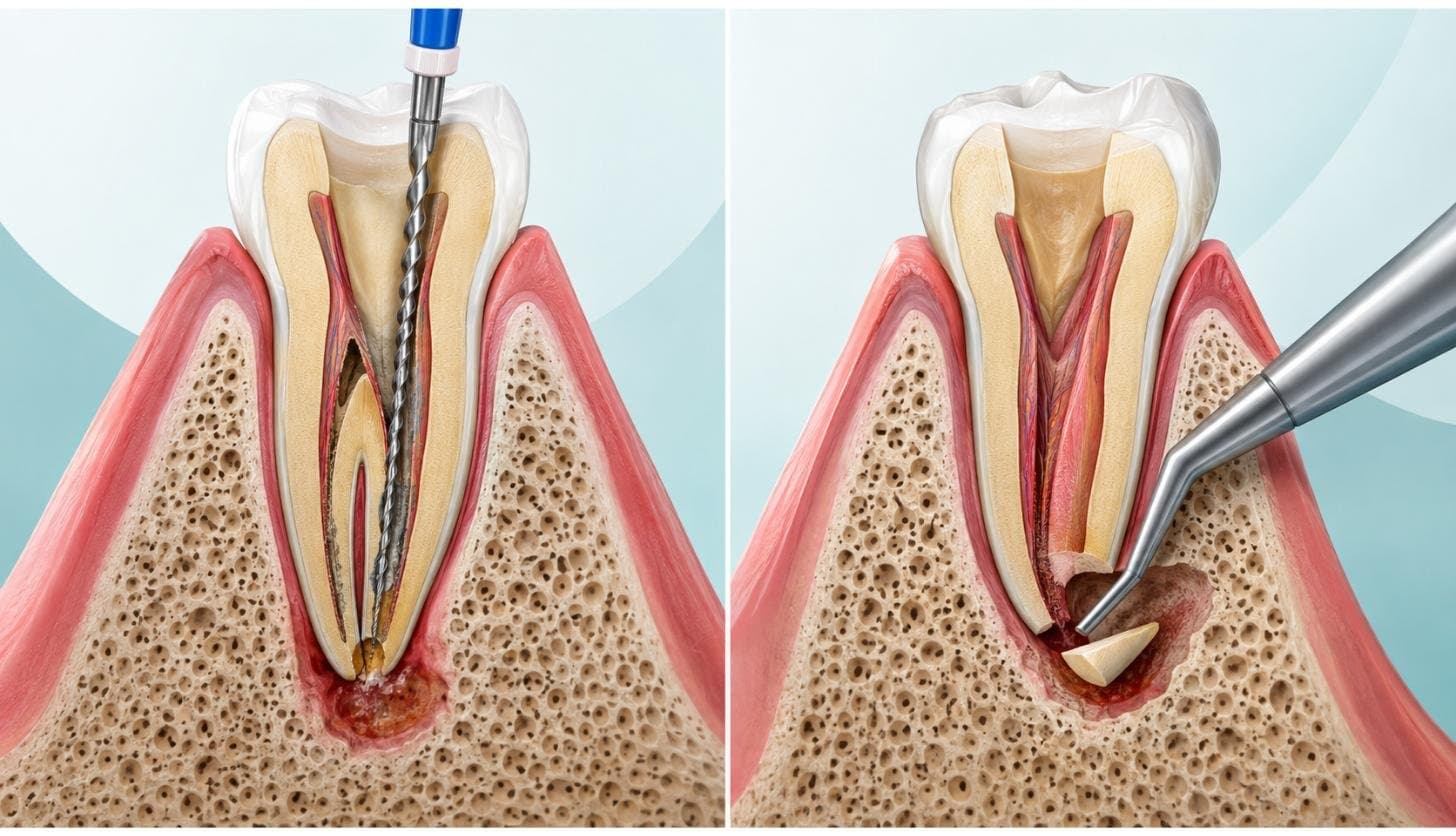
When a root canal fails, there are three real paths forward — retreatment, apicoectomy, or extraction — and the right one depends on root structure and history, not on which is cheapest.
A missing front tooth is a different decision from a missing back tooth — the aesthetic zone has its own criteria. Here's how implants, bridges, and partial dentures actually compare for a single visible tooth.
A child who habitually breathes through their mouth isn't just developing a habit — it can quietly reshape a growing jaw. Here's what causes it, what to watch for, and why dentists are often the first to notice.
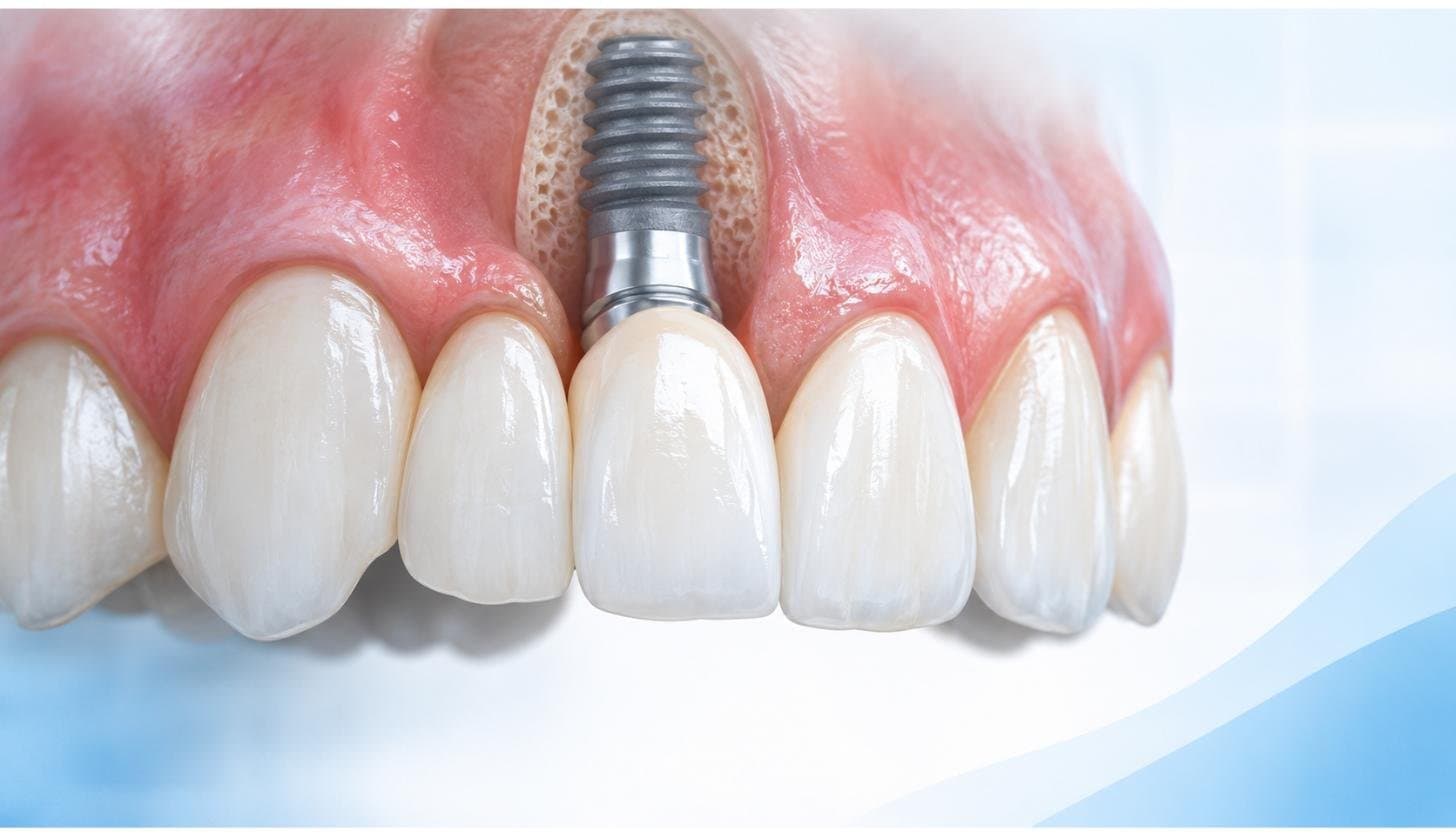
Bone loss around a dental implant rarely hurts until it's advanced. Here are the early warning signs worth acting on, the real risk factors, and how treatment differs by stage.
Saliva does constant, invisible work protecting your teeth. Here's what causes chronic dry mouth, why it raises cavity risk fast, and what actually helps.
Standard health insurance in India generally excludes routine dental care. Here's what dedicated dental plans actually cover, where waiting periods bite, and what to check before buying one.
Dentures need their own daily routine, and habits carried over from natural teeth often damage them. Here's what actually keeps dentures clean, comfortable, and lasting longer.
A baby-teeth eruption chart by age, what counts as normal variation, real teething symptoms versus myths, and when it's worth checking in with a dentist.
Dental treatment in India can cost a fraction of Western pricing without sacrificing quality, but only if you verify the clinic properly first. Here's how to do that, and how to plan the trip.
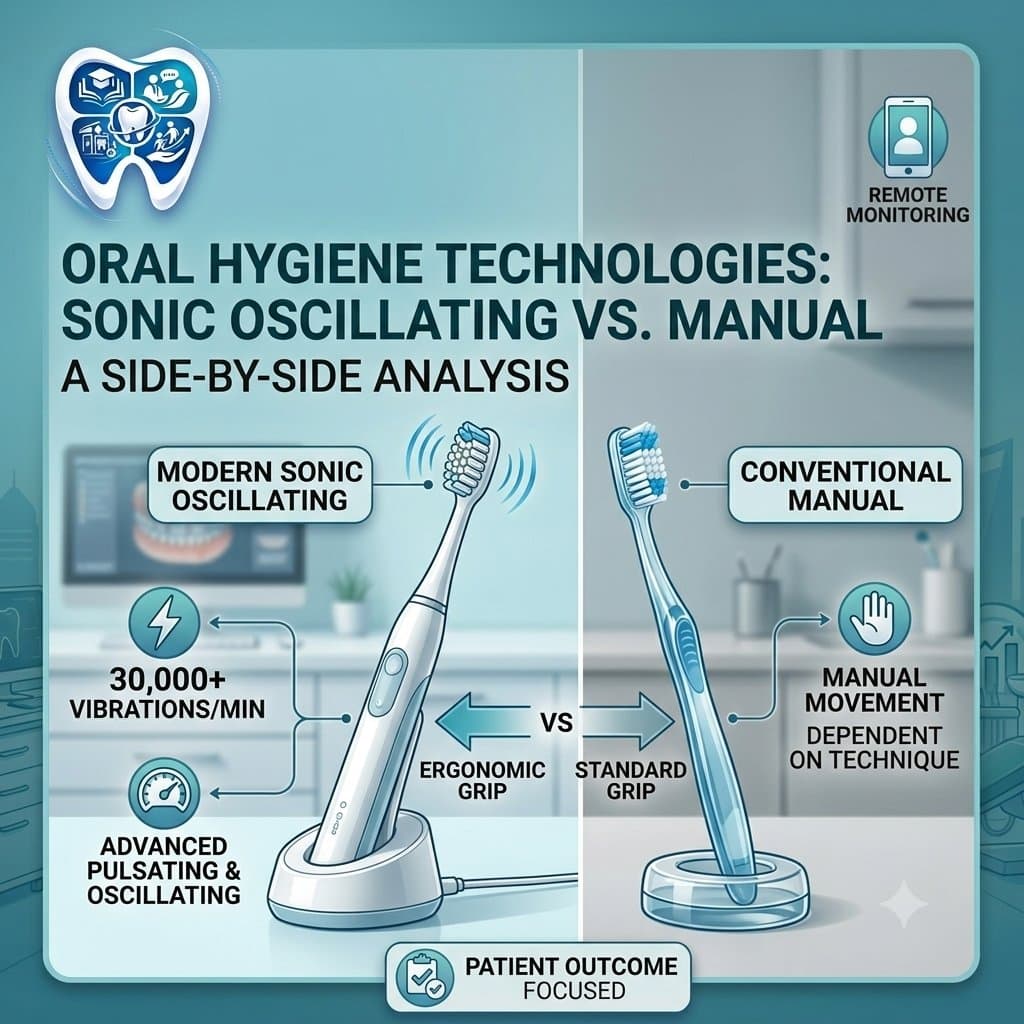
Does a high-end powered brush deliver cleaner teeth, or is it an expensive gimmick? Here is the clinical evidence comparing plaque removal and gum safety.
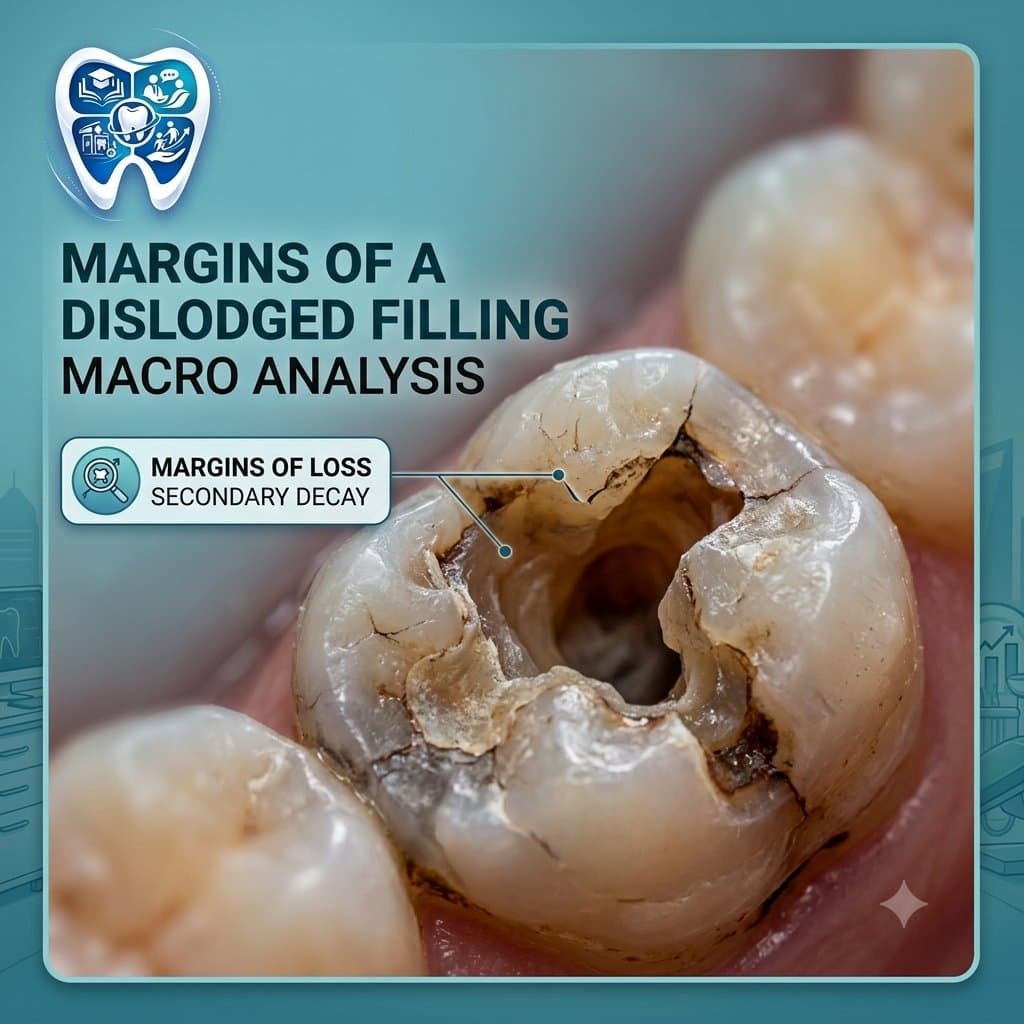
lost filling exposes inner dentin to rapid bacterial invasion. Here is why restorations fail, how dentists reconstruct them, and how to protect the tooth immediately.
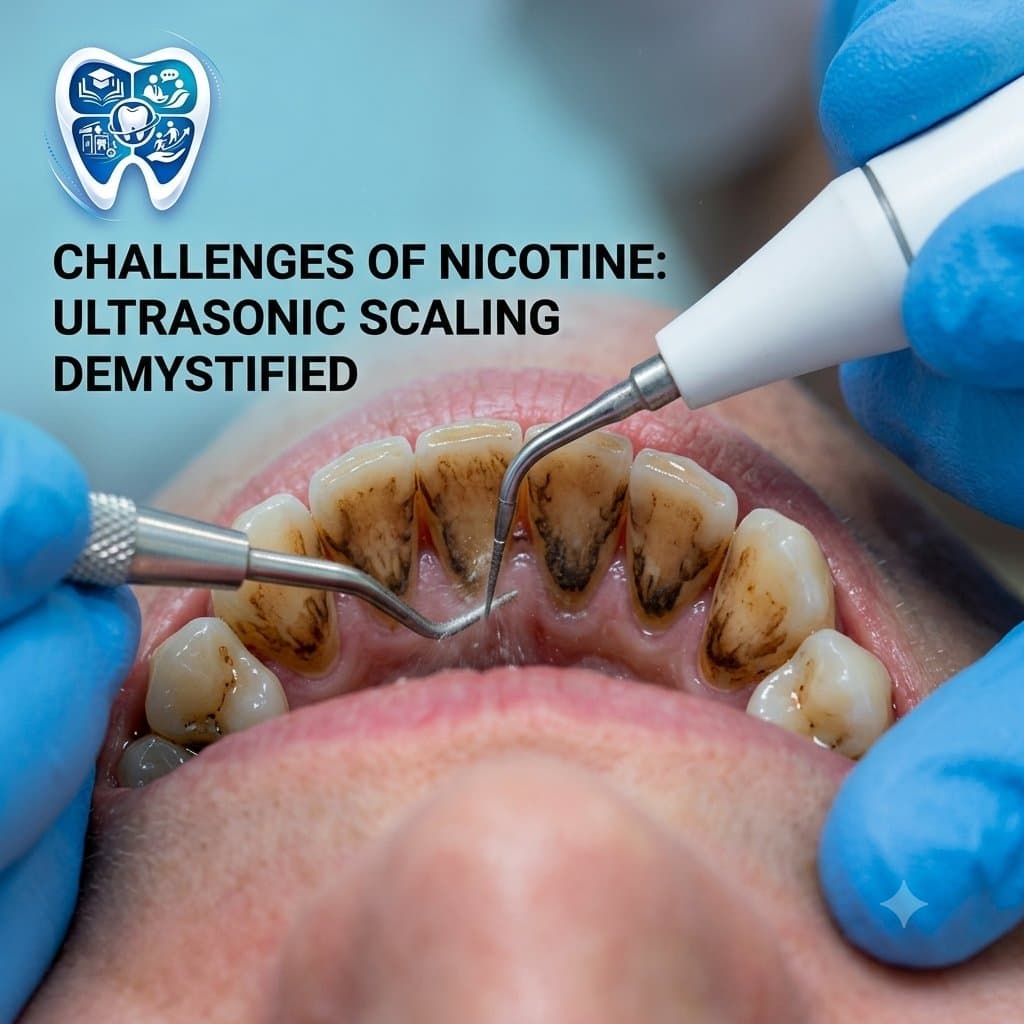
Scaling removes dark nicotine stains, but it cannot reverse vascular constriction or silent bone loss. Here is what dental cleaning actually achieves for smokers.
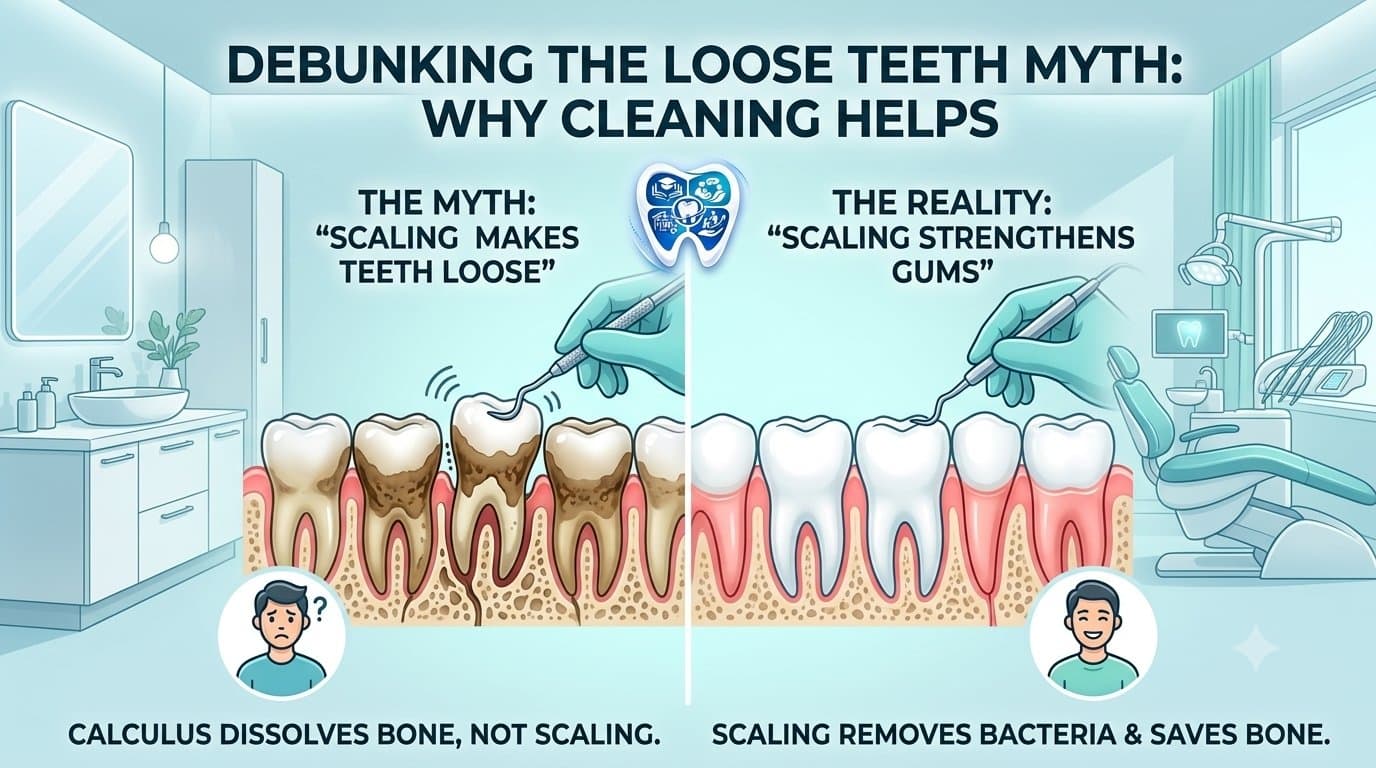
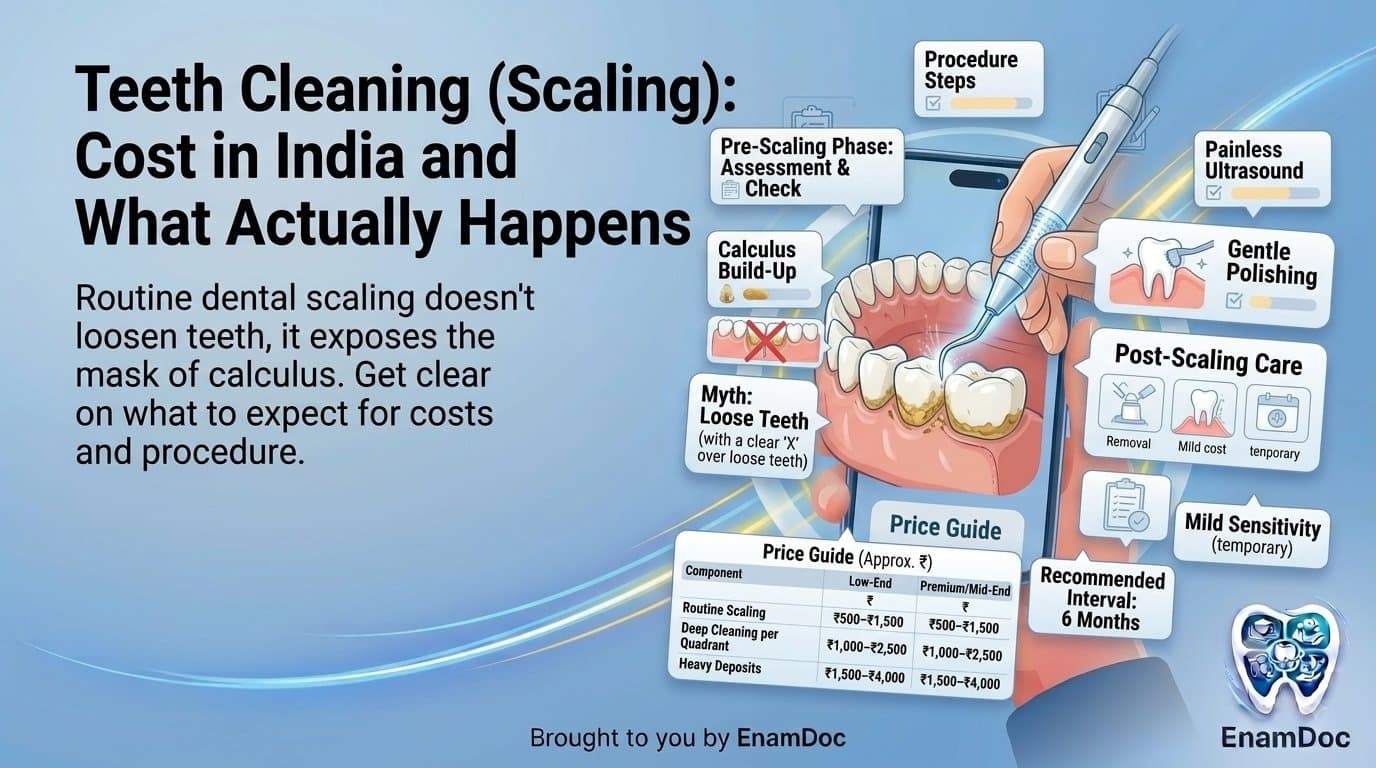
Loose teeth after scaling? It's a dangerous myth. EnamDoc explains how calculus causes bone loss, why cleaning feels different, and why scaling is critical to strengthen gums, not weaken them.
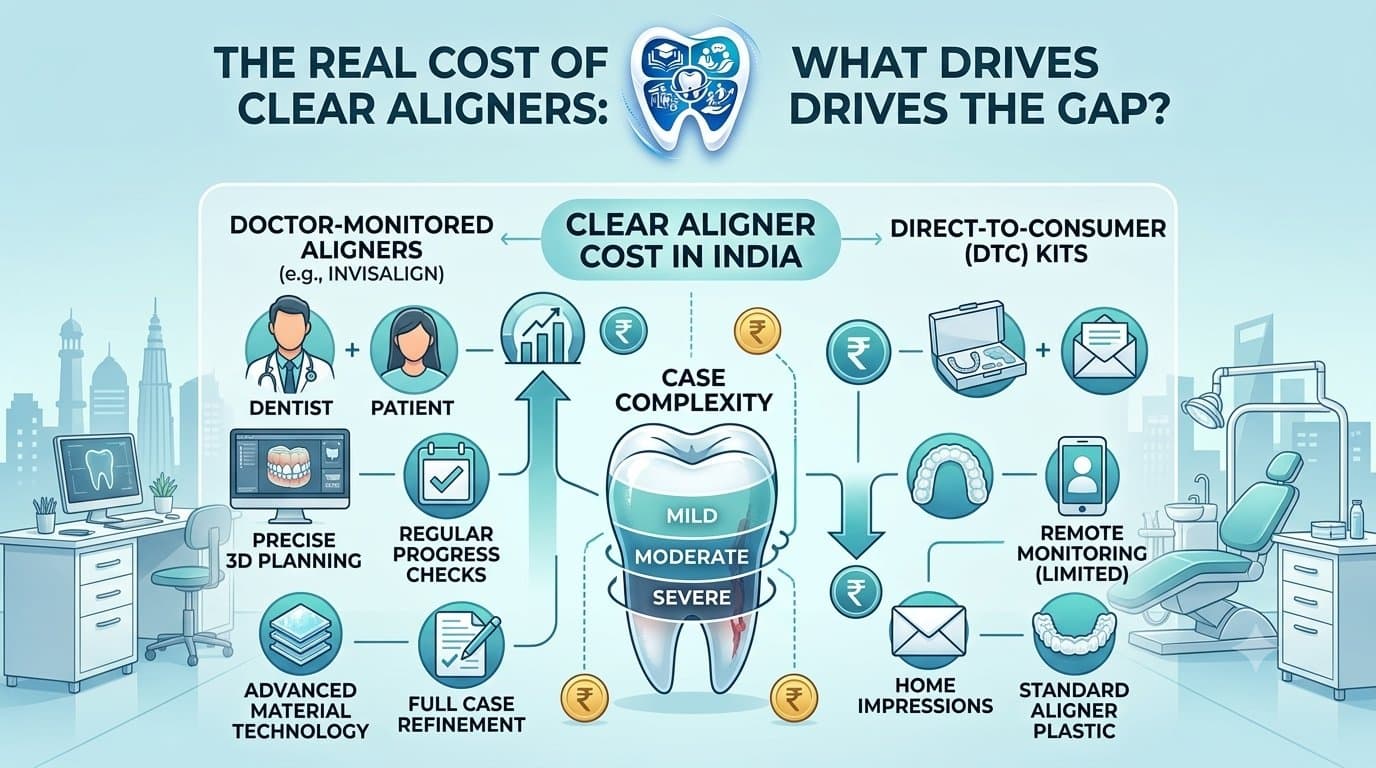
Navigate the real cost of clear aligners in India. At EnamDoc, we compare brands like Invisalign vs. DTC kits, and explore how case complexity and doctor monitoring drive the price gap.
Milk teeth (baby teeth) are crucial. EnamDoc highlights the 'hidden cost' of ignoring cavities, including space maintenance, speech issues, and the critical danger to permanent teeth development.
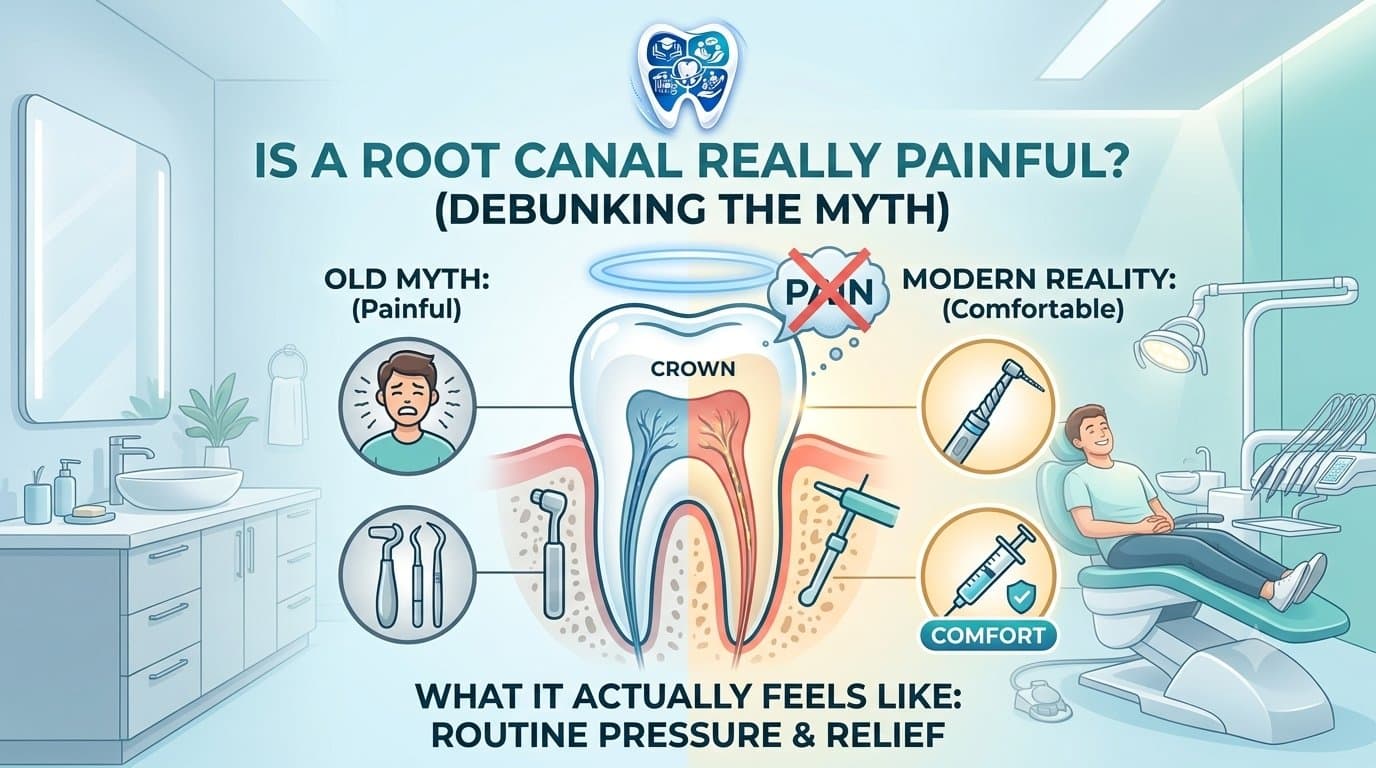
Is a root canal painful? At EnamDoc, we debunk the oldest dental myth. Learn how modern local anaesthetics and rotary endodontics turn this feared procedure into a routine, comfort-focused experience.
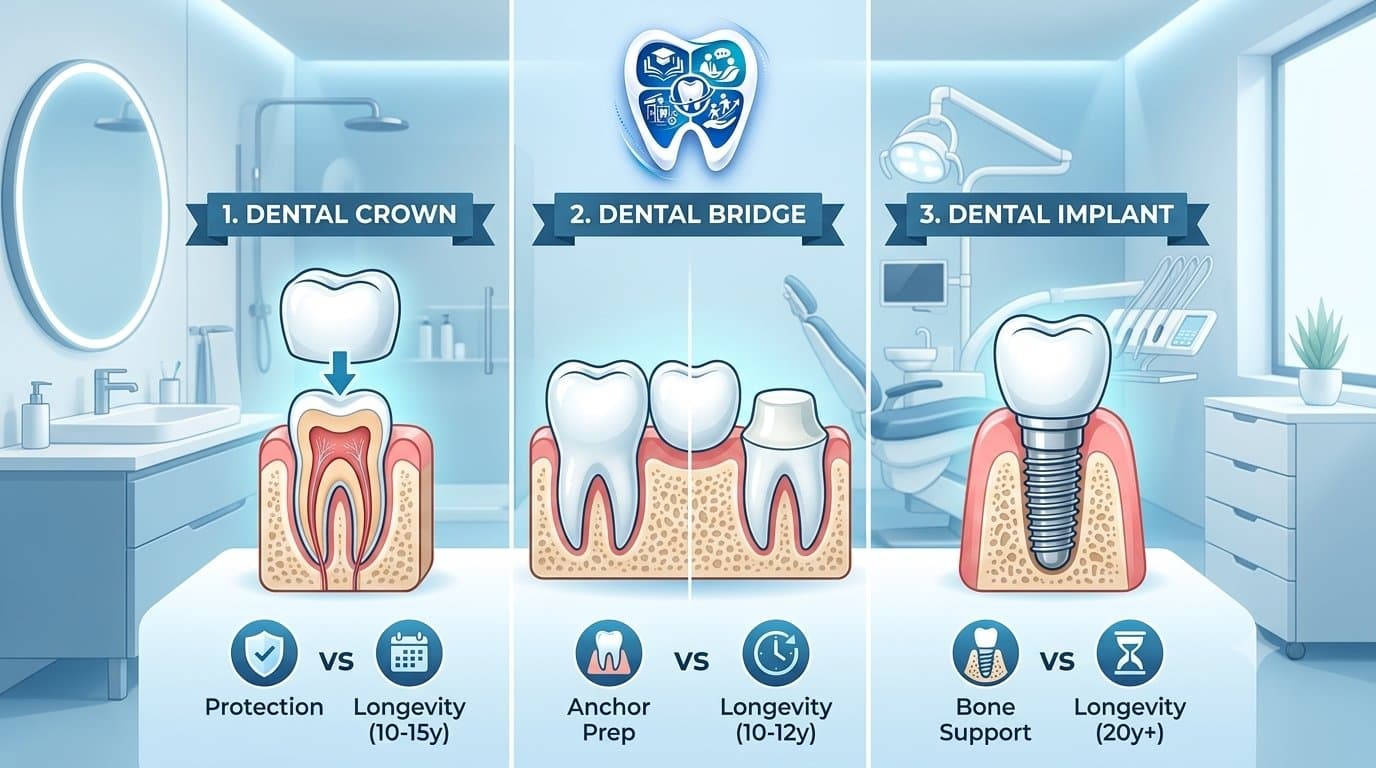
Compare dental crowns, bridges, and implants. A detailed breakdown of cost, tooth preservation, longevity, and clinical criteria to help patients decide which restoration is right for their smile.
A 2026 American Heart Association statement puts real numbers behind a link dentists have flagged for years — though treating your gums still isn't proven to protect your heart.
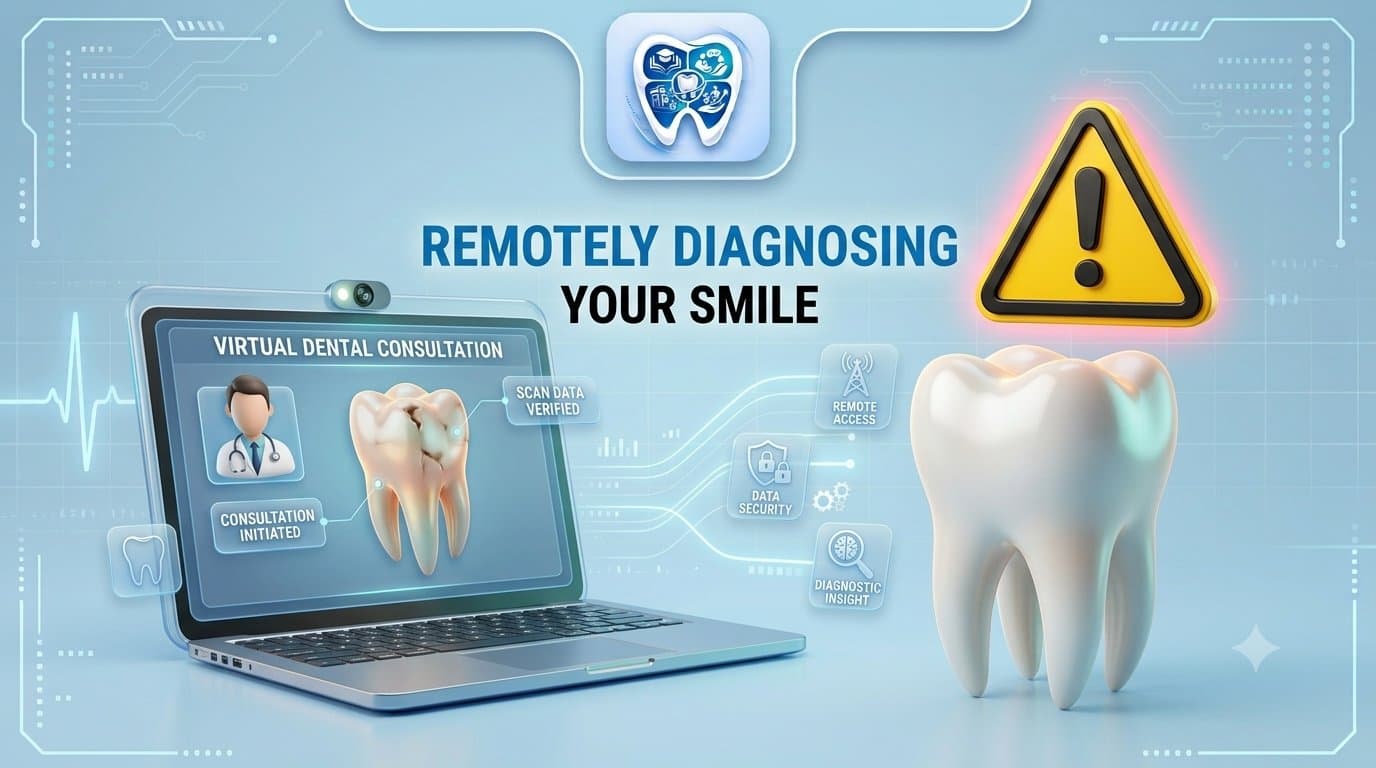
A survey of Indian dentists found most believe video consultations help patients — and just as many flagged real limits on what a screen can safely diagnose.
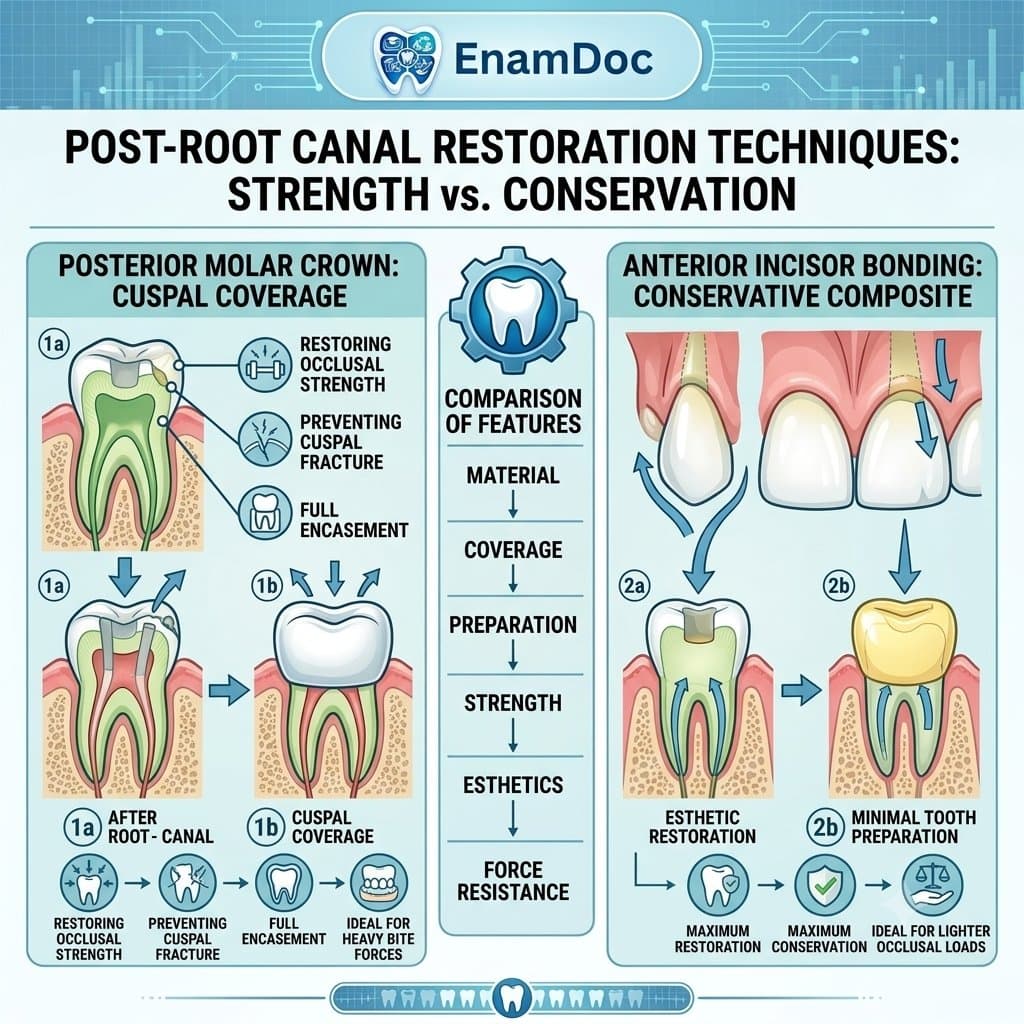
Wondering if you truly need a crown after a root canal? Learn why molars require full cuspal protection, when front teeth can skip a cap, and the real risks of tooth fracture.
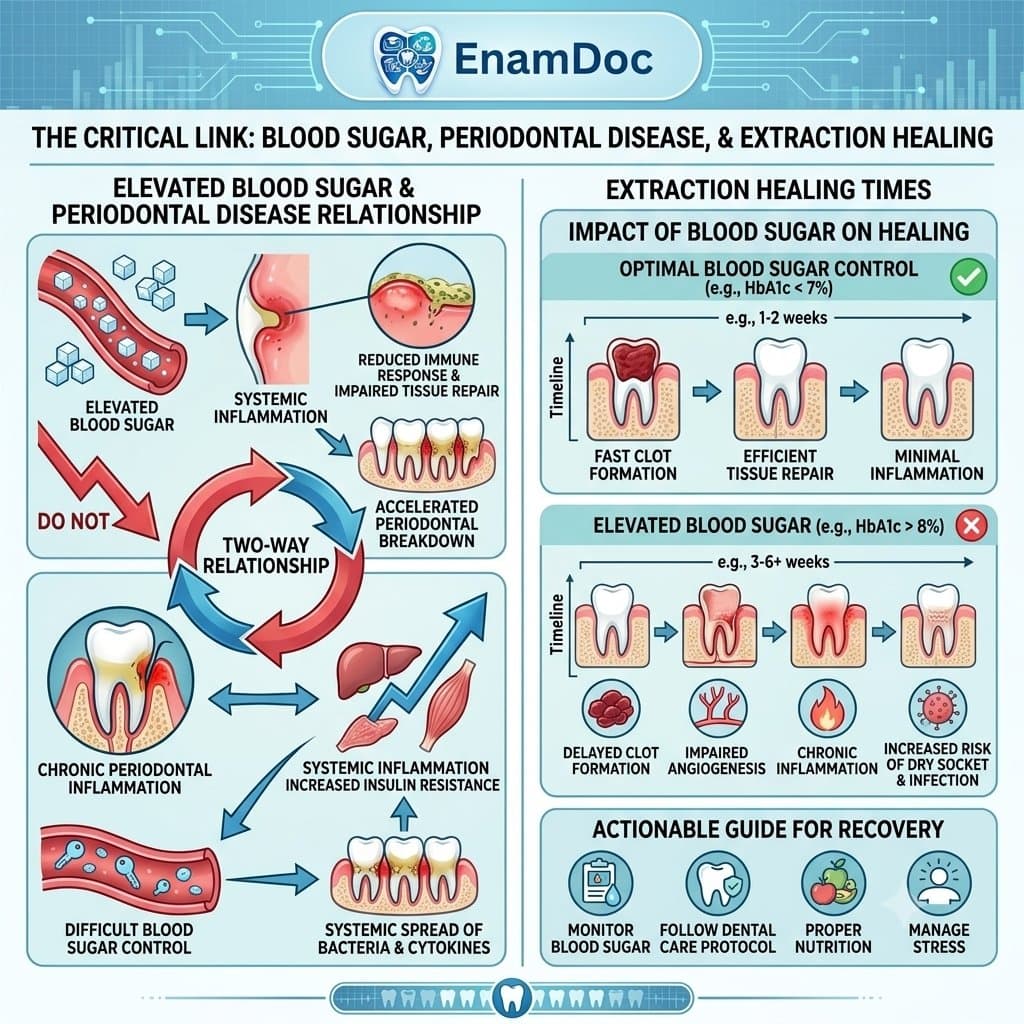
Discover the critical two-way relationship between blood sugar control and periodontal disease, plus what diabetic patients must know about dental extractions and healing.
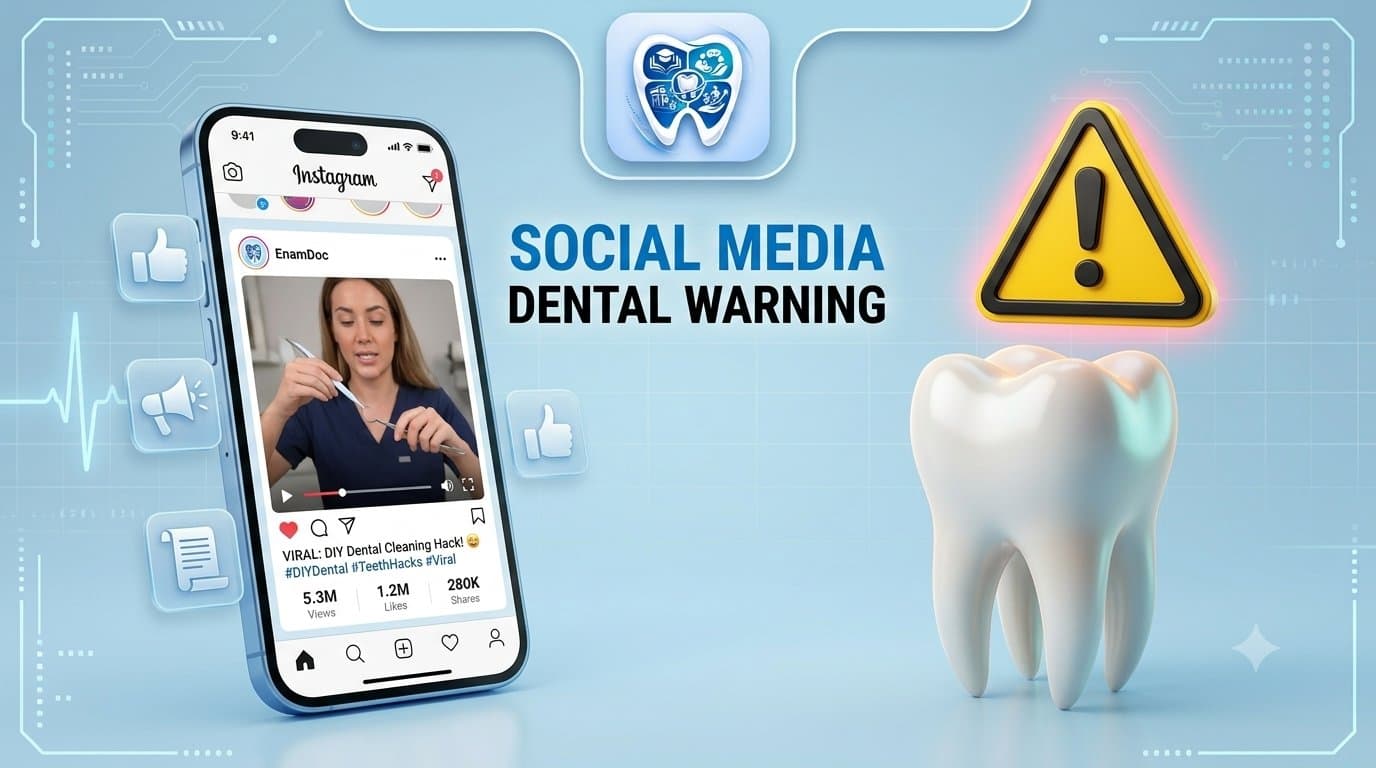
Thinking of using activated charcoal or DIY concoctions to whiten your teeth? Discover why dentists warn against enamel abrasion and explore safer, evidence-based alternatives.
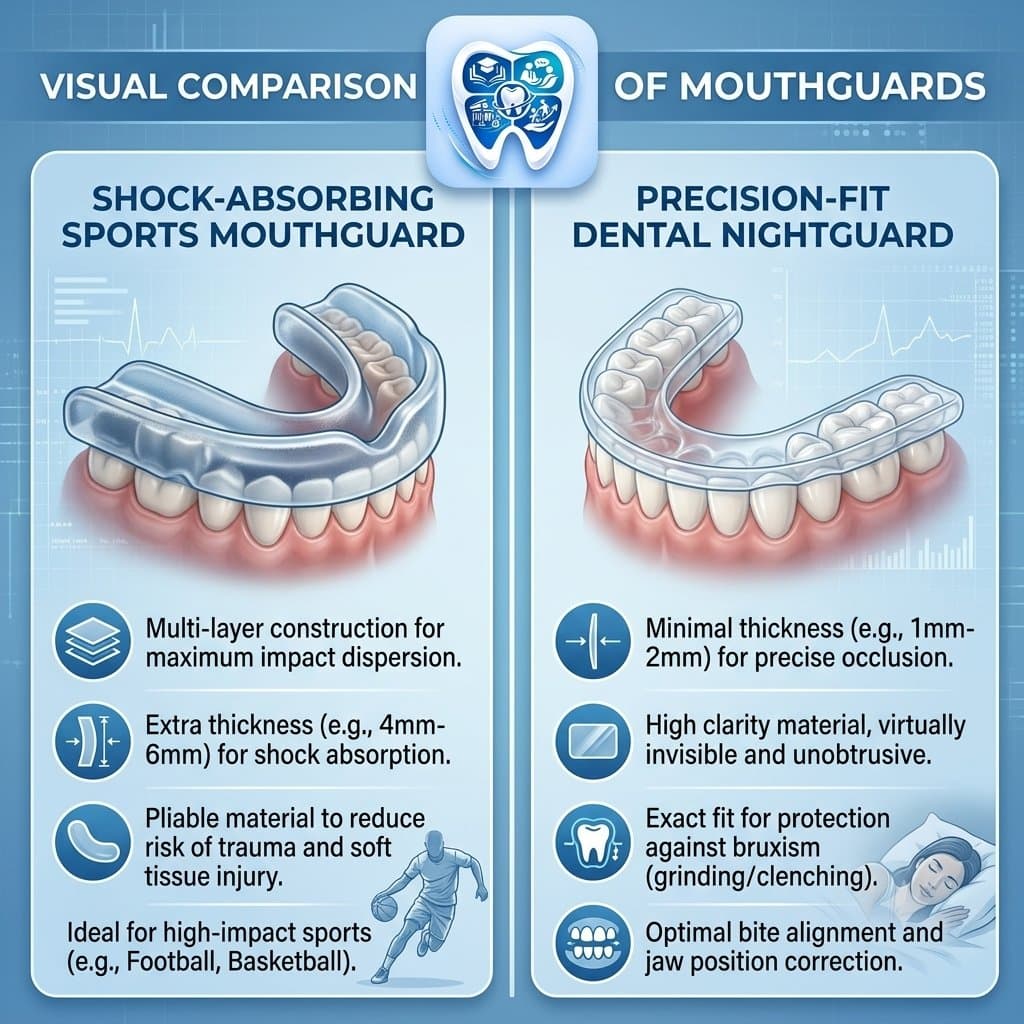
Think an athletic mouthguard can double as a nightguard? Discover the critical differences in materials, fit, and biomechanics—and why swapping them risks your oral health.
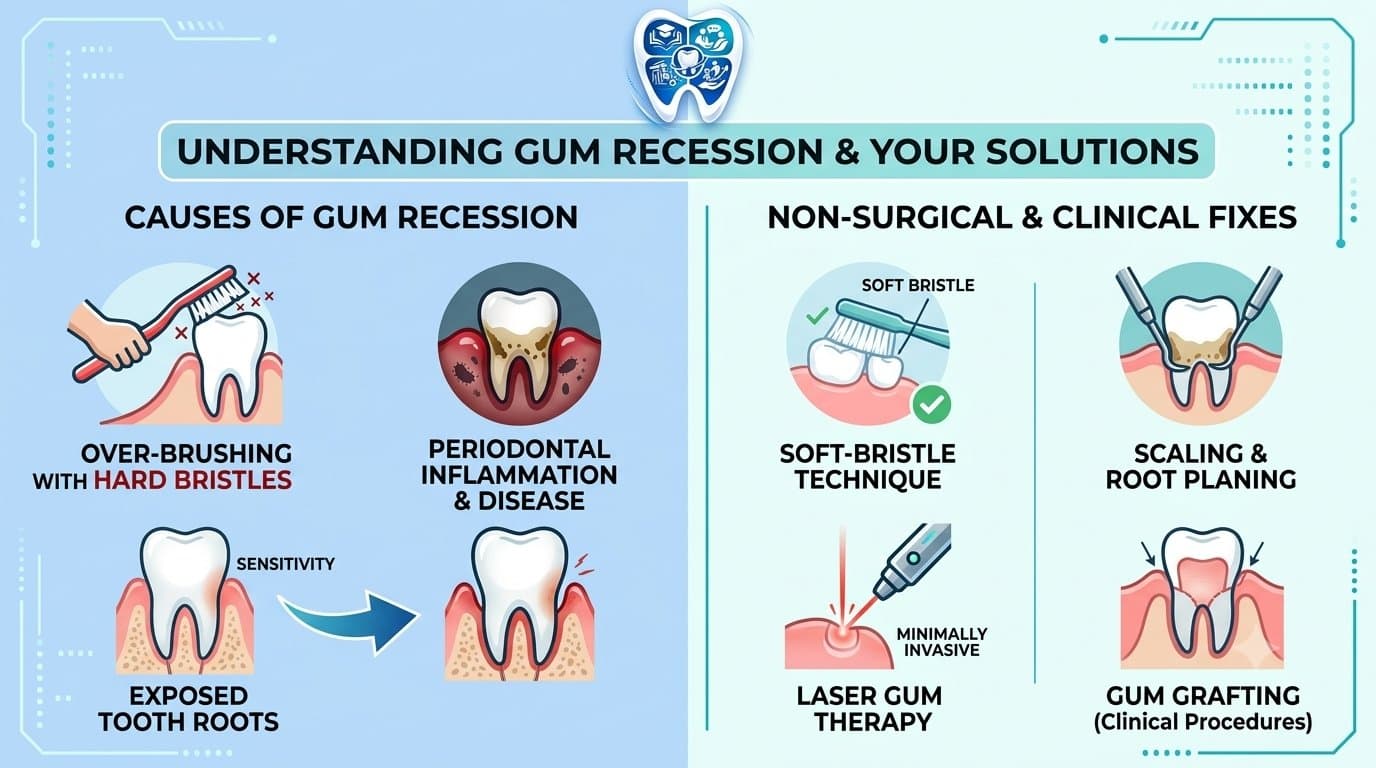
Discover what triggers gum recession—from aggressive brushing to periodontal disease—alongside early warning signs, non-surgical therapies, and modern restorative options.
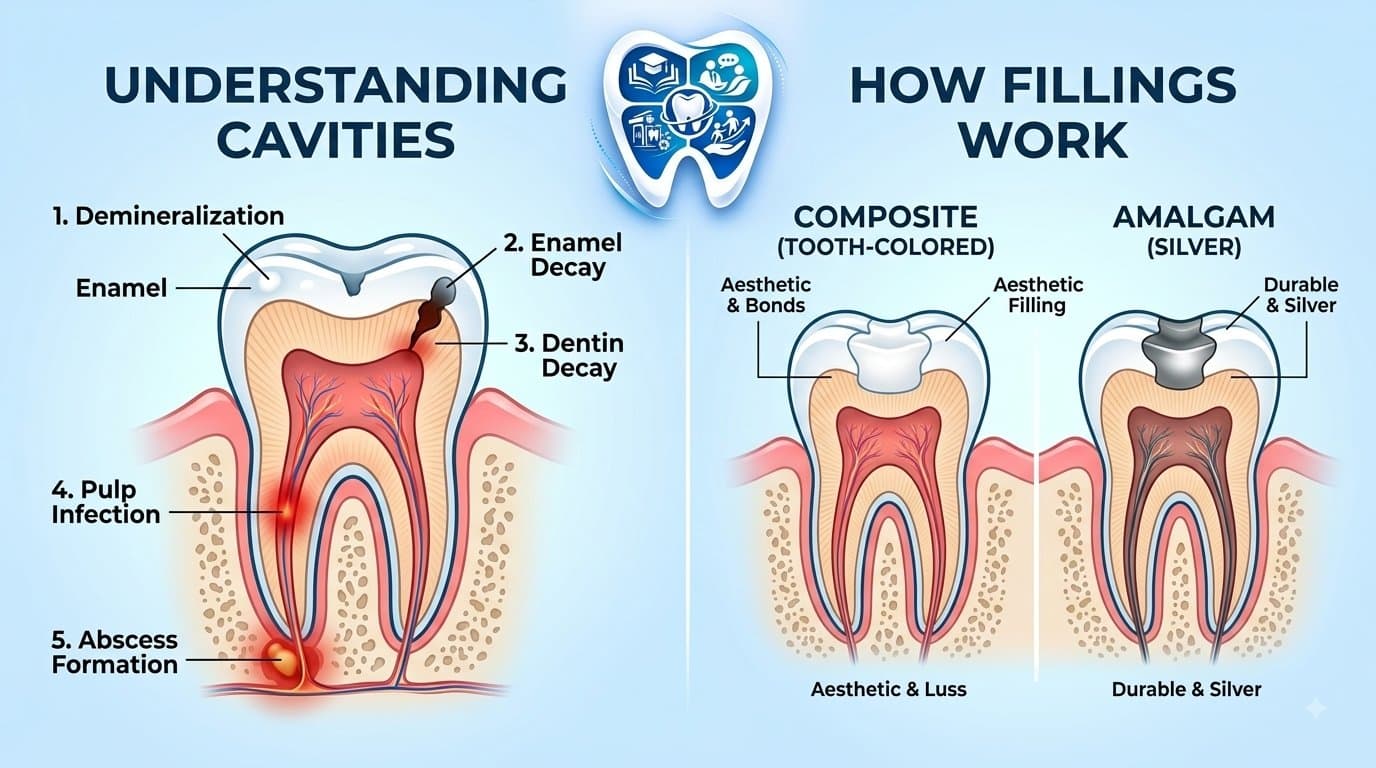
Learn how tooth decay progresses through 5 distinct stages and discover how modern dental restorations—composite vs. amalgam fillings—protect your teeth.
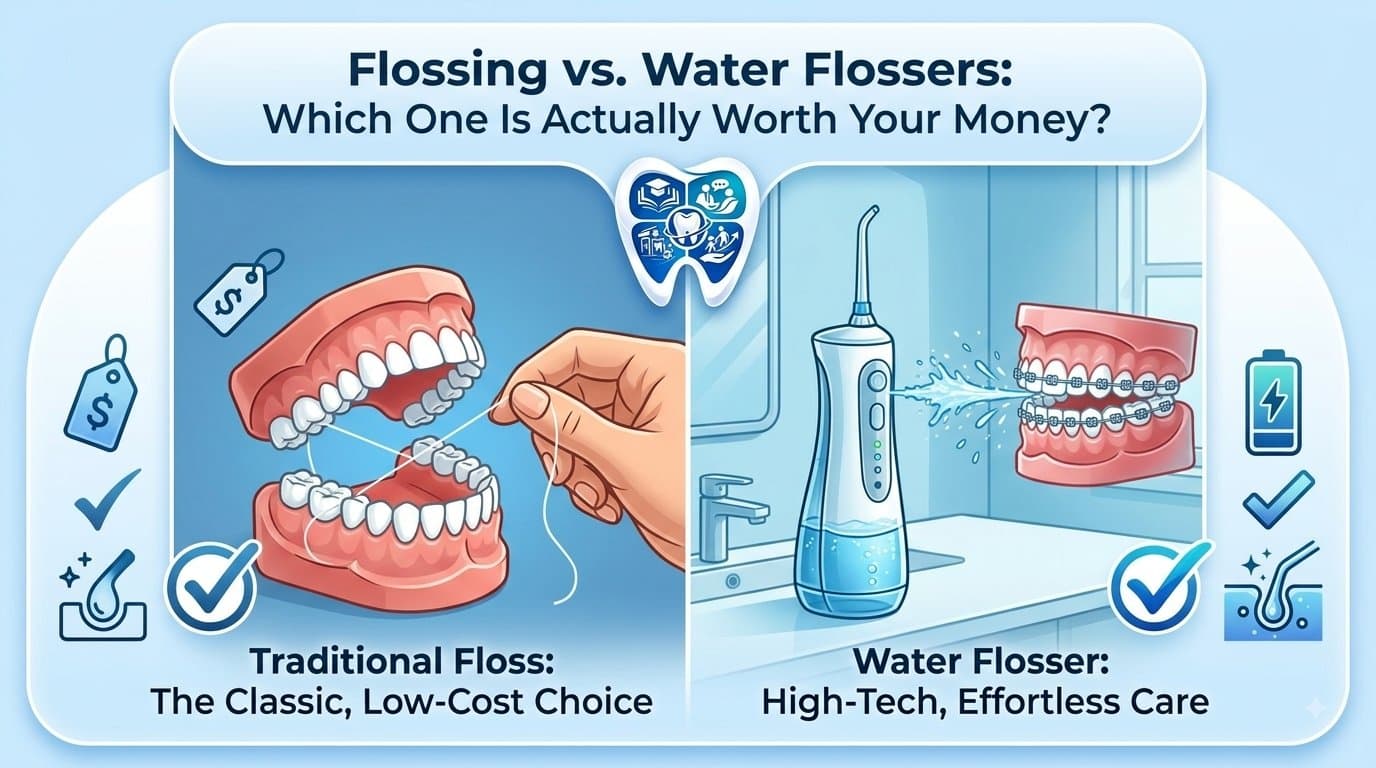
Compare string floss vs. water flossers on cleaning efficiency, ease of use, cost, and ideal dental profiles to find out which tool fits your oral care routine best.
Feeling nervous about your next dentist visit? Discover actionable breathing techniques, communication tips, and practical steps to ease dental anxiety before you step into the clinic.
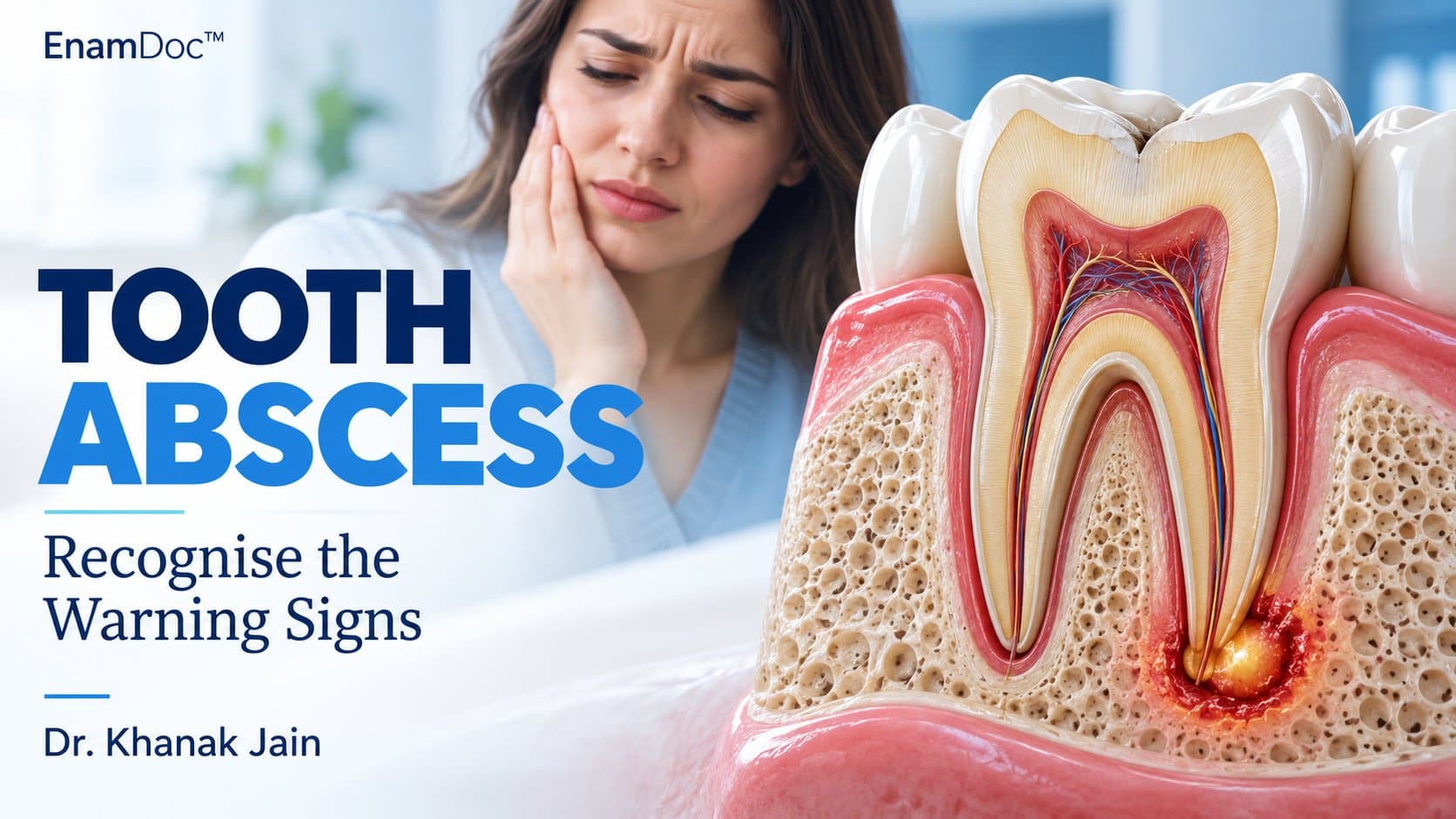
An abscess is the one dental problem that can become genuinely dangerous. Knowing which symptoms mean hospital rather than clinic is worth five minutes.
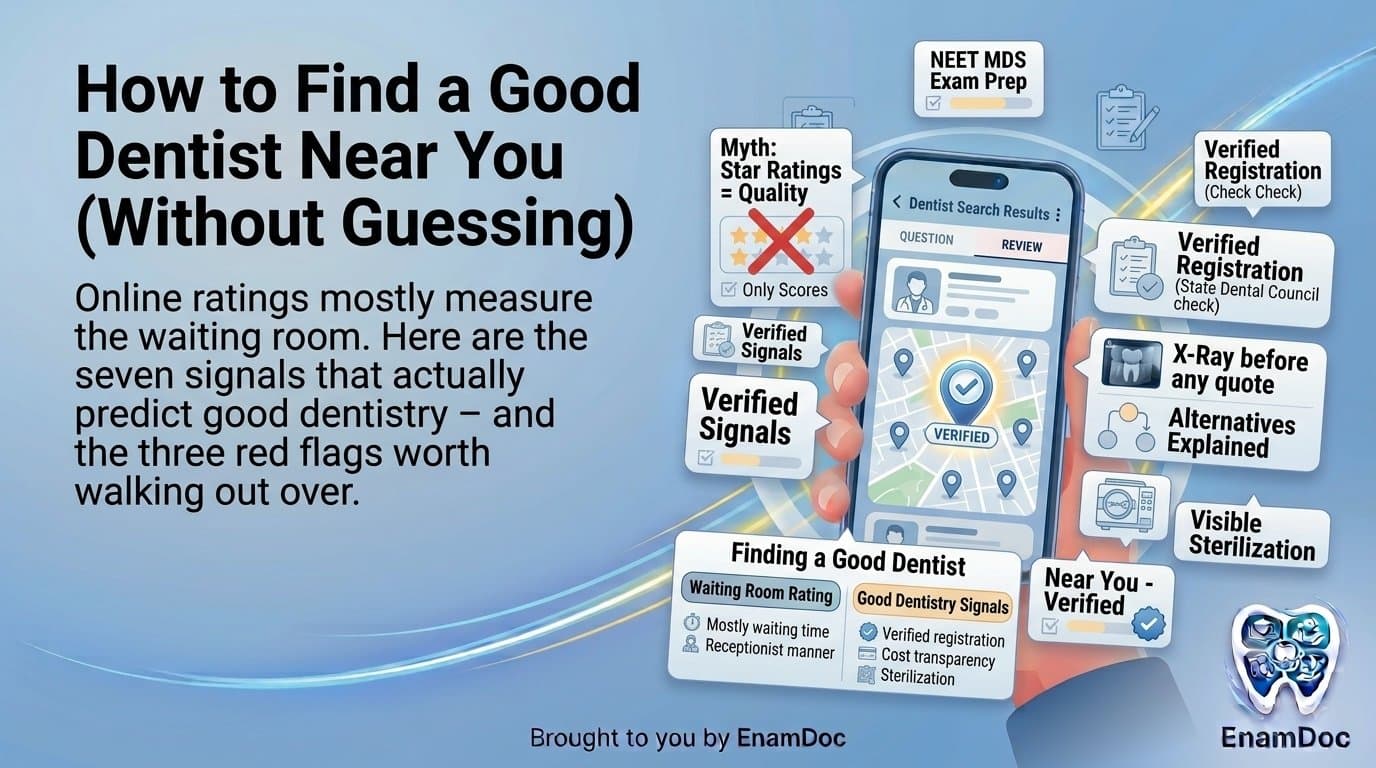
Online ratings mostly measure the waiting room. Here are the seven signals that actually predict good dentistry — and the three red flags worth walking out over.