How Diabetes Affects Your Teeth and Gums (And Vice Versa)
Discover the critical two-way relationship between blood sugar control and periodontal disease, plus what diabetic patients must know about dental extractions and healing.
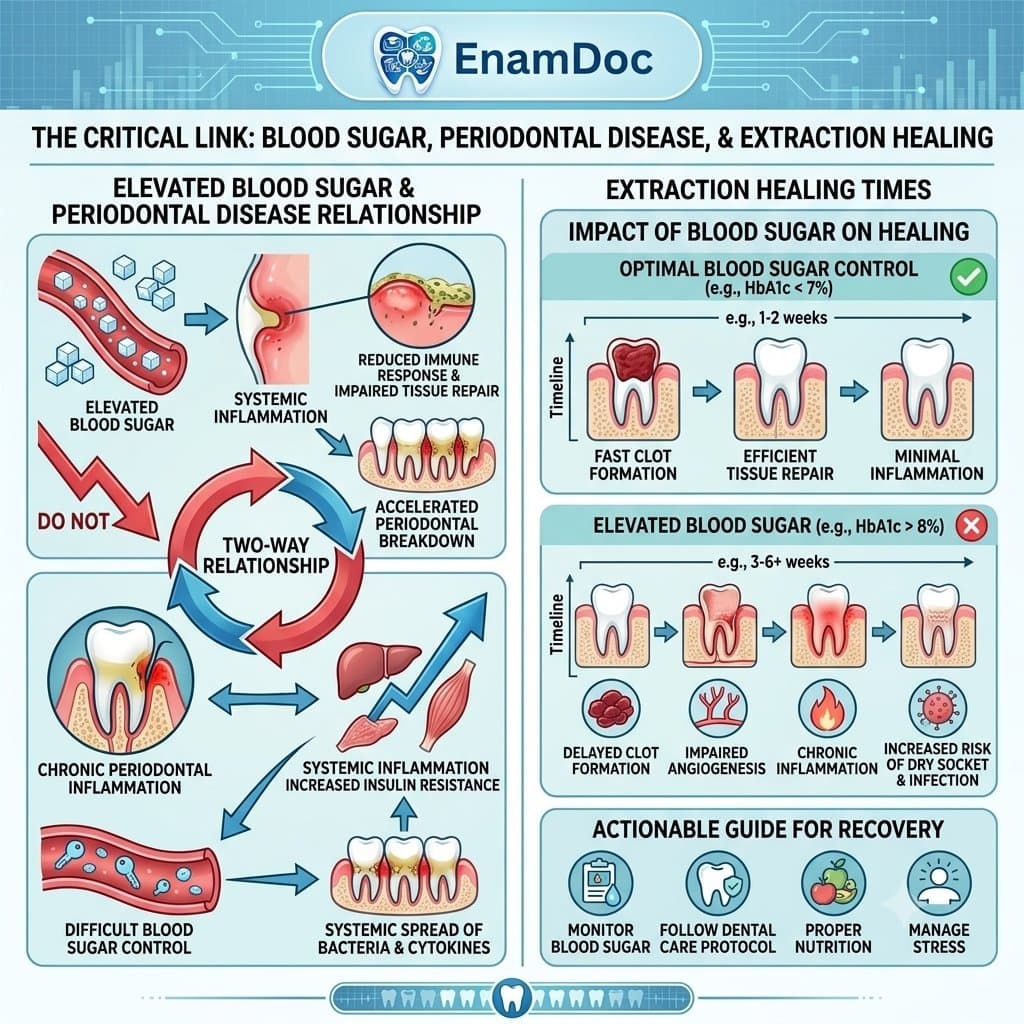
Diabetes and oral health share a profound, biologically interconnected relationship. Many patients view diabetes purely as a metabolic condition managed by endocrinologists, while regarding gum disease as an isolated dental concern. In reality, modern medicine recognizes periodontal disease as the sixth primary complication of diabetes.
This biological connection is not a one-way street: poorly regulated blood glucose levels directly damage gum tissue, while chronic oral infections actively make blood sugar harder to stabilize. Understanding this bidirectional link is vital for safeguarding both your smile and your systemic metabolic health.
The Two-Way Link: How Diabetes and Gum Disease Feed Each Other
1. How High Blood Sugar Compromises Your Gums
When glucose levels remain elevated in the bloodstream, the oral environment undergoes distinct biological shifts:
- Elevated Salivary Glucose: Higher sugar levels in saliva nourish pathogenic oral bacteria, accelerating plaque formation and tartar accumulation.
- Impaired Immune Response: Hyperglycemia weakens white blood cells (neutrophils), diminishing your body's primary defense against subgingival bacterial infections.
- Microvascular Damage: Chronic high blood sugar thickens capillary walls, restricting blood flow and reducing the delivery of oxygen and vital nutrients to periodontal tissues.
- Xerostomia (Dry Mouth): Reduced salivary flow eliminates the natural cleansing and buffering capacity of saliva, increasing the risk of rampant root caries, fungal thrush (candidiasis), and gingivitis.
2. How Severe Gum Disease Drives Blood Sugar Spikes
Periodontitis is a chronic, low-grade inflammatory infection. When bacteria thrive within deep gum pockets, inflammatory mediators (such as TNF-alpha and IL-6) enter the systemic bloodstream. These inflammatory cytokines interfere with cellular insulin receptors, worsening insulin resistance and causing systemic HbA1c levels to climb.
Treating periodontal disease with scaling, root planing, and routine maintenance has been clinically demonstrated to reduce HbA1c levels by 0.3% to 0.4%—a reduction comparable to adding an adjunct diabetes medication.
Dental Extractions, Surgery, and Healing in Diabetic Patients
Undergoing a dental procedure such as a tooth extraction, crown lengthening, or implant placement requires tailored clinical care when managing diabetes:
| Clinical Factor | Well-Controlled Diabetes (HbA1c < 7%) | Uncontrolled Diabetes (HbA1c > 8%) |
|---|---|---|
| Post-Extraction Healing | Normal cellular turnover and rapid socket closure. | Delayed collagen synthesis, leading to prolonged socket healing. |
| Infection Risk | Standard risk profile; managed with routine hygiene. | Elevated risk of post-operative dry socket (alveolitis) and bacterial infection. |
| Procedure Feasibility | Safe for routine and complex elective oral surgical procedures. | Elective surgeries are deferred until glycemic control is stabilized in coordination with a physician. |
Essential Oral Care Guidelines for Diabetic Patients
To break the cycle of infection and high blood sugar, maintain a proactive preventative regimen:
- Disclose Your Numbers: Always inform your dental team of your recent fasting blood glucose and HbA1c values, as well as your current medication regimen.
- Schedule Morning Appointments: Morning visits are typically ideal because endogenous cortisol levels are higher and post-breakfast blood glucose is most stable, minimizing hypoglycemia risks.
- Shift to a 3–4 Month Hygiene Recall: Patients with diabetes benefit from shorter periodontal recall intervals rather than standard 6-month visits to keep subgingival biofilm suppressed.
- Maintain Interdental Hygiene: Daily flossing or water flossing removes subgingival colonies before they trigger inflammatory cytokines.
A Coordinated Approach to Whole-Body Health
Managing diabetes goes beyond counting carbohydrates and monitoring daily insulin—it requires maintaining a healthy, infection-free oral foundation. By controlling oral biofilm and eliminating chronic gum inflammation, you actively support glycemic stability and long-term systemic wellness.
Frequently asked
Frequently asked questions
Why does periodontal disease make blood sugar harder to control?
Chronic bacterial infections in the gums release inflammatory cytokines into the bloodstream. These chemicals disrupt normal insulin signaling, increasing insulin resistance and causing blood glucose levels to rise.
Can a person with diabetes safely get a tooth pulled?
Yes, especially if blood sugar is well managed (typically HbA1c under 7–8%). For uncontrolled diabetes, dentists often coordinate with the patient's physician to stabilize glucose levels before elective procedures to avoid delayed healing or infection.
- diabetes and oral health
- periodontal disease
- gum disease
- blood sugar
- dental extractions
- wound healing
- preventative dentistry
Keep reading