What Is Periodontitis? Stages, Symptoms, and How Dentists Treat It
Periodontitis silently destroys the bone around your teeth. Learn the four stages, warning signs, and treatments — from scaling to surgery — that can stop it.
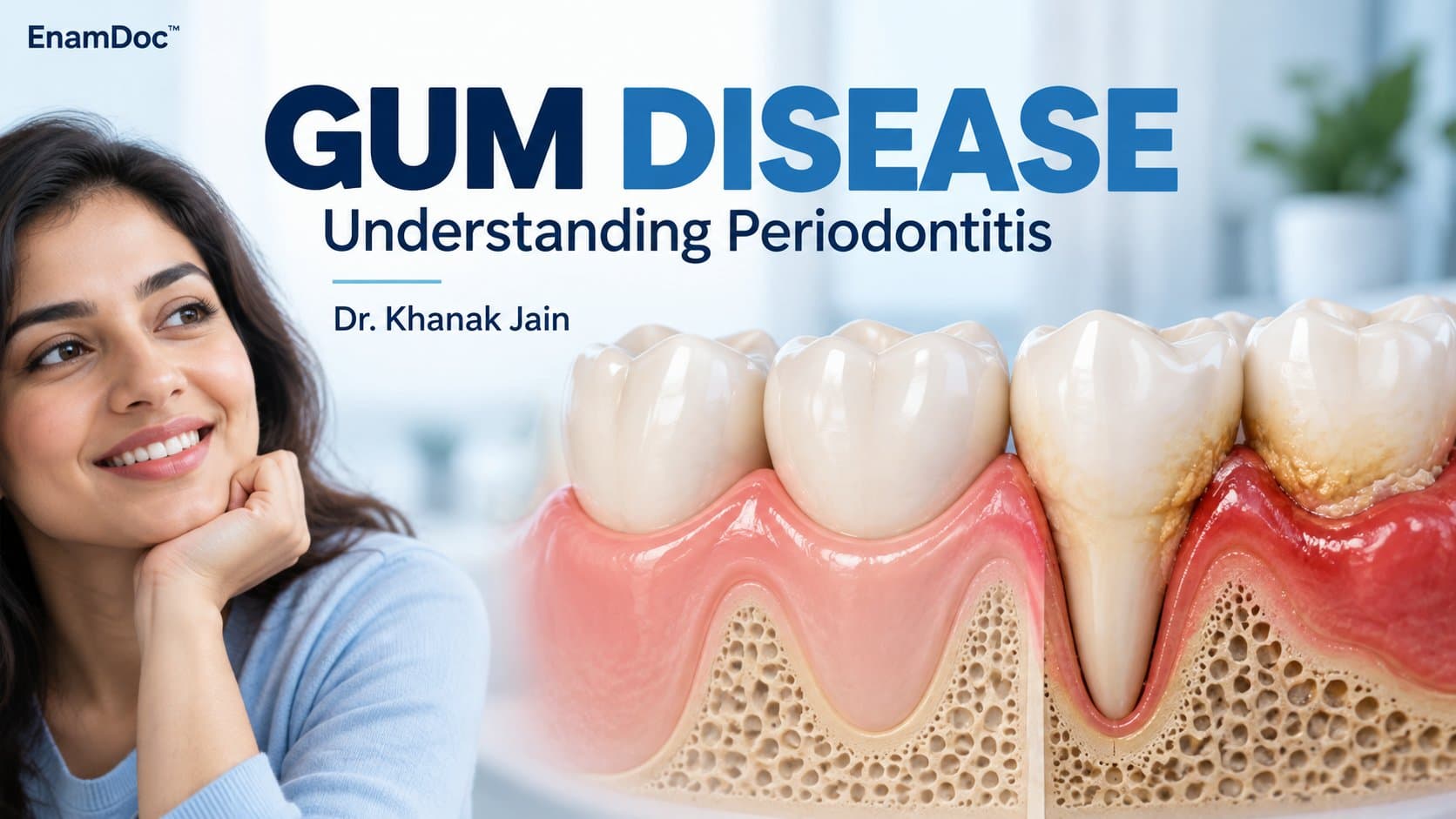
Periodontitis is not just gum disease. It is gum disease that has progressed past the point of simple inflammation and begun destroying the bone and connective tissue that hold your teeth in place. Understanding the stages, the symptoms, and the treatment options is essential for anyone who wants to keep their natural teeth long term.
Gingivitis vs. Periodontitis: What Is the Difference?
Gingivitis is the early, reversible stage of gum disease: the gums are inflamed, may bleed on brushing, and are red rather than the healthy coral pink. At this stage, no bone loss has occurred and the condition is fully reversible with improved oral hygiene and professional cleaning.
Periodontitis is what happens when gingivitis is left untreated. Bacterial toxins trigger an immune response that begins to break down the alveolar bone (the bone housing the tooth roots) and the periodontal ligament. Once bone is lost, it does not regrow on its own. This is why early detection is critical.
The Four Stages of Periodontitis
The 2018 classification system describes periodontitis in four stages of increasing severity:
Stage I — Mild Periodontitis
Pocket depths of 4 mm or less, minimal bone loss (less than 15% of root length), and no tooth mobility. Patients may notice bleeding gums but often have no pain.
Stage II — Moderate Periodontitis
Pocket depths of 5–6 mm, bone loss of 15–33%, and some horizontal bone loss visible on X-ray. The disease is progressing but teeth remain stable.
Stage III — Severe Periodontitis with Potential for Tooth Loss
Pockets deeper than 6 mm, bone loss greater than 33%, and the patient may notice loose teeth, tooth migration, or teeth shifting position. This stage significantly increases the risk of tooth loss without prompt treatment.
Stage IV — Severe Periodontitis with Complexity Due to Masticatory Dysfunction
Advanced bone loss, multiple missing teeth, significant mobility, and altered bite function. Comprehensive rehabilitation may be required.
Signs and Symptoms
Periodontitis is often described as a "silent" disease because it is typically painless until advanced stages. Key signs include:
- Bleeding gums, particularly during brushing or flossing
- Gum recession (teeth appearing longer than before)
- Persistent bad breath not responsive to brushing
- Loose teeth or teeth that shift position
- Gaps forming between teeth
- Deep pockets between teeth and gums, visible on probing
- Pus between teeth and gums
Many patients do not notice symptoms until the disease has reached Stage III. This is why routine dental check-ups — during which the dentist measures pocket depths with a probe — are the most reliable way to detect periodontitis early.
Risk Factors
Smoking is the single most significant risk factor for periodontitis — it impairs the gum's ability to fight infection and masks bleeding, meaning the disease often presents at a more advanced stage in smokers. Uncontrolled diabetes, stress, certain medications that reduce saliva flow, and a family history of periodontal disease also increase susceptibility.
How Dentists Diagnose Periodontitis
Diagnosis involves a full periodontal assessment: pocket depth measurement at six sites per tooth using a blunt probe (a healthy sulcus is 1–3 mm deep), assessment for bleeding on probing, gum recession measurement, tooth mobility grading, and radiographic bone level assessment. Full-mouth periapical X-rays or an OPG provide the best view of bone loss patterns.
Treatment Options
Non-Surgical Periodontal Treatment
The first-line treatment for Stages I–III periodontitis is scaling and root planing (SRP) — a thorough cleaning of the root surfaces beneath the gum line to remove calculus and bacterial biofilm from pocket walls. This is carried out under local anaesthesia and typically over two appointments covering different sections of the mouth. Studies show SRP achieves pocket reduction of 1–2 mm and significant improvements in clinical attachment level, halting disease progression in the majority of patients.
Adjunctive Antibiotics
In some cases, locally delivered antibiotics (antibiotic gels placed directly into pockets) or systemic antibiotics (such as metronidazole and amoxicillin) are prescribed alongside SRP for aggressive or refractory periodontitis.
Surgical Treatment
When pockets remain deeper than 5–6 mm after non-surgical treatment, surgical options including osseous surgery (reshaping the bone), guided tissue regeneration (using membranes to encourage bone regrowth), or bone grafting may be recommended. These are typically carried out by a periodontist — a dental specialist in gum disease.
Supportive Periodontal Therapy
Periodontitis is a chronic condition. Even after successful treatment, regular maintenance appointments (typically every three to four months in the first year, then every six months if stable) are essential to prevent recurrence. These appointments involve re-probing, removal of new deposits, and reinforcement of home care.
When to See a Dentist
If you notice bleeding gums, receding gums, or any looseness in your teeth, see a dentist promptly. A routine check-up with pocket depth measurement will detect periodontitis before it becomes visible to you. Stage I and Stage II periodontitis are highly manageable with professional treatment and improved home care. Stage III and IV require more intensive intervention, but stabilisation is still achievable in most patients.
Healthy gums are the foundation of a healthy dentition. Early assessment, regular maintenance, and evidence-based treatment give the best chance of keeping your natural teeth for life.
Frequently asked
Frequently asked questions
Can periodontitis be reversed?
Gingivitis — the early stage before bone loss occurs — is fully reversible with professional cleaning and improved oral hygiene. Periodontitis itself cannot be reversed because lost bone does not naturally regrow. However, with proper treatment, the disease can be successfully arrested and maintained in a stable state, preventing further deterioration.
How long does periodontal treatment take?
Non-surgical scaling and root planing is typically completed over two to four appointments, usually within four to six weeks. After treatment, a re-assessment is done at six to eight weeks. Patients with more advanced disease requiring surgical treatment should expect additional appointments with a specialist. Maintenance appointments then continue for life, initially at three-month intervals.
Is periodontitis linked to other health conditions?
Yes. Research consistently links periodontitis to systemic conditions including type 2 diabetes (the relationship is bidirectional — each worsens the other), cardiovascular disease, preterm birth, and respiratory infection. The inflammatory burden of untreated gum disease is thought to contribute to systemic inflammation. Treating periodontitis has been shown to improve glycaemic control in diabetic patients.
- periodontitisgumdiseasegumrecessionbonelossdentalscalingrootplaningperiodontaltreatment
Keep reading