Why Do Gums Bleed When Brushing? Causes, Warning Signs, and What to Do
Noticing blood on your toothbrush is common but not normal. Find out why gums bleed, when it signals something serious, and what steps actually stop the bleeding.
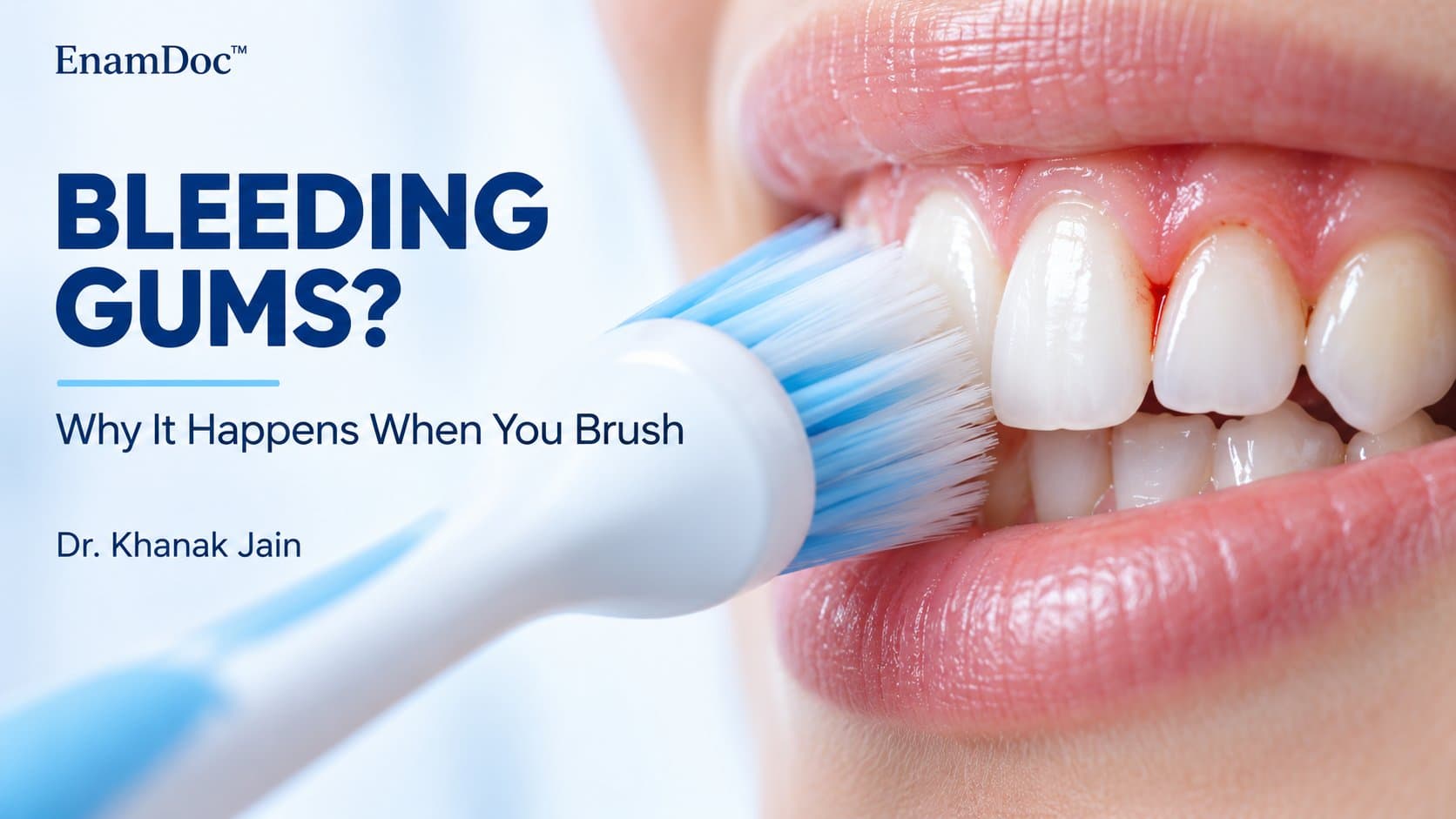
Noticing a pink tinge on your toothbrush or in the sink after brushing is easy to dismiss. But healthy gums do not bleed. When yours do, something is asking for attention — and understanding what that is can make a real difference to both your oral health and overall wellbeing.
The Most Common Cause: Gingivitis
In most cases, bleeding gums point to gingivitis — the early, reversible stage of gum disease. Gingivitis develops when plaque accumulates along the gumline and triggers an inflammatory response. The gum tissue becomes red, swollen, and sensitive, bleeding easily when touched by a toothbrush or floss.
The good news: gingivitis responds well to improved oral hygiene. Consistent brushing and flossing for two to three weeks noticeably reduces or eliminates bleeding. The bad news: most people avoid the areas that bleed, which allows the inflammation to worsen.
Other Reasons Gums Bleed
Several other factors can cause or contribute to gum bleeding:
- Brushing too hard. Using a stiff-bristle brush or scrubbing aggressively damages gum tissue. Pressure does not clean better — gentle technique does.
- A new flossing habit. If you have recently started flossing after a long break, your gums may bleed for the first few days. This typically settles within a week.
- Vitamin C or K deficiency. Both vitamins play a role in tissue health and blood clotting. A deficiency makes gums more prone to bleeding.
- Blood-thinning medications. Aspirin, warfarin, and similar medications reduce clotting efficiency. Gum bleeding may appear with even mild irritation.
- Pregnancy gingivitis. Hormonal changes during pregnancy increase gum sensitivity. Bleeding during pregnancy is common but still worth discussing with your dentist.
- Diabetes. People with poorly managed blood sugar are significantly more susceptible to gum disease. If you have diabetes and notice persistent bleeding, your oral and systemic health are directly connected.
- Ill-fitting dental appliances. Braces, dentures, or retainers that do not fit correctly can irritate gum tissue mechanically.
Warning Signs That Require Attention
Occasional mild bleeding that clears up with better hygiene is usually manageable. These signs suggest something more serious:
- Bleeding that continues despite consistent brushing and flossing for several weeks
- Gums that have pulled back from the teeth (gum recession)
- Persistent bad breath that does not improve with brushing
- Teeth that feel loose or have shifted
- Pus visible around a tooth or gumline
- Swelling or deep redness in one specific area
These symptoms may indicate periodontitis — advanced gum disease affecting the bone supporting your teeth. Unlike gingivitis, periodontitis causes irreversible bone loss and requires professional intervention to halt.
What You Can Do at Home
- Switch to a soft-bristle toothbrush. Medium and hard bristles provide no additional cleaning benefit and cause more damage.
- Brush for two minutes, twice daily using gentle, short strokes angled toward the gumline.
- Floss once a day. Curve the floss around each tooth and guide it gently just beneath the gumline. Do not skip the areas that bleed — those need it most.
- Use an antibacterial mouthwash to reduce bacterial load in areas the brush misses.
- Eat a balanced diet including leafy greens and citrus to support vitamin C and K levels.
- Avoid smoking. Tobacco constricts blood vessels and masks gum bleeding — it does not mean healthier gums. Smokers carry significantly higher risk of advanced gum disease.
When to See a Dentist
If your gums still bleed after two to three weeks of improved home care, a professional cleaning is overdue. A dentist can remove hardened tartar that no toothbrush can touch, and assess whether the problem has progressed beyond gingivitis.
Through EnamDoc, patients can book verified dentists online, share digital health records ahead of visits, and ensure their dentist has the full clinical picture before treatment begins — especially helpful for patients on blood-thinning medications or managing diabetes.
The Bottom Line
Bleeding gums are almost always a sign of inflammation — usually gingivitis triggered by plaque. Better brushing and flossing often resolves early bleeding within a few weeks, but persistent or heavy bleeding needs professional evaluation. Leaving it untreated allows gum disease to advance silently until the damage becomes significantly harder to reverse.
Frequently asked
Frequently asked questions
Is it normal for gums to bleed when you first start flossing?
Yes — if you have not flossed regularly, gums may bleed for the first few days as they adapt to the new stimulation. This usually stops within a week once inflammation reduces. If bleeding continues beyond 7–10 days of consistent daily flossing, it is worth visiting a dentist to rule out gingivitis.
Can bleeding gums heal on their own without treatment?
Early-stage bleeding caused by gingivitis often improves significantly with better brushing and flossing within two to three weeks. However, if the underlying cause is hardened tartar buildup, advanced periodontitis, or a systemic issue such as diabetes or vitamin deficiency, professional treatment is needed. Self-improvement alone cannot treat what has progressed to bone loss.
Should I stop brushing the areas where my gums bleed?
No — and this is a common mistake. The areas that bleed need more attention, not less. Avoiding them allows plaque to accumulate further, worsening the inflammation. Brush those spots gently but thoroughly. The bleeding typically reduces as inflammation resolves over one to two weeks of consistent cleaning.
- bleeding gums
- gingivitis
- gum health
- oral hygiene
- gum disease
Keep reading