What Causes Bad Breath and How to Fix It at the Source
Bad breath is rarely about what you ate. Learn the real causes of halitosis — tongue bacteria, gum disease, dry mouth — and the dentist-backed fixes that work.
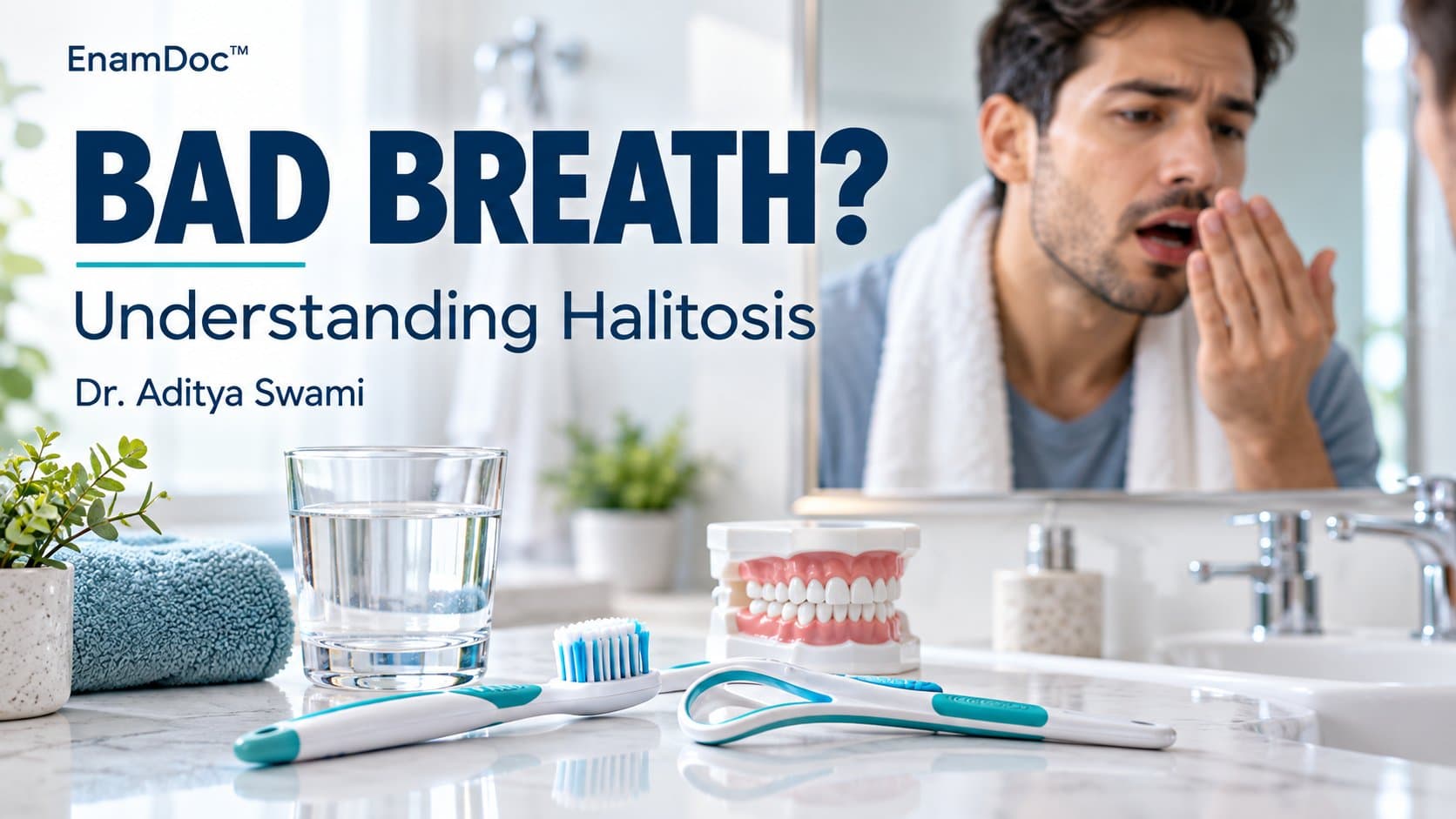
Bad breath — or halitosis — affects roughly one in four people. For most, the cause is not what they ate at lunch. Persistent bad breath usually has an identifiable source, and identifying it is the first step to fixing it.
What Actually Causes Bad Breath?
The vast majority of halitosis originates in the mouth. Bacteria that live on the tongue, in gum pockets, and between teeth break down proteins and release volatile sulphur compounds (VSCs) — the gases responsible for the characteristic unpleasant smell.
The Tongue
The dorsal surface of the tongue is the single largest reservoir of odour-causing bacteria in the mouth. The rough, porous texture of the tongue provides an ideal environment for anaerobic bacteria to thrive. Cleaning the tongue is one of the most effective interventions for halitosis, yet it is the most commonly overlooked step in oral hygiene routines.
Gum Disease
Gingivitis and periodontitis create deep pockets between the teeth and gums where anaerobic bacteria flourish and produce VSCs. Gum disease-related bad breath tends to be more persistent and is resistant to mouthwash alone. If you notice bleeding gums alongside bad breath, a dental assessment is essential.
Dry Mouth (Xerostomia)
Saliva is the mouth's natural cleansing agent. It washes away food debris, neutralises acids, and has antibacterial properties. When saliva production is reduced — whether from mouth breathing, certain medications, or dehydration — bacteria thrive and bad breath worsens. Morning breath is partly explained by the natural reduction in saliva production during sleep.
Dental Decay and Infected Teeth
A cavity or an abscess can produce a distinctly foul smell that does not respond to brushing or mouthwash. If your dentist identifies decay or infection, treating it at the source will resolve the odour.
Food and Lifestyle Factors
Garlic, onions, and spicy foods contribute compounds to the bloodstream that are then exhaled through the lungs — brushing does not remove this smell, as it does not originate in the mouth. Tobacco use and excess alcohol consumption also significantly worsen breath quality, and both are risk factors for gum disease.
Systemic Causes
In a minority of cases (roughly 10%), the cause is not oral. Acid reflux, chronic sinusitis with post-nasal drip, kidney disease, and uncontrolled diabetes can each produce distinctive breath odours. These require medical evaluation rather than dental treatment.
How Dentists Assess Halitosis
A dentist evaluating persistent bad breath will examine the gums for pocketing and bleeding, check for decay, assess the tongue and soft tissues, and ask about dry mouth, medications, and lifestyle. In some cases, a sulphide monitor (a device that measures VSC levels in expired air) is used to objectively assess severity. This takes the guesswork out of the assessment and helps track response to treatment.
Evidence-Based Treatments
Tongue Cleaning
Using a tongue scraper — or the back of a toothbrush — to clean the posterior dorsum of the tongue once daily consistently reduces VSC levels. Studies show tongue cleaning reduces halitosis more effectively than toothbrushing alone.
Twice-Daily Brushing and Interdental Cleaning
Removing interdental plaque with floss or interdental brushes removes a key source of bacterial activity. Plaque left between teeth is the primary driver of gum disease, which is itself a major cause of bad breath.
Professional Cleaning
A scale and polish removes calculus (hardened plaque) that brushing cannot remove. For patients with periodontitis, more intensive root surface debridement is needed to reduce deep bacterial reservoirs.
Chlorhexidine Mouthwash
Chlorhexidine is the most evidence-supported antibacterial rinse for halitosis. It significantly reduces VSC-producing bacteria. It is typically prescribed for short courses (one to four weeks) by a dentist, as long-term use can stain teeth. Cetylpyridinium chloride mouthwashes are a useful long-term alternative.
Staying Hydrated
Drinking adequate water throughout the day helps maintain saliva production and washes away food debris. Reducing caffeine and alcohol intake also helps, as both are diuretics that reduce saliva flow.
When to See a Dentist
See a dentist if bad breath persists despite consistent brushing, flossing, and tongue cleaning. You should also seek an assessment if you notice bleeding or swollen gums, visible decay, a bad taste in the mouth, or a smell that appears to come from the back of the throat rather than the mouth. A dentist can determine whether the cause is oral and recommend targeted treatment, or refer to a physician when a systemic cause is suspected.
Halitosis is almost always treatable once its cause is identified. The right diagnosis — and the right treatment — makes the difference between managing a symptom and resolving it entirely.
Frequently asked
Frequently asked questions
Why do I still have bad breath even though I brush my teeth twice a day?
Brushing alone does not remove bacteria from the tongue or from between the teeth, and it cannot address the deeper pockets of gum disease. Most persistent bad breath originates on the posterior tongue or in the gum line. Adding tongue cleaning, interdental cleaning, and a brief dental check-up usually identifies and resolves the cause.
Does mouthwash cure bad breath?
Mouthwash can temporarily mask bad breath and reduce bacterial count, but it does not cure persistent halitosis. Chlorhexidine mouthwash, prescribed by a dentist, significantly reduces VSC-producing bacteria, but is most effective when used alongside identifying and treating the underlying cause, whether that is gum disease, tongue bacteria, or decay.
Can bad breath be a sign of a serious health problem?
In most cases, bad breath is caused by oral bacteria and is not a sign of serious illness. However, in roughly 10% of cases, persistent halitosis has a systemic cause: acid reflux, chronic sinus infection, uncontrolled diabetes, or kidney disease can each produce characteristic breath odours. If a dentist finds no oral cause for your halitosis, they will recommend you see a physician.
- badbreathhalitosismorningbreathtonguebacteriaoralhygienegumdiseasedrymouth
Keep reading